

Healthcare projects
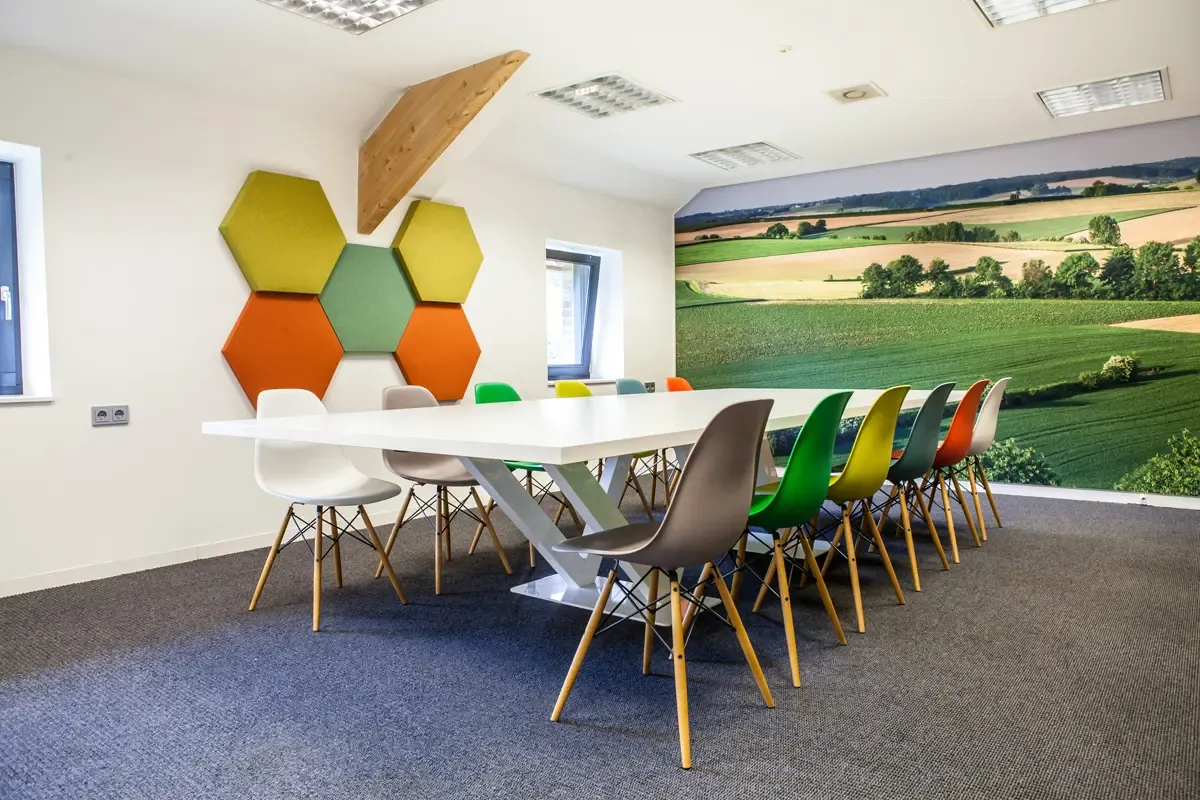
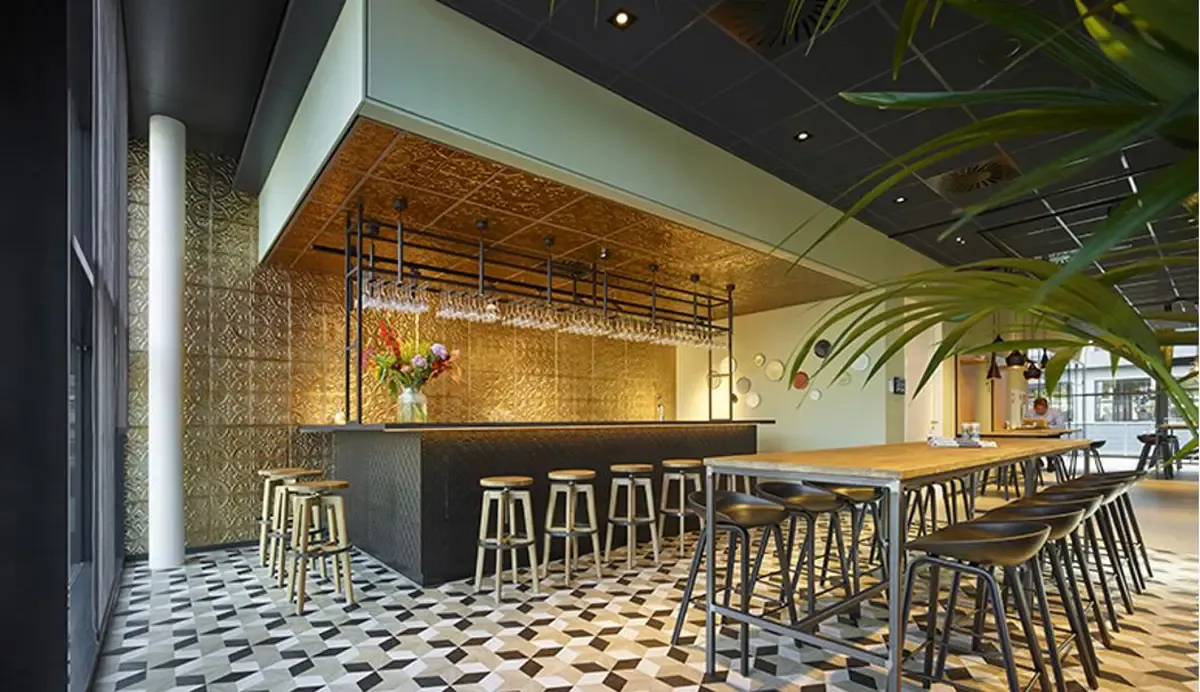
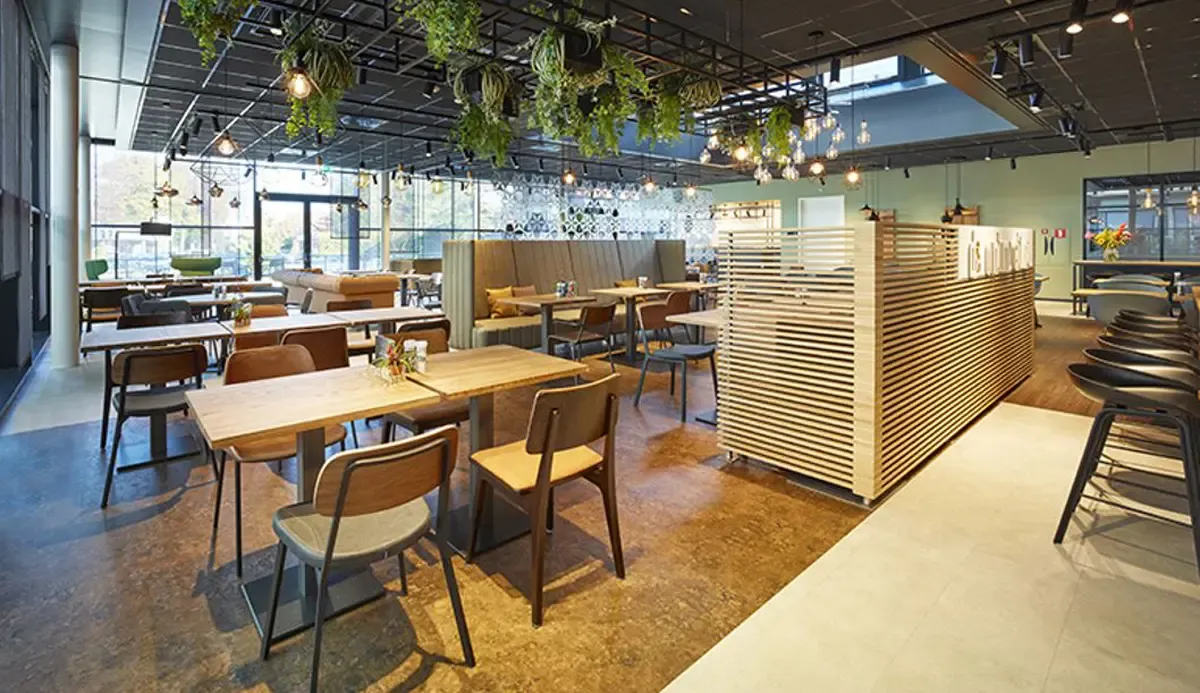
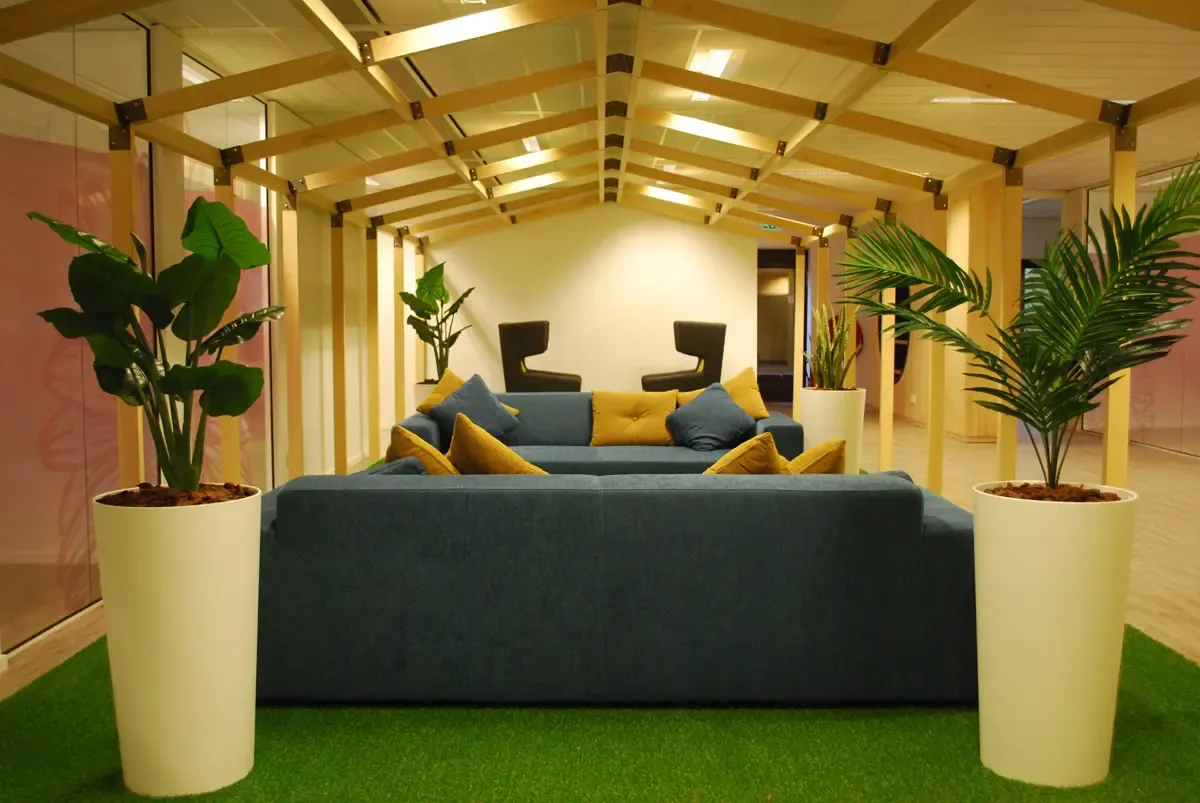
Welcome to our gallery of healthcare projects. At PGA Totaalinrichters, we create care environments where comfort, accessibility, and functionality take center stage. With more than 30 years of experience in total interior fit-out and interior design, our professional designers deliver custom solutions for hospitals, clinics, nursing homes, and other healthcare institutions. Discover in this gallery how our lighting solutions and designs contribute to healing and supportive spaces. Let yourself be inspired by our projects and see what we can mean for your healthcare institution.


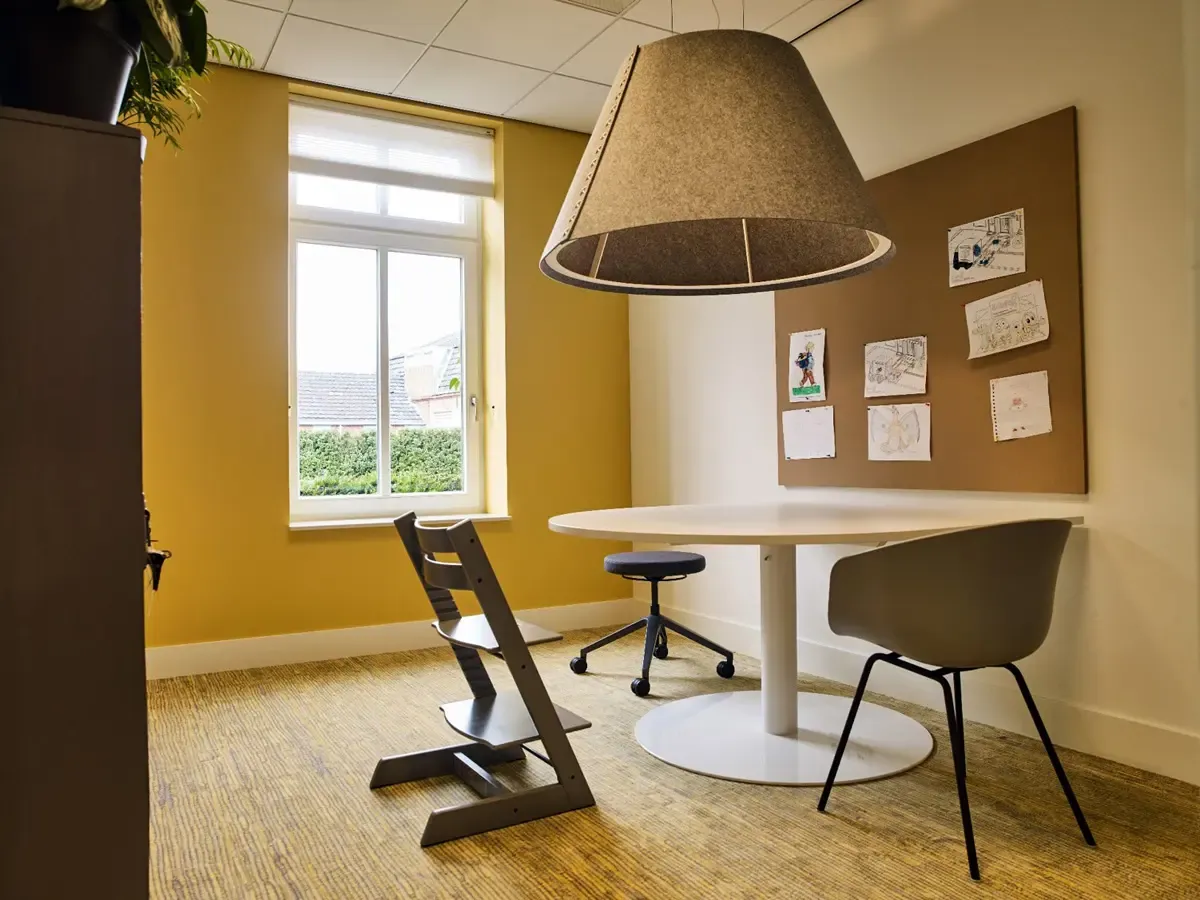
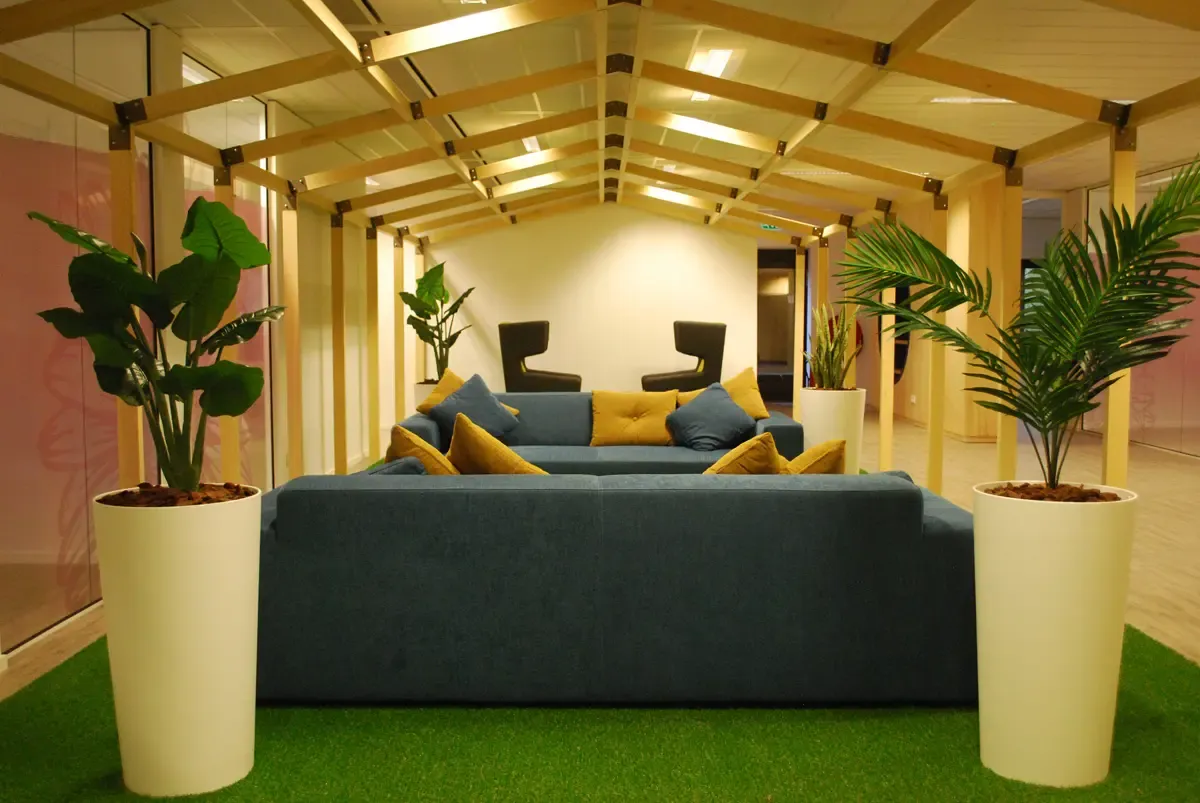
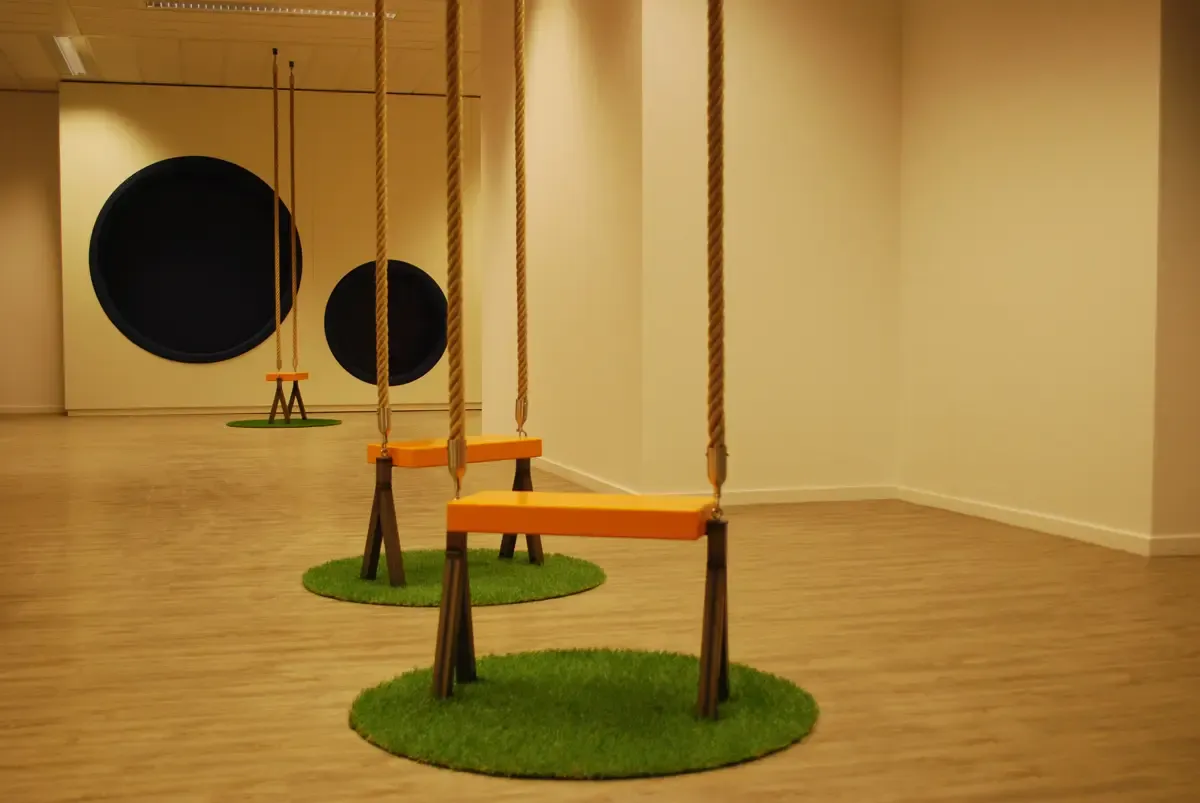
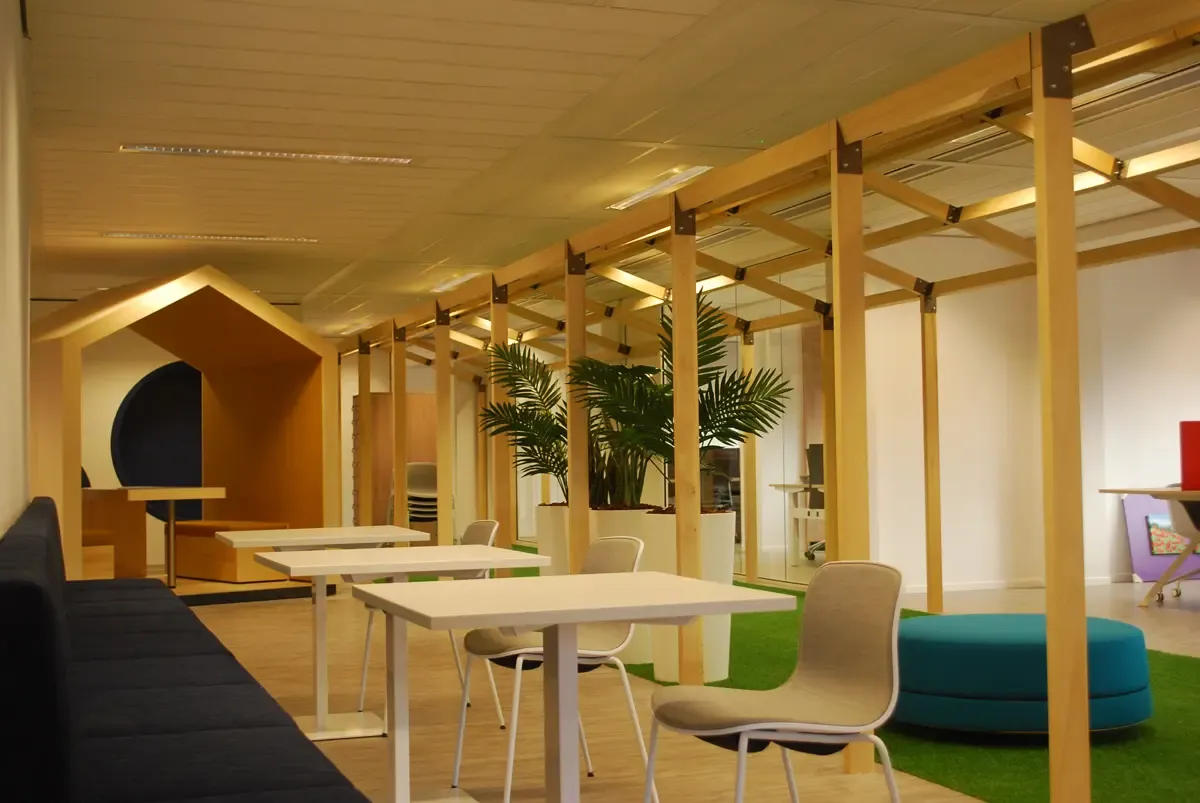






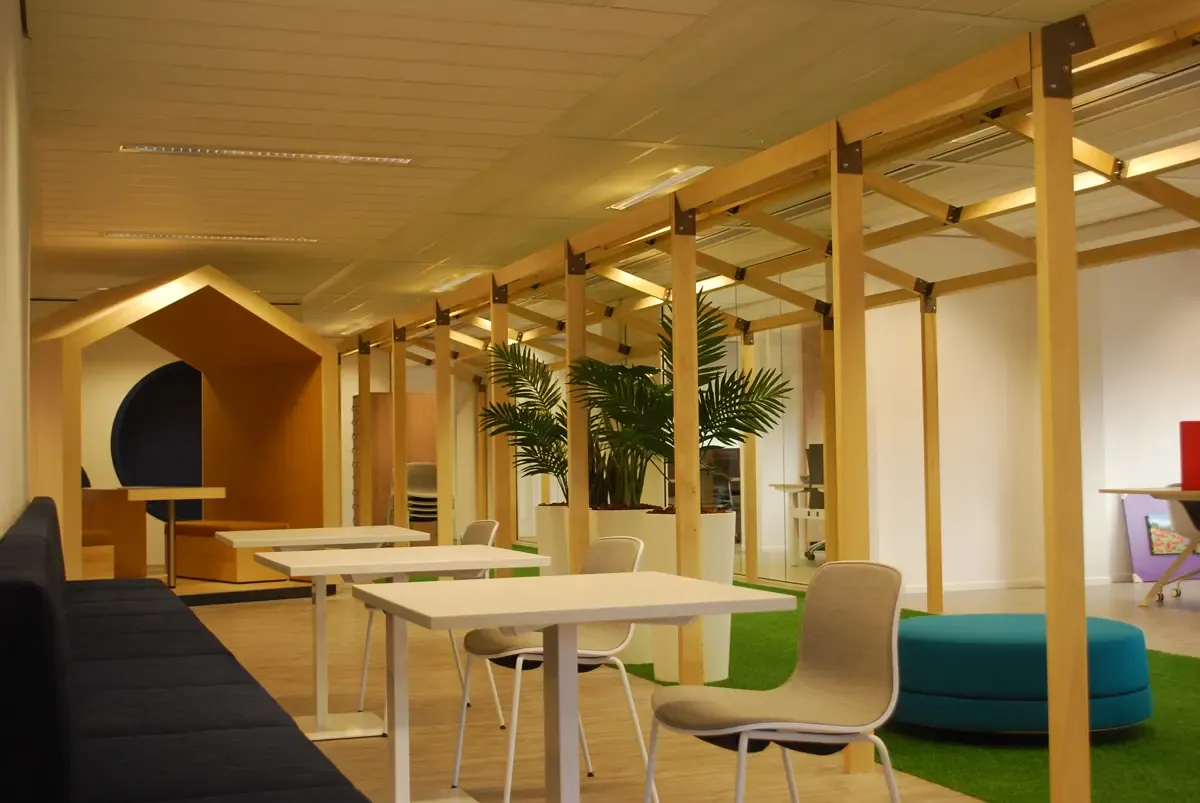


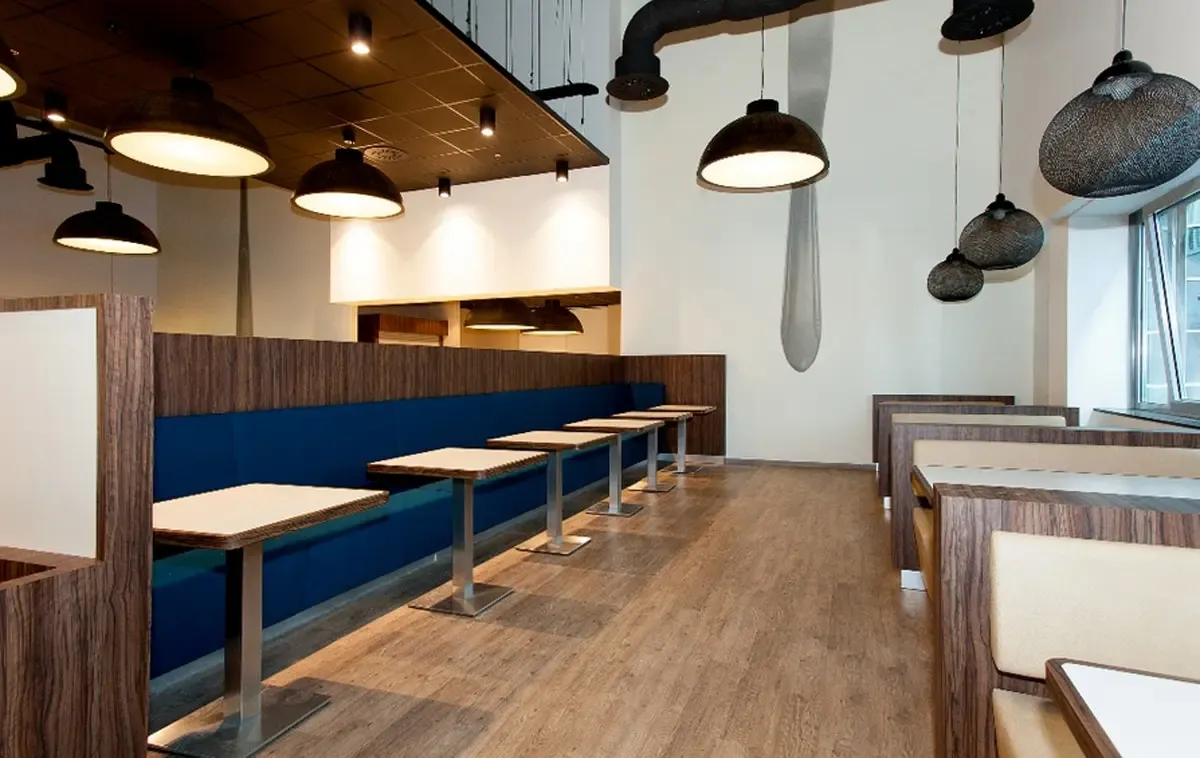
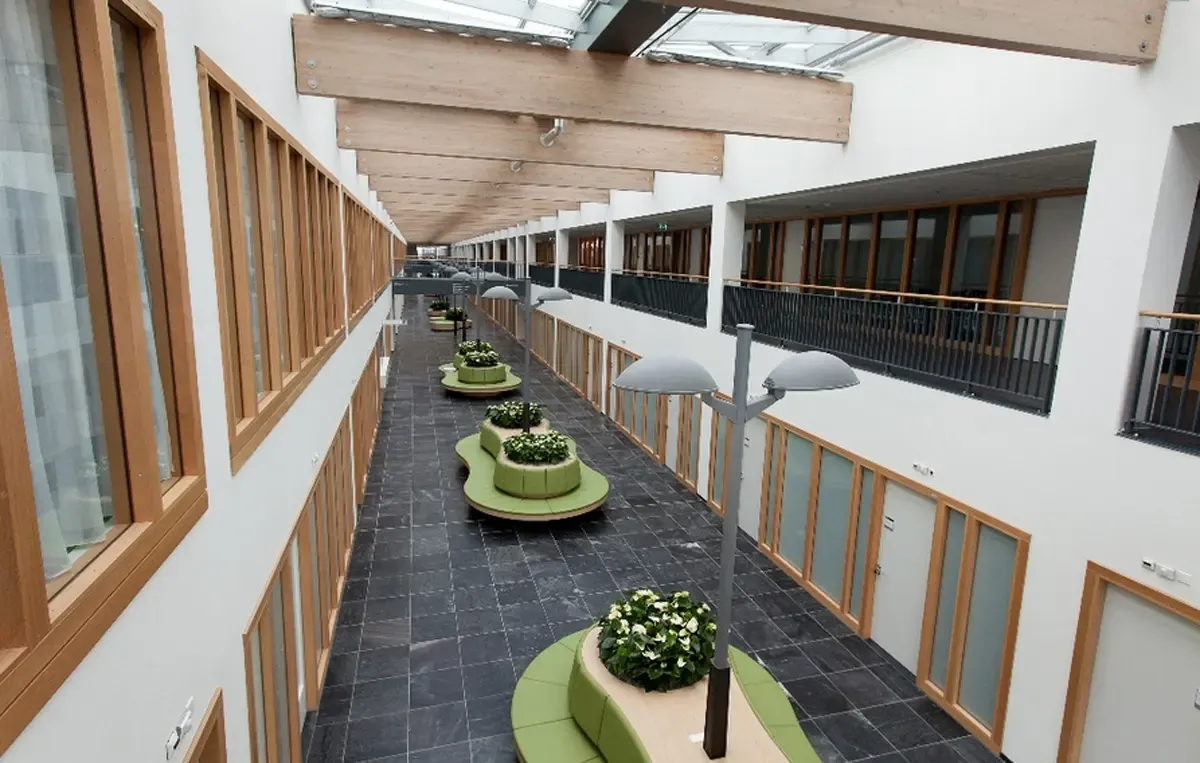


What interior trends are popular in healthcare projects?
At PGA Totaalinrichters, healthcare projects are all about creating environments that combine calm, comfort, and functionality. A well-thought-out interior supports the well-being of patients, residents, and staff and ensures that the care environment is safe, hygienic, and efficient.
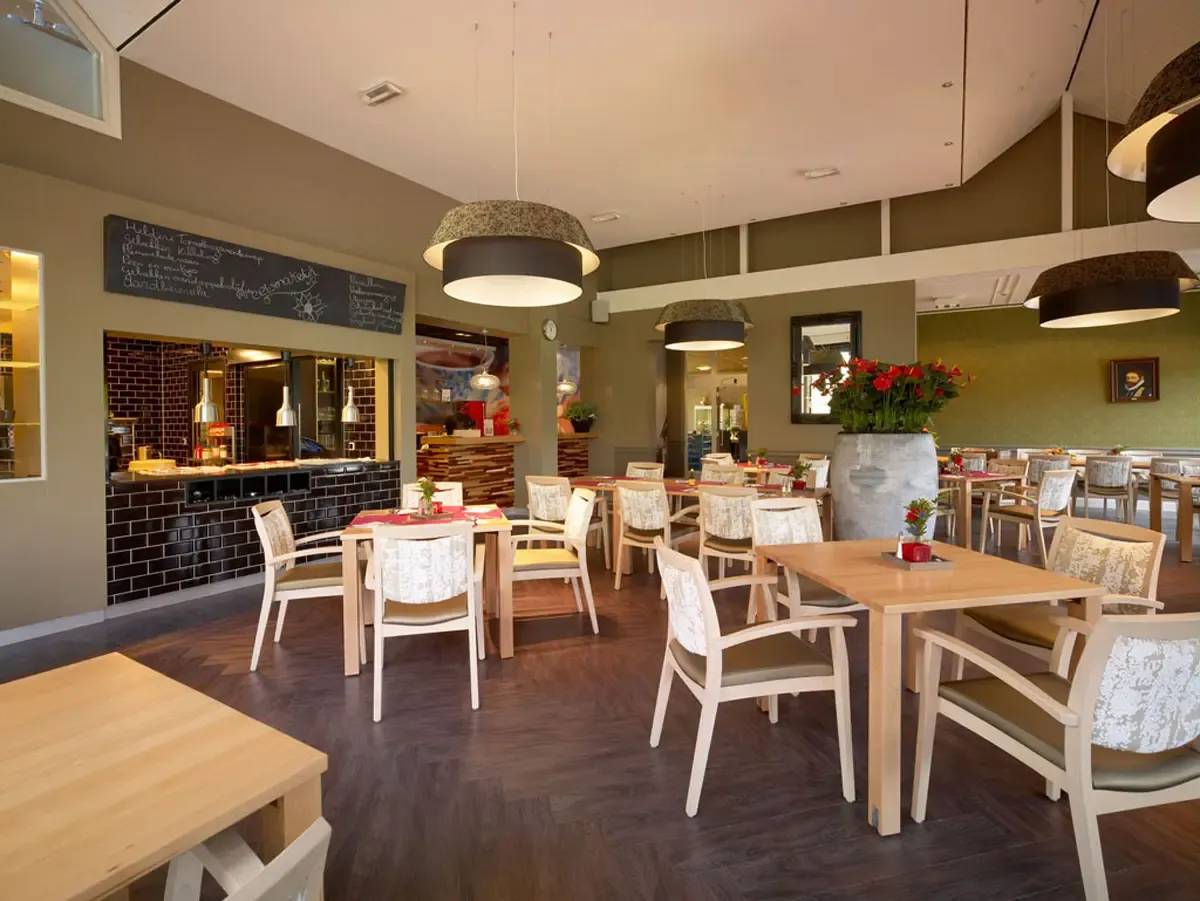
A key trend in healthcare interiors is the use of natural and warm materials. Wall panels, furniture finishes, and worktops made from high-quality materials add texture, a homely feel, and a sense of security to corridors, waiting areas, treatment rooms, and sleeping spaces. Counters and reception areas are designed in such a way that they create a professional and welcoming impression.
Ergonomics and hygiene are also central themes. In hospitals and nursing homes, the focus is on furniture that is easy to clean and meets strict hygiene requirements. Artificial leather, metal frames, and HPL edge banding with antibacterial properties ensure that furniture lasts a long time and can be used safely in heavily used spaces. In addition, we take a broad target group into account: from rehabilitation chairs and bariatric chairs to armchairs for residents with dementia.
Sustainability is also an important trend. Furniture is designed to last for a long time and to be easy to maintain. Frames are extra reinforced, seats and backrests are ergonomically shaped, and materials are hygienic and wear-resistant. By working together with healthcare professionals, we develop furniture that is both practical and comfortable, so that the interior truly contributes to the recovery and well-being of patients and residents.
In short, the most popular trends in healthcare projects combine warm, natural materials with ergonomic, hygienic, and sustainable furniture. At PGA Totaalinrichters, we ensure that every care environment is designed to be functional, safe, and aesthetically appealing, so that patients, residents, and staff feel comfortable and supported.
How do you design a healthcare facility in a functional and welcoming way?
At PGA Totaalinrichters, we believe that a healthcare facility is more than just a building: it is an environment in which residents should feel at home and seen. A functional and welcoming interior starts with combining a practical layout with a warm, inviting atmosphere. Light, color, material choices, and furniture play an important role in this, ensuring that spaces are clear, safe, and pleasant to use.
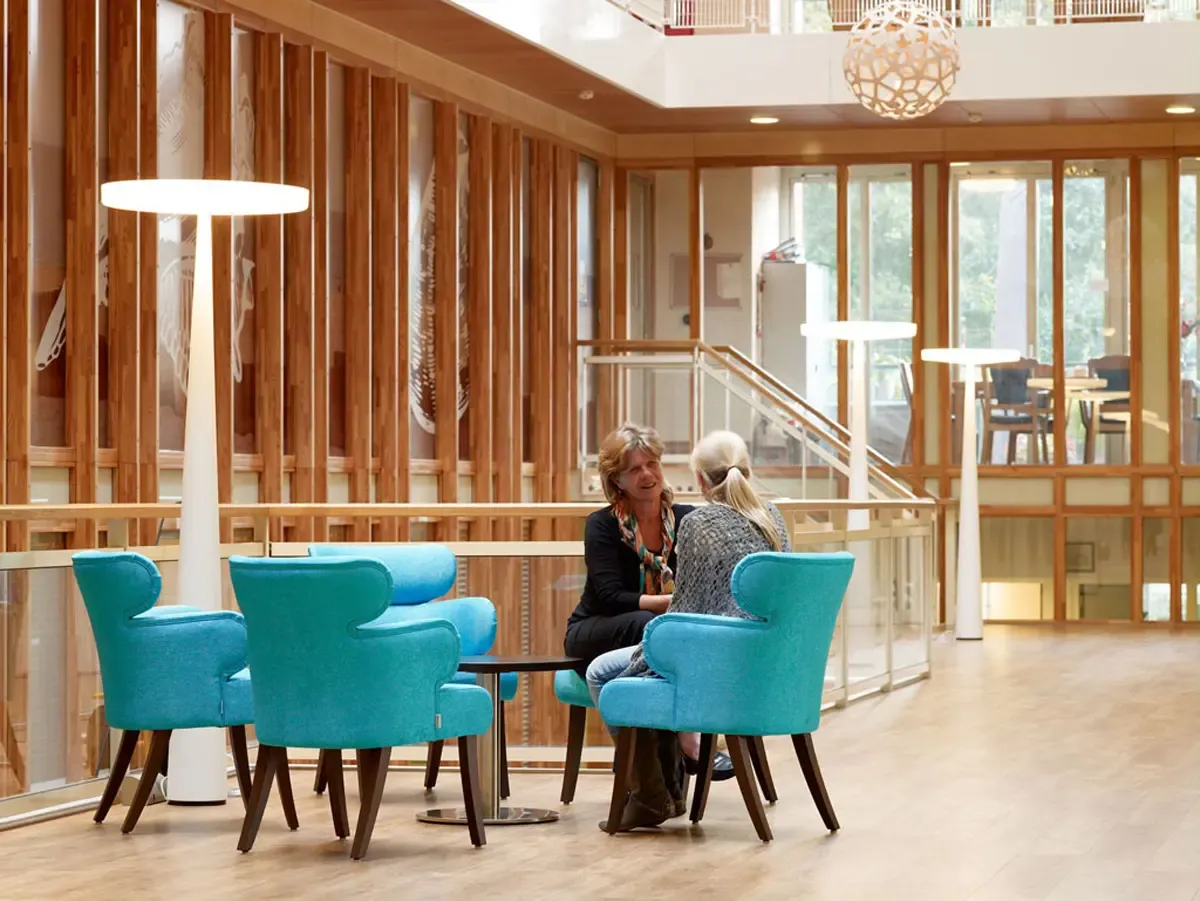
Hospitality in healthcare is all about experience and personal attention. A homely atmosphere, respect for privacy, and creating an environment where residents and visitors feel welcome form the core. Small gestures, such as a friendly chat, personal cards, or attentive guidance, strengthen the sense of well-being and involvement.
Functional design means that spaces are logically laid out, staff can work efficiently, and residents have easy access to the facilities they need. Think of clear walking routes, ergonomic furniture, multifunctional communal areas, and comfortable relaxation spaces.
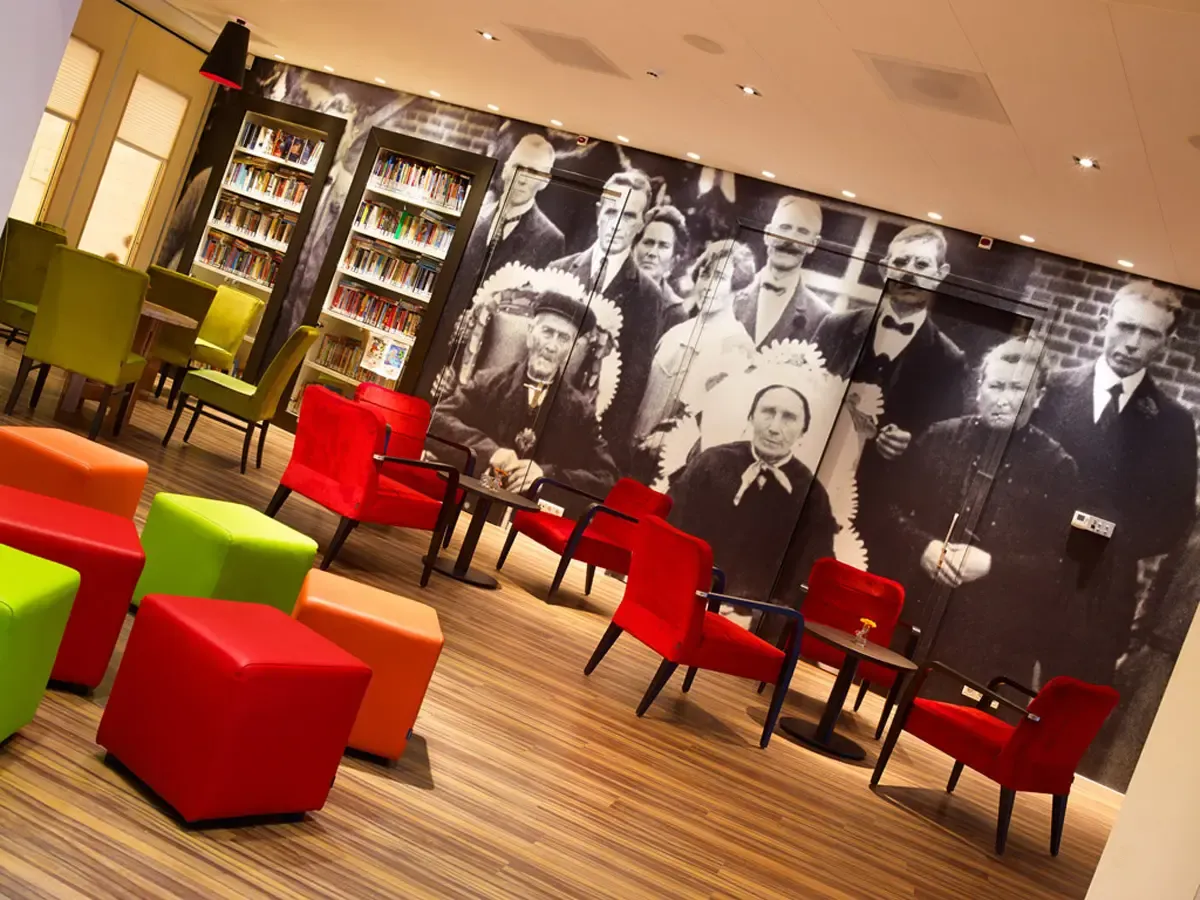
Hospitality and functionality go hand in hand. By designing an interior that combines warmth, clarity, and comfort, staff can provide optimal care and residents and visitors feel safe, supported, and at home. Activities, interaction, and a positive atmosphere make the care environment lively and inviting, contributing to a healing and supportive experience.
At PGA Totaalinrichters, we ensure that care environments are designed to be both practical and welcoming, so that every space contributes to the well-being of residents and the job satisfaction of staff.
What is the importance of lighting in healthcare projects?
At PGA Totaalinrichters, lighting plays a central role in creating care environments that are safe, comfortable, and functional. Good lighting not only supports the well-being of patients and residents, but also helps caregivers perform their work optimally.
An important aspect is the quality of the light. Flicker-free LED lighting with a high color rendering index (CRI) and low glare (UGR) improves comfort and visibility in all areas. Smart sensors measure presence and daylight, allowing the lighting to be adjusted automatically and energy to be used efficiently.
Biodynamic lighting is another trend that supports the natural rhythm of residents and patients. By adjusting light patterns to day and night rhythms, this lighting promotes alertness during the day and calm in the evening, which can reduce stress and support the recovery process. Nighttime restlessness in patients is reduced through soft light transitions and a biologically supportive lighting system.
In addition to well-being, good lighting contributes to sustainability and cost savings. Energy-efficient LED solutions reduce consumption and CO₂ emissions, while modular and circularly designed luminaires are easy to maintain and future-proof.
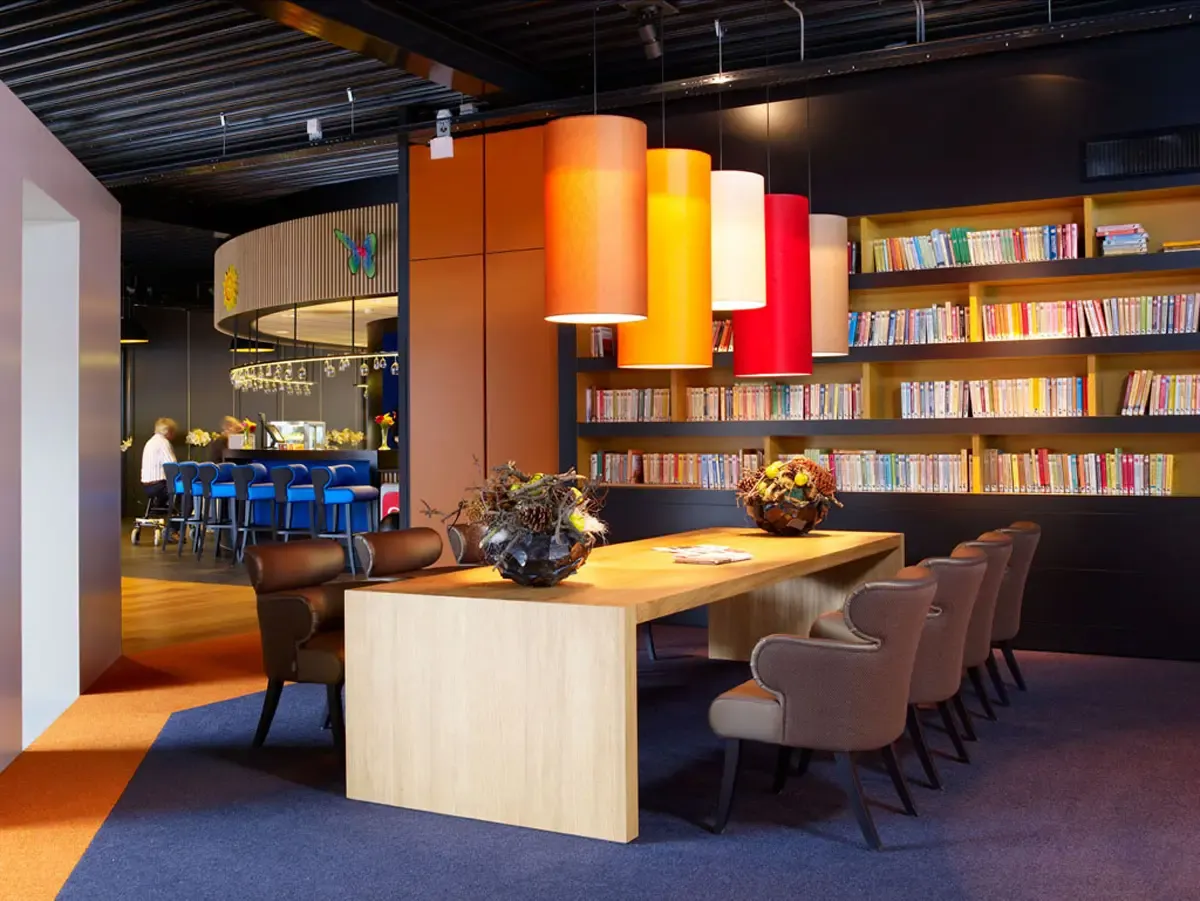
At PGA Totaalinrichters, we ensure that lighting in healthcare projects is optimally aligned with functionality, comfort, and aesthetics. By combining the right luminaires with smart lighting plans, we create care environments that support both residents and staff and contribute to a healing, safe, and welcoming atmosphere.
How does interior design contribute to the well-being of patients and residents
A care environment that is carefully designed with attention to light, color, materials, acoustics, and functionality can make a real difference to the well-being of patients, residents, and staff. Spaces where calm, privacy, safety, and comfort are central contribute to reduced stress, better sleep, and faster recovery.
At PGA Totaalinrichters, we design spaces in such a way that residents feel seen and safe. Think of rooms with soft colors and warm materials, comfortable furniture, clear routing, and acoustically well-considered spaces. Communal areas, waiting rooms, and reception areas are also designed with attention to atmosphere and accessibility: this supports a sense of home and invites interaction or visits.
In addition, a well-thought-out design provides efficiency and comfort for staff: ergonomic workstations, good lighting, and clear routing improve their working conditions. In the design of healthcare interiors at PGA, humanity is central — an interior that contributes to physical recovery as well as mental well-being.
How does the custom design process at PGA work for healthcare institutions
For healthcare institutions, PGA uses a structured custom design process: first, we map out the needs — who is the target group, what type of living or care environment is desired, and what are the hygiene, safety, and comfort requirements? Based on this, we develop an interior concept that is functional, hygienic, ergonomic, and aesthetic.
After that, every element is tailored to the institution’s specific requirements: easy-to-clean materials, antibacterial finishes, comfortable and accessible furniture, safe walking routes, acoustic measures, and a layout that contributes to calm and clarity. We make smart choices for lighting, routing, privacy solutions, and communal areas so that the facility is optimally usable for both residents and staff.
Finally, the interior is realized according to plan, with attention to sustainability, ease of maintenance, and future-proofing. This is how PGA delivers a total solution from which healthcare institutions benefit immediately and for the long term.
When is it advisable to engage a total interior specialist for healthcare projects
Engaging a total interior specialist is advisable when you want to furnish a healthcare institution with attention to all aspects at once: functionality, hygienic maintenance, safety, comfort, atmosphere, and efficiency. Especially in the case of new construction, renovations, or large-scale refurbishments, it is wise to have one party responsible from design to completion.
In complex healthcare projects with different functions such as rooms, treatment areas, communal spaces, waiting rooms, staff areas, and storage spaces, coordination is essential. A total interior specialist like PGA Totaalinrichters ensures that materials, routing, furniture, lighting, and hygiene standards are handled in an integrated way. This prevents conflicting choices and saves time and costs.
In addition, a total approach guarantees that the end result is right: a safe, comfortable, and hygienic care environment where patients and residents feel at home and staff can work efficiently and pleasantly.
How do you combine hygiene, safety, and comfort in healthcare interiors
In healthcare interiors, it is crucial to balance hygiene, safety, and comfort. This starts with material choices: using durable, easy-to-clean materials with antibacterial or moisture-resistant properties, so that spaces remain clean, safe, and low-maintenance even with intensive use.
Adequate ventilation, good lighting, clear routing, non-slip floors, and a smart layout ensure safety and accessibility for everyone — residents, visitors, and staff. In addition, acoustically responsible design contributes to calm: it reduces noise disturbance and promotes privacy.
At the same time, the interior should feel inviting and homely. Warm materials, natural colors, comfortable furniture, and soft lighting create a pleasant atmosphere where residents feel at ease. At PGA, we combine all these elements so that hygiene and safety go hand in hand with comfort and experiential quality.
What are the benefits of an integrated total interior solution for healthcare institutions
An integrated total interior solution — design, material selection, furniture, lighting, routing, and execution under one roof — offers multiple advantages. First of all: consistency. All components are aligned with each other, resulting in an end result that is harmonious, logical, and future-proof.
Second: efficiency and cost savings. By managing everything within one process, unnecessary delays, duplicate work, or wrong choices are avoided. This not only saves time during realization, but also maintenance costs and repairs in the long term.
In addition, a total approach increases the quality of the care environment. Everything is tailored to the specific needs of the users — residents, patients, visitors, and staff — which leads to a better experience, safety, hygienic comfort, and sustainability. A well-designed building contributes to recovery, well-being, and satisfaction.
At PGA Totaalinrichters, we stand for care environments that not only meet all standards and requirements, but also radiate warmth, calm, and humanity.