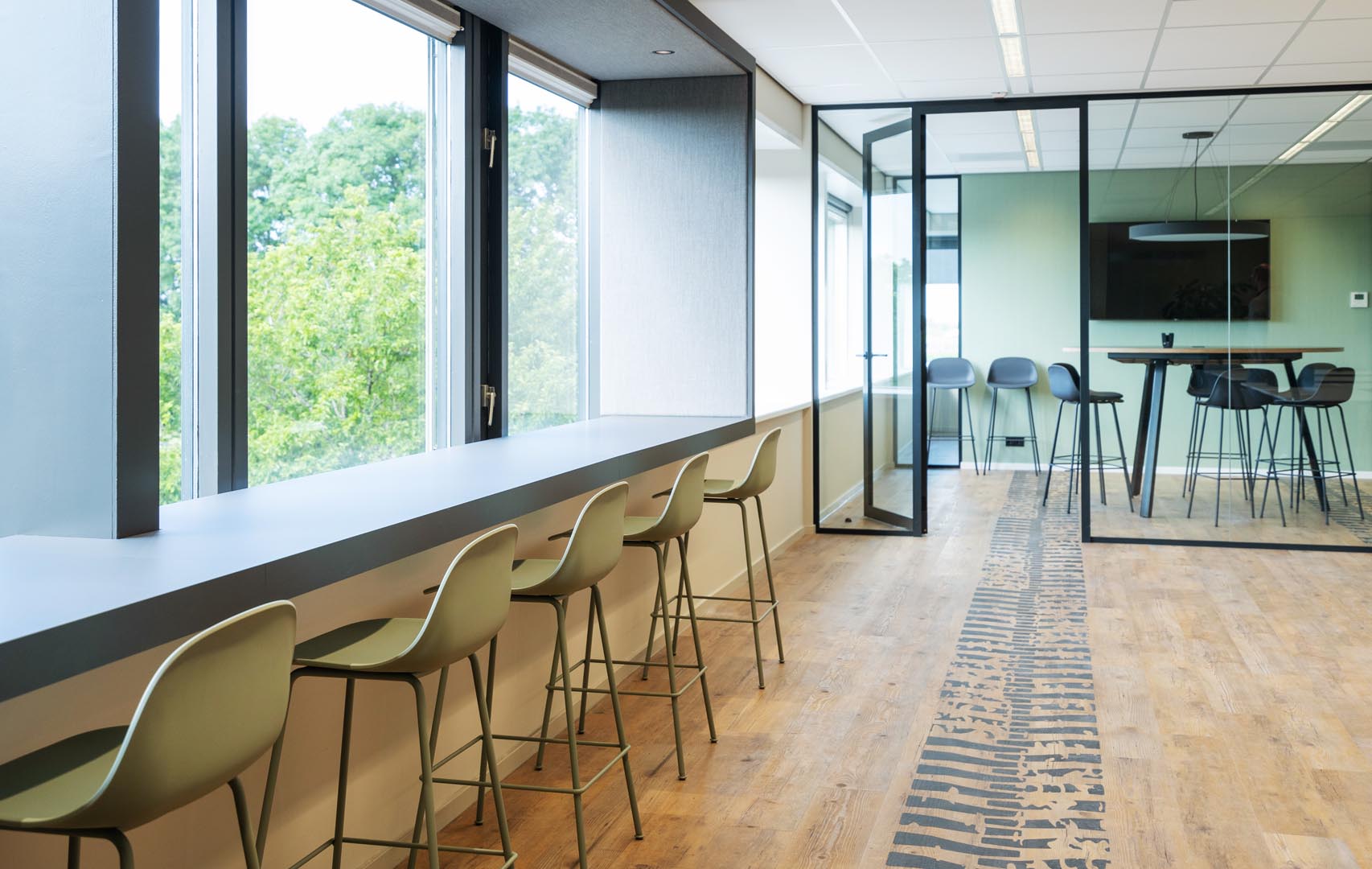
Back pain at work? What the new legislation says
Prolonged sitting and poor posture are major causes of physical complaints in the workplace. Back, neck, and shoulder problems occur frequently and have a direct impact on comfort, productivity, and absenteeism.
Since May 25, 2024, the updated regulations within the Code on Well-being at Work have been in effect. These place a stronger focus on the prevention of musculoskeletal disorders (MSDs). Employers are required to take active measures to prevent physical complaints.
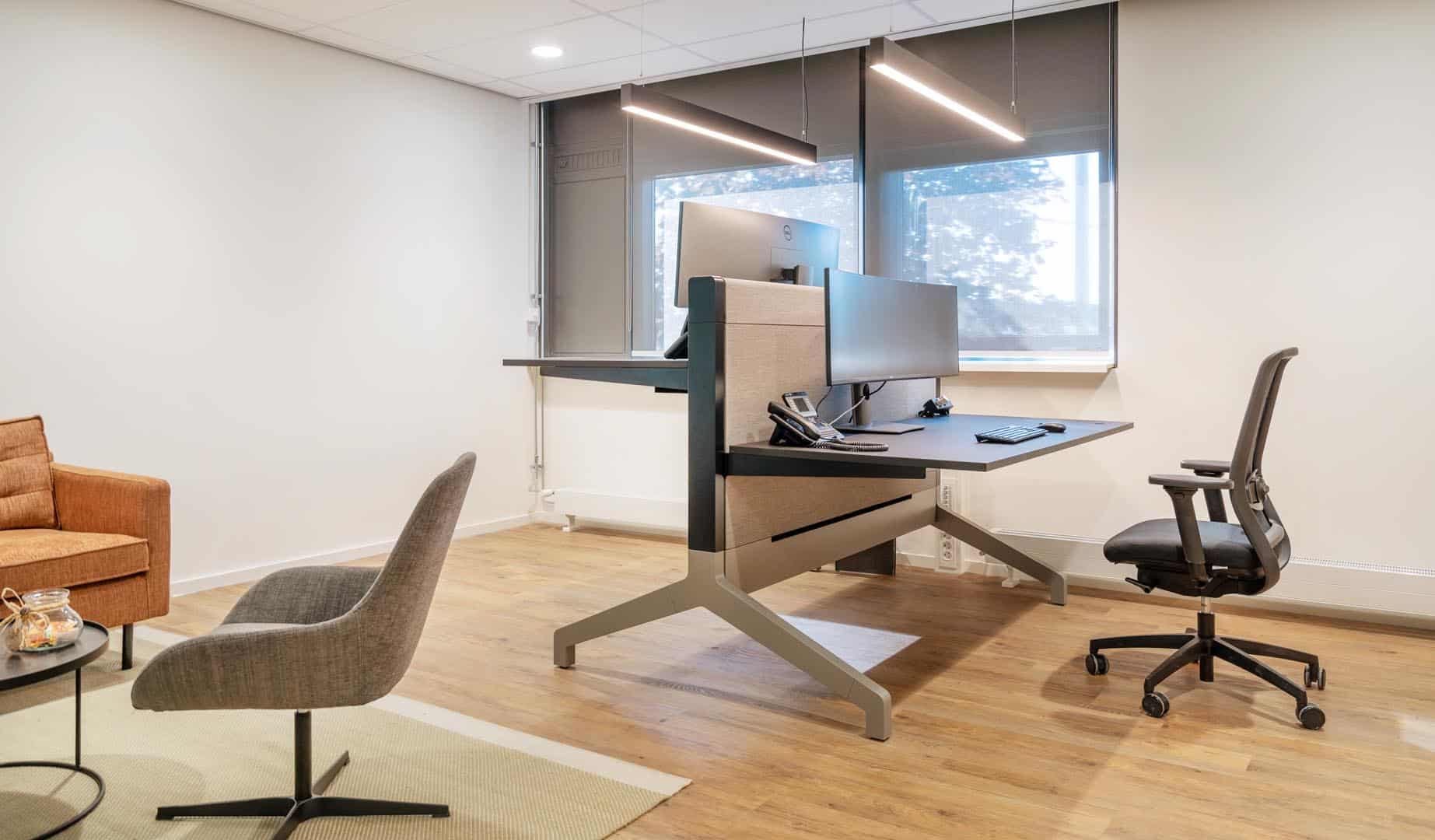
What does the law say about ergonomics?
The regulations require organizations to pay structural attention to ergonomics and well-being in the workplace. This includes:
- Analyzing risks such as posture, repetitive movements, and prolonged static work
- Taking targeted measures, including ergonomic furniture and workplace adjustments
- Informing and involving employees in improving their work environment
A well-thought-out workplace is therefore not an optional choice, but an essential part of a healthy working environment.
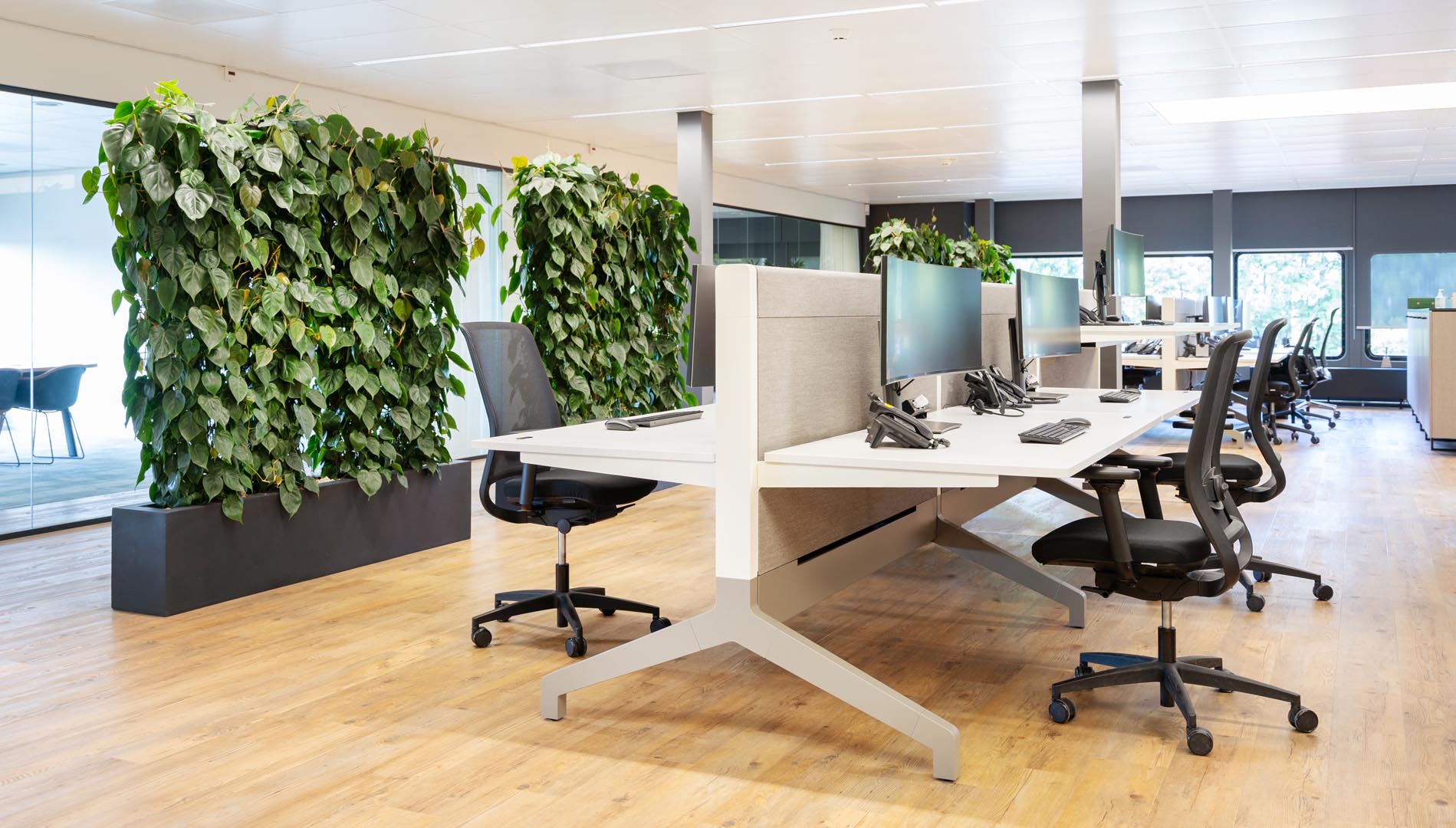
Why physical complaints often occur
Many complaints arise from a combination of factors: prolonged sitting, poor sitting posture, poorly adjusted workstations, and insufficient variety.
These problems often develop gradually but can lead to reduced performance and absenteeism in the long term. A well-designed workplace can largely prevent this.
A well-thought-out workplace as a solution
An ergonomically designed work environment contributes to comfort, health, and efficiency.
At PGA Totaalinrichters, we view the workplace as a whole, where layout, furniture, and usage are perfectly aligned.
We focus on, among other things:
- ergonomically sound workstations
- sit-stand solutions for variety
- a logical and efficient layout of work zones
- materials and solutions that combine comfort and durability
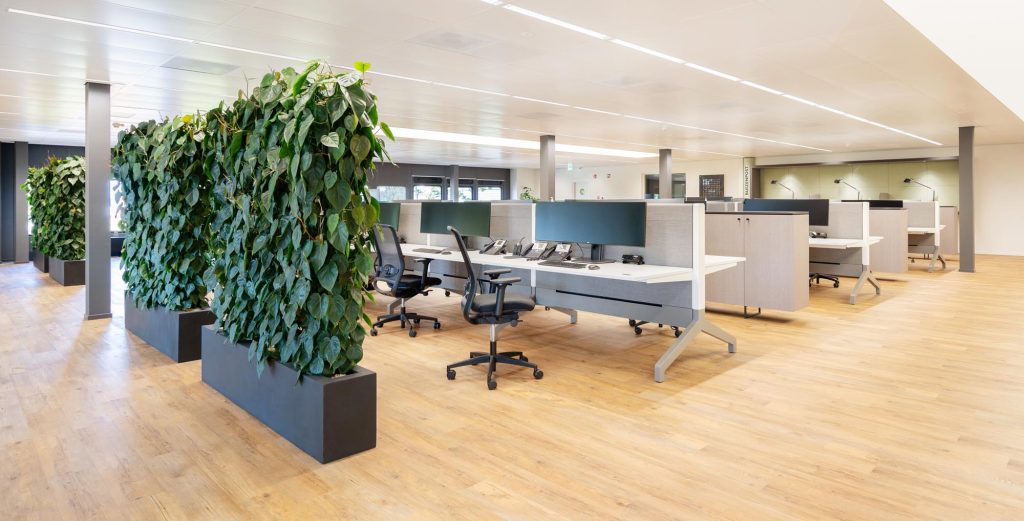
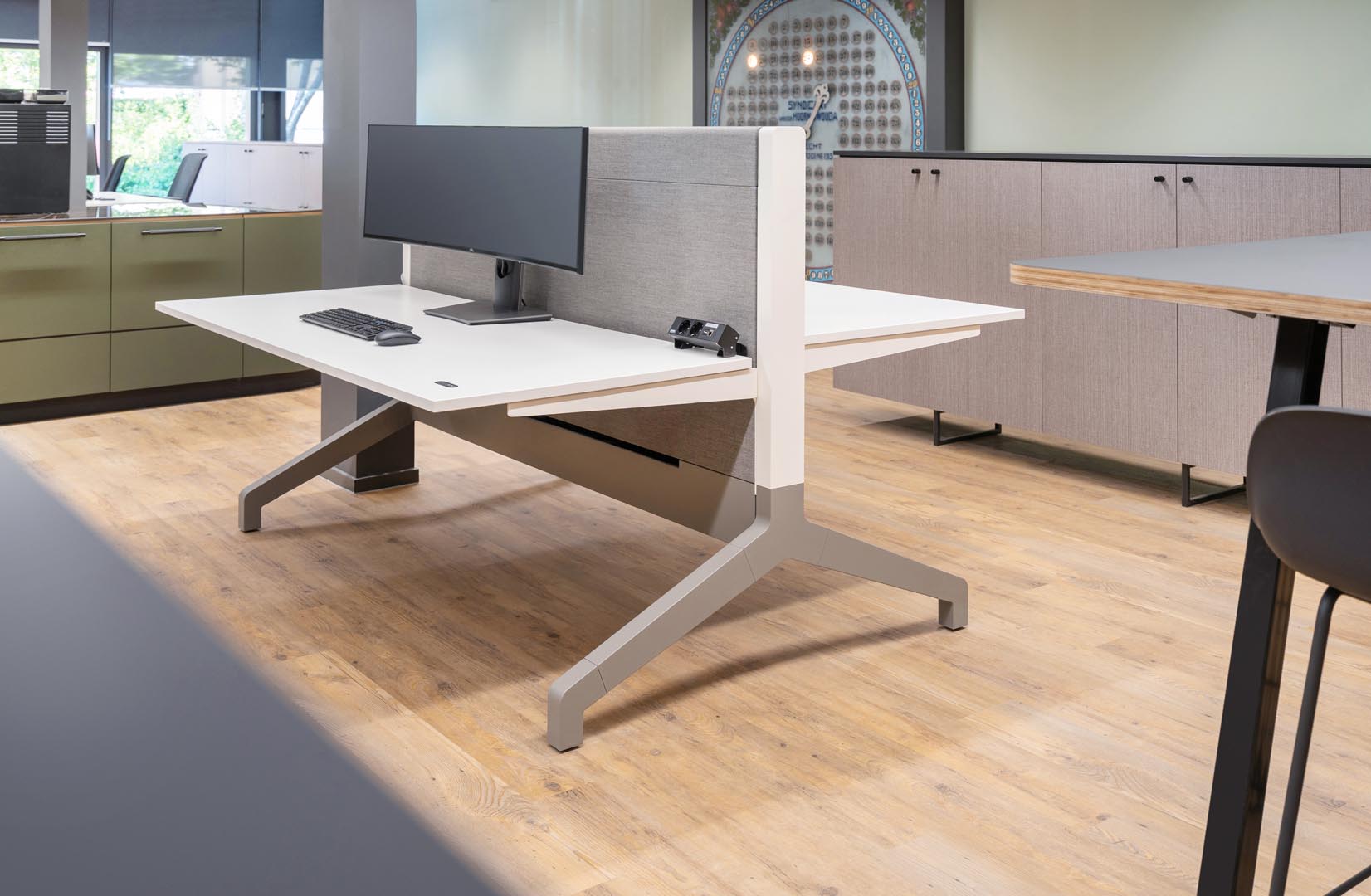
Ergonomics as part of total interior design
At PGA, ergonomics is an integral part of the design.
We create work environments in which employees automatically adopt a better working posture without it feeling forced. The right combination of furniture, layout, and usage creates a workplace that is both comfortable and functional.
What does this mean for your organization?
The new regulations require an active approach. Employers must be able to demonstrate that they are taking measures to prevent physical complaints.
A well-thought-out workplace design plays a central role in this. It not only ensures compliance with legislation but also contributes to employee well-being and a more efficient work environment.
Handle it yourself or seek professional guidance?
You can take steps toward an ergonomic workplace yourself, but in many cases, a professional approach offers more certainty and results. Especially when you want to create a work environment that is ergonomically, practically, and visually balanced.
PGA Totaalinrichters always starts with an analysis of your current workplace. How is the space used? Where do complaints arise? And what improvements are possible? Based on this, we develop a solution that suits your organization and employees.
From advice and design to realization, we manage the entire process, with a single point of contact and an eye for detail. This ensures a workplace that complies with regulations and contributes to comfort and well-being.
Frequently asked questions about back pain at work and legislation
What is the legislation regarding back pain at work?
Since May 25, 2024, Book VIII of the Code on Well-being at Work has been updated. The focus is now on preventing musculoskeletal disorders (MSDs), such as back, neck, and shoulder complaints. Employers must analyze risks and take measures to avoid complaints.
Am I now required as an employer to provide ergonomic furniture?
Not literally, but you must demonstrate that you are preventing MSDs. And ergonomic furniture is a logical and effective step in that direction. Think of high-quality office chairs, sit-stand desks, and a smart workplace layout.
What are musculoskeletal disorders (MSDs)?
These are complaints involving muscles, joints, and tendons. Back pain, neck complaints, shoulder problems… everything you feel after a long day at your desk. And yes, they occur more often than you think.
What if my employees work from home? Does the law apply there too?
Yes, working from home also falls under well-being legislation. You must ensure a safe and healthy workplace, even if it is in the living room. We help you with home office advice and ergonomic solutions for remote teams.
What does an ergonomic redesign cost?
That depends on your needs and your team. Sometimes a few smart adjustments are enough; sometimes a complete redesign is necessary. We work within your budget and always look for the best solution for your situation.
Addressing back pain in the workplace?
Would you like to ergonomically optimize your workplace and reduce physical complaints? PGA Totaalinrichters helps you create a work environment that combines comfort, functionality, and well-being.
In our concept space, you will gain insight into how a well-thought-out design contributes to a better working posture and more efficient use of space. You will discover various solutions and experience how materials, furniture, and layout together make a difference in daily use.
Schedule an appointment and discover how we can optimize your workplace.