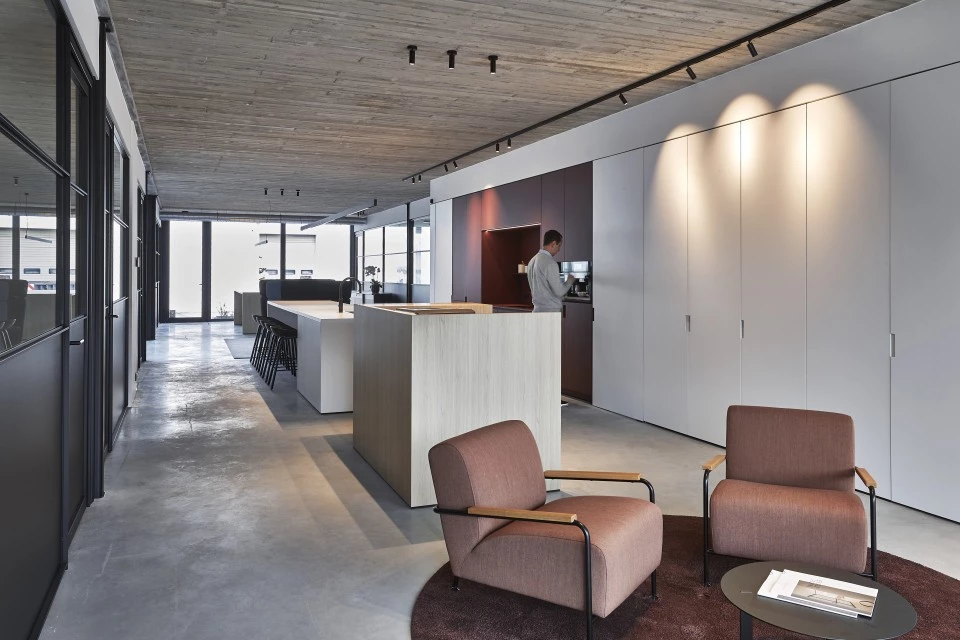
Sustainable office design
Sustainable office design is more than just a trend. It is a conscious choice to make your workplace future-proof. By using sustainable materials, encouraging reuse, and thinking circularly, you reduce your organization’s ecological footprint. At the same time, you invest in a healthy, inspiring work environment for your team.
Sustainability in the office is therefore not just about recycling or placing a few plants. It is found in every detail: from the choice of recycled fabrics to a design that grows flexibly with your organization.
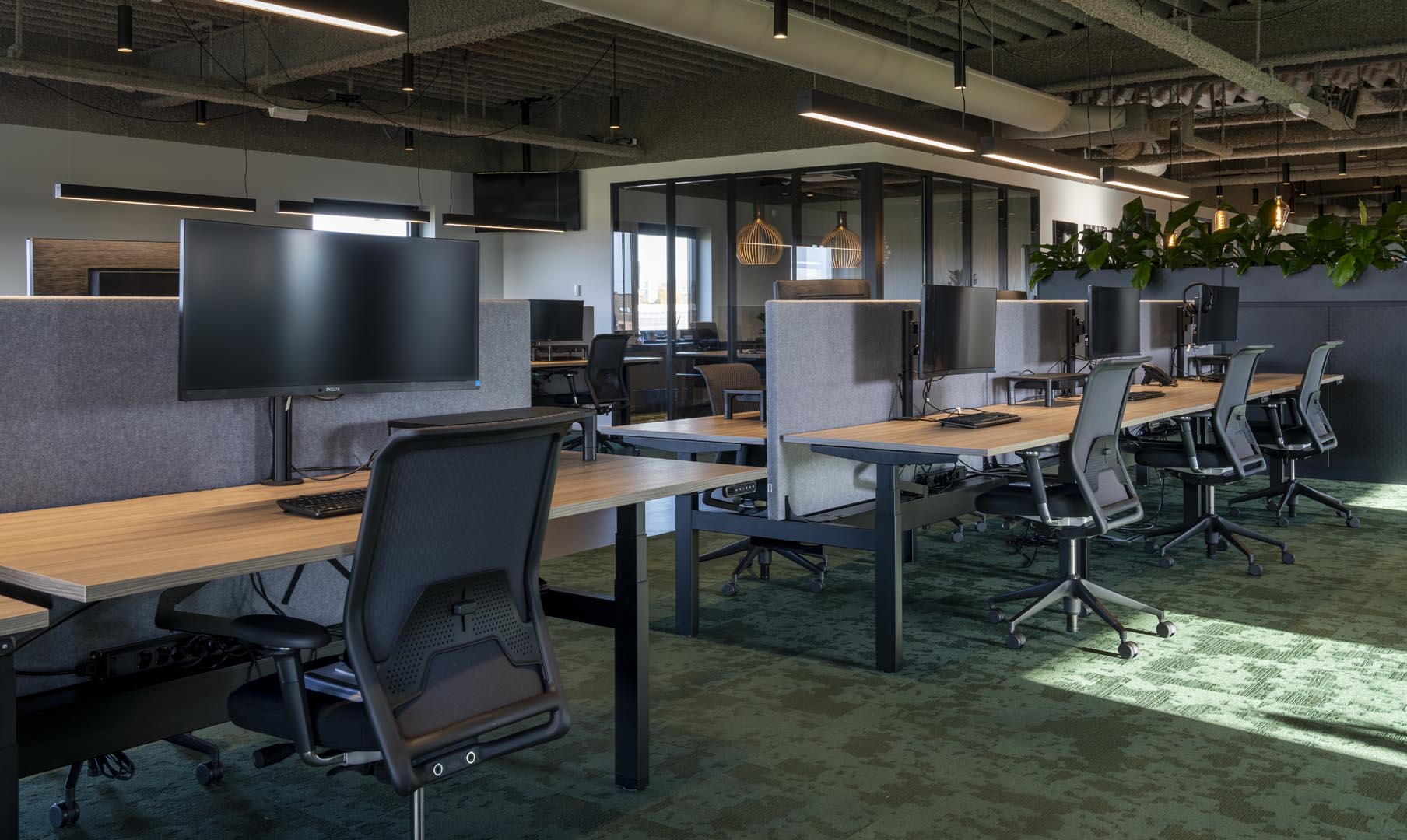
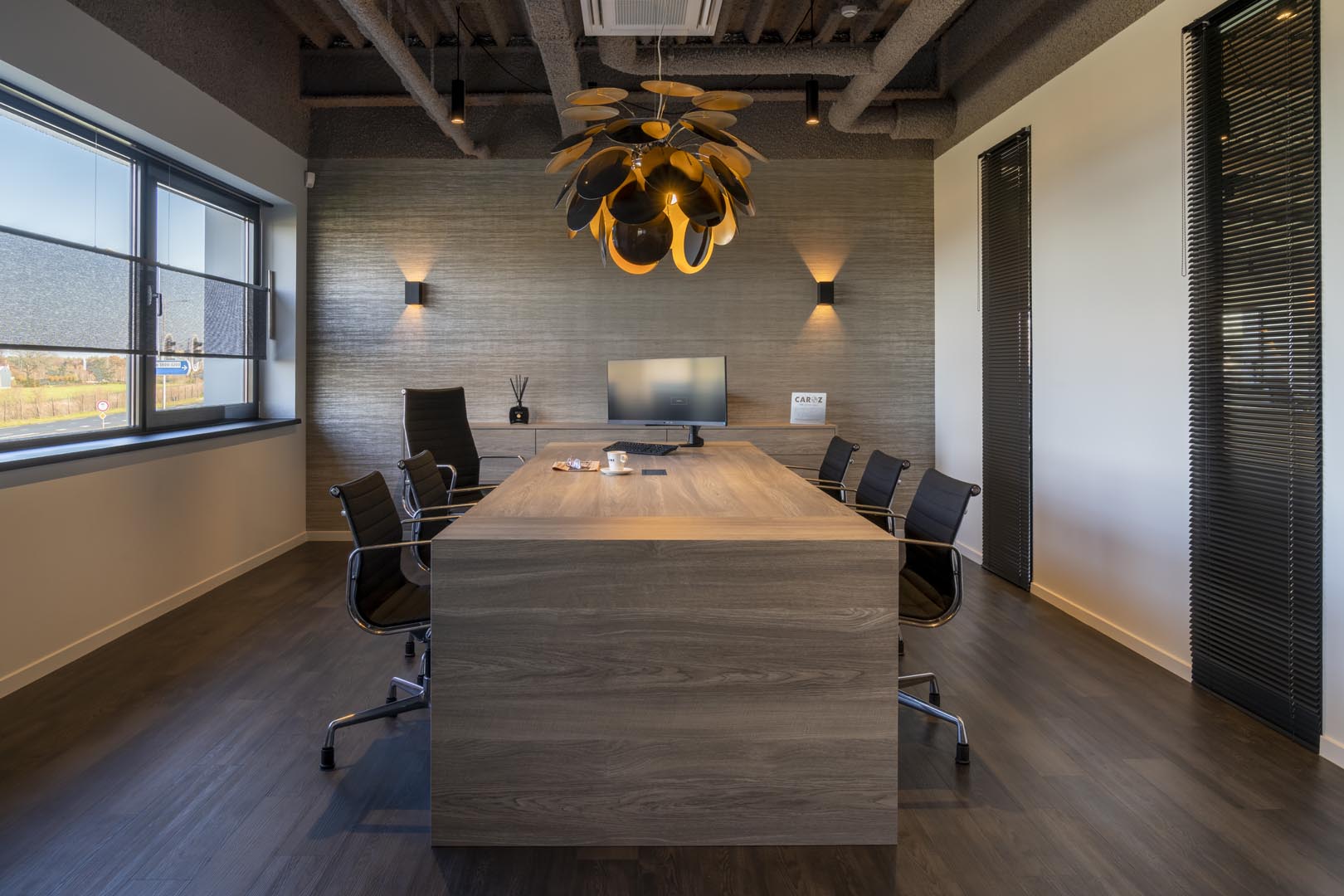
What makes an office design ‘sustainable’?
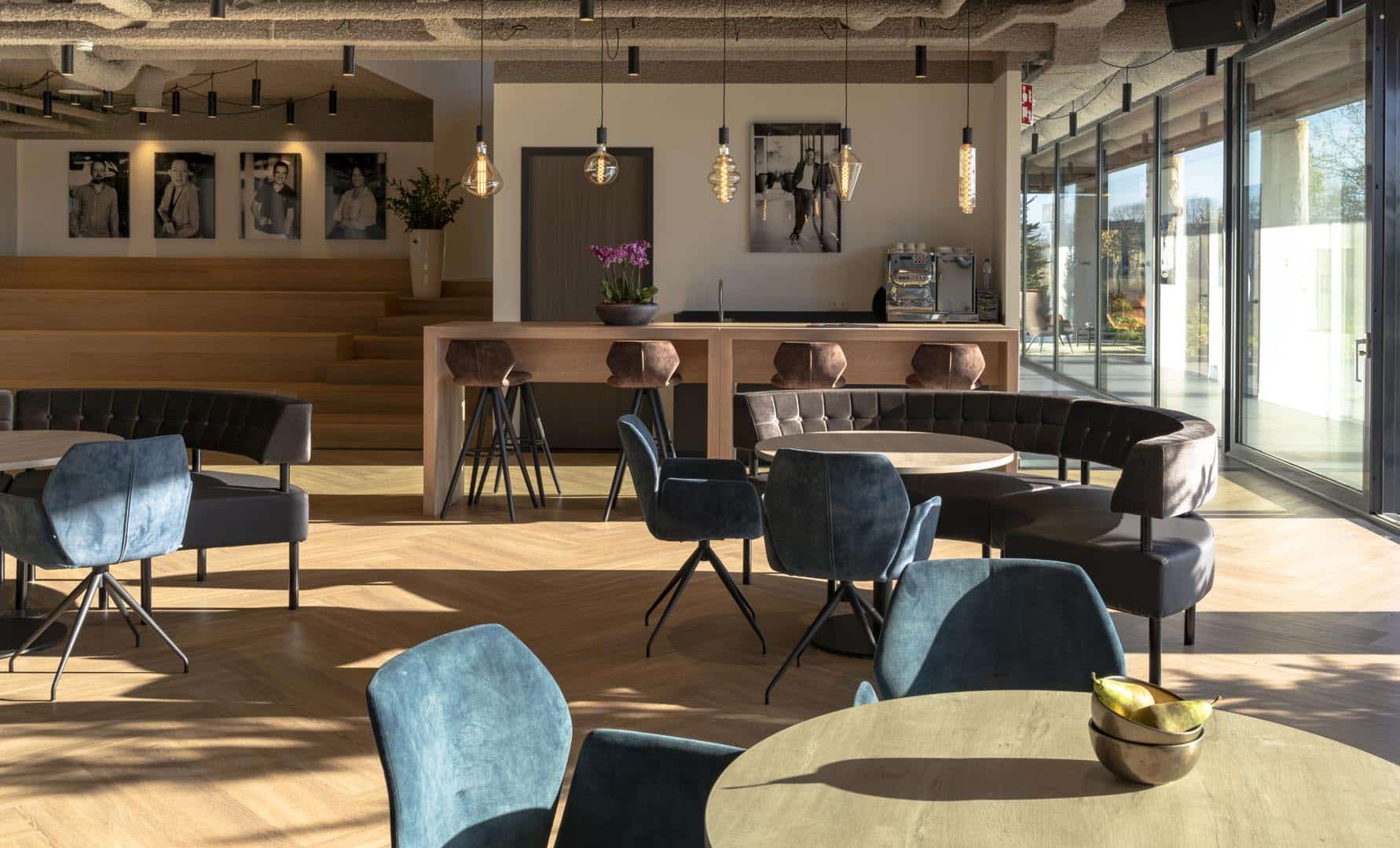
1. Materials with a story
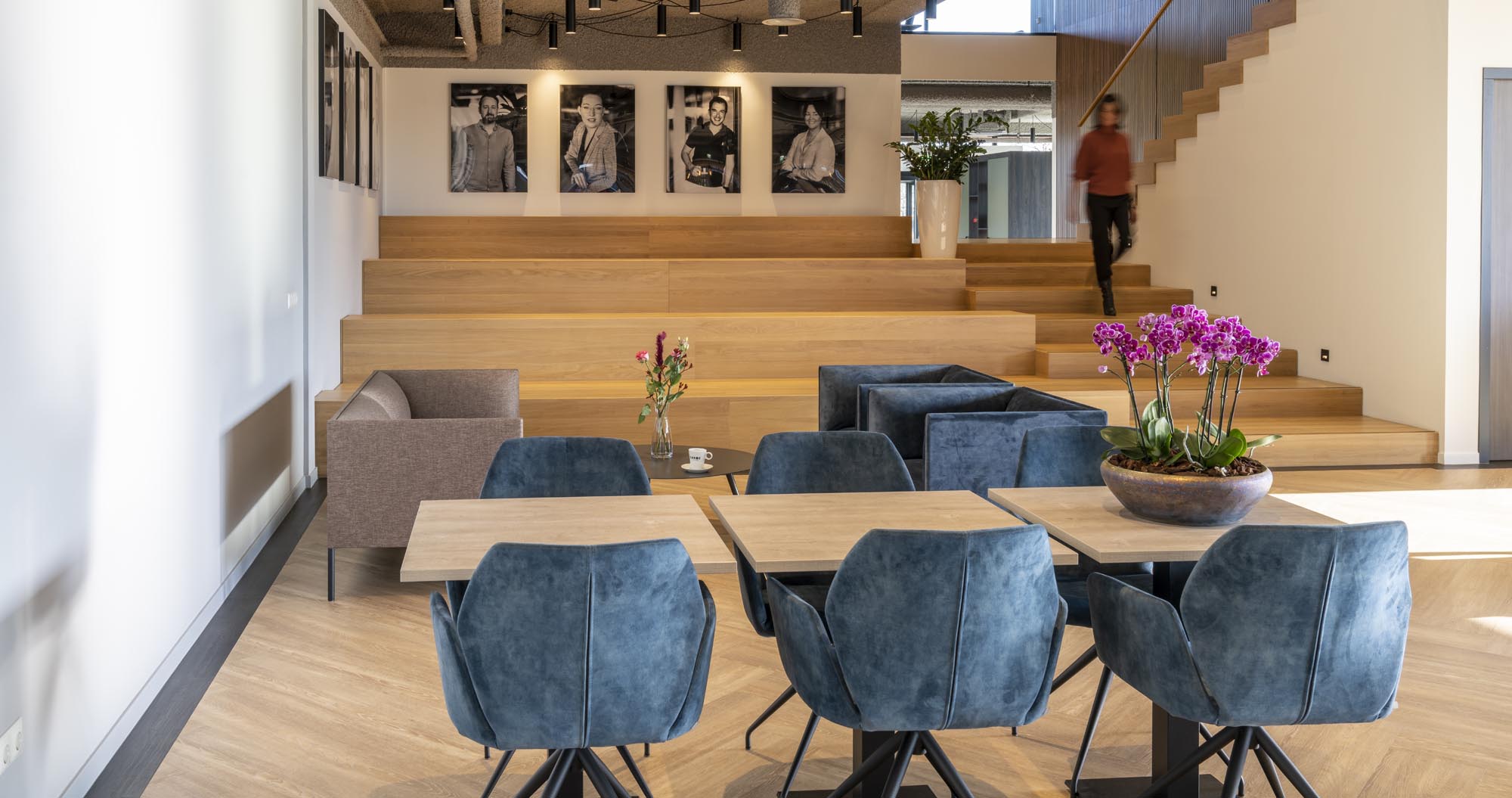
A sustainable office begins with conscious material choices. FSC-certified wood comes from responsibly managed forests. Recycled steel requires less energy than new steel. Fabrics from ocean plastic or old jeans give waste a second life. Every material tells a story of respect for people and the planet.
2. Long lifespan
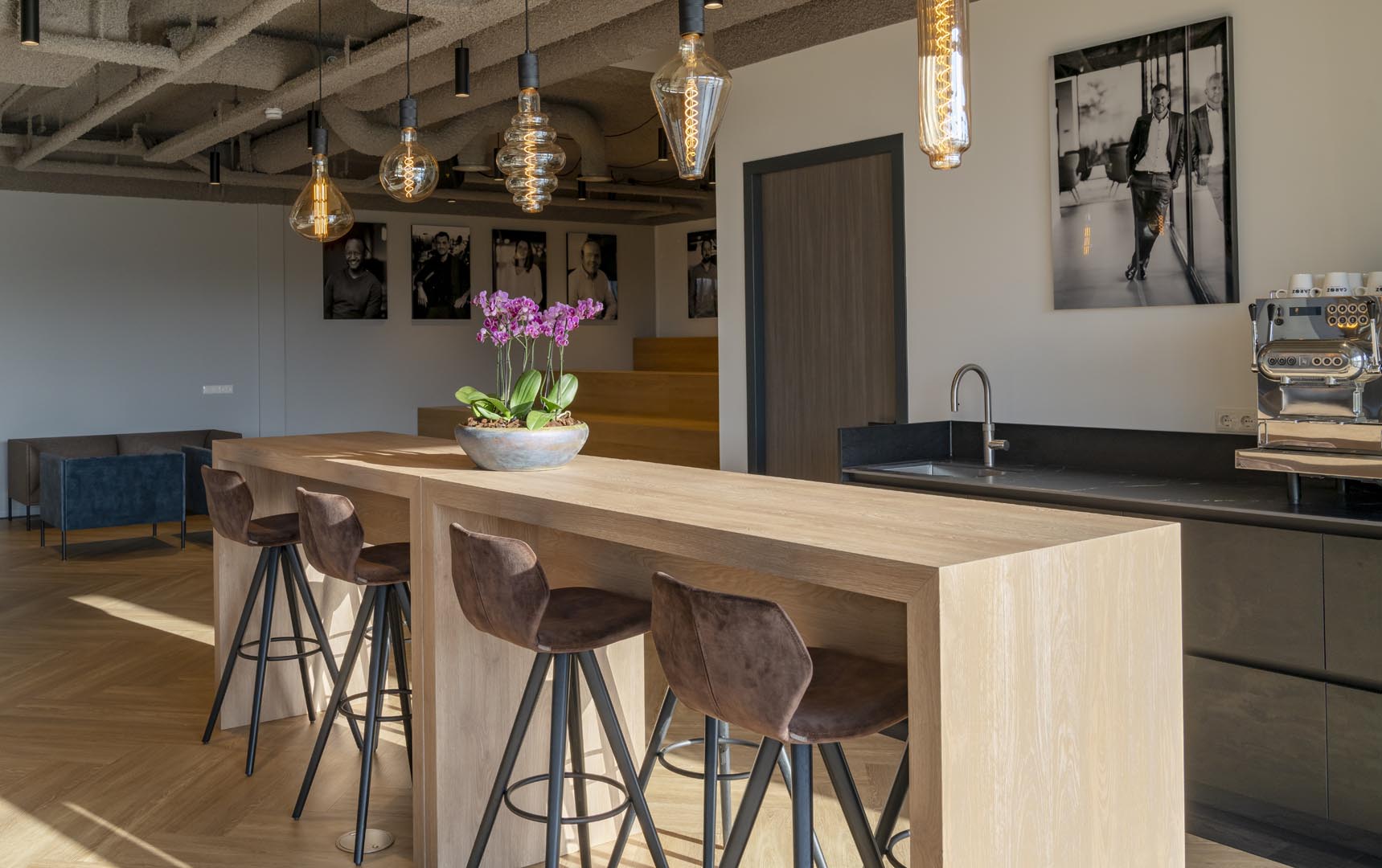
Good furniture lasts a long time. High-quality materials wear out more slowly and are often easier to repair. Consider modular systems, replaceable parts, and timeless design. This avoids unnecessary replacement and reduces waste streams.
3. Circular thinking
Why buy new when so much beauty already exists? Reuse existing furniture or choose refurbished solutions. In this way, you extend the life cycle of products and stimulate a circular economy. Less waste, more value.
4. Smart production
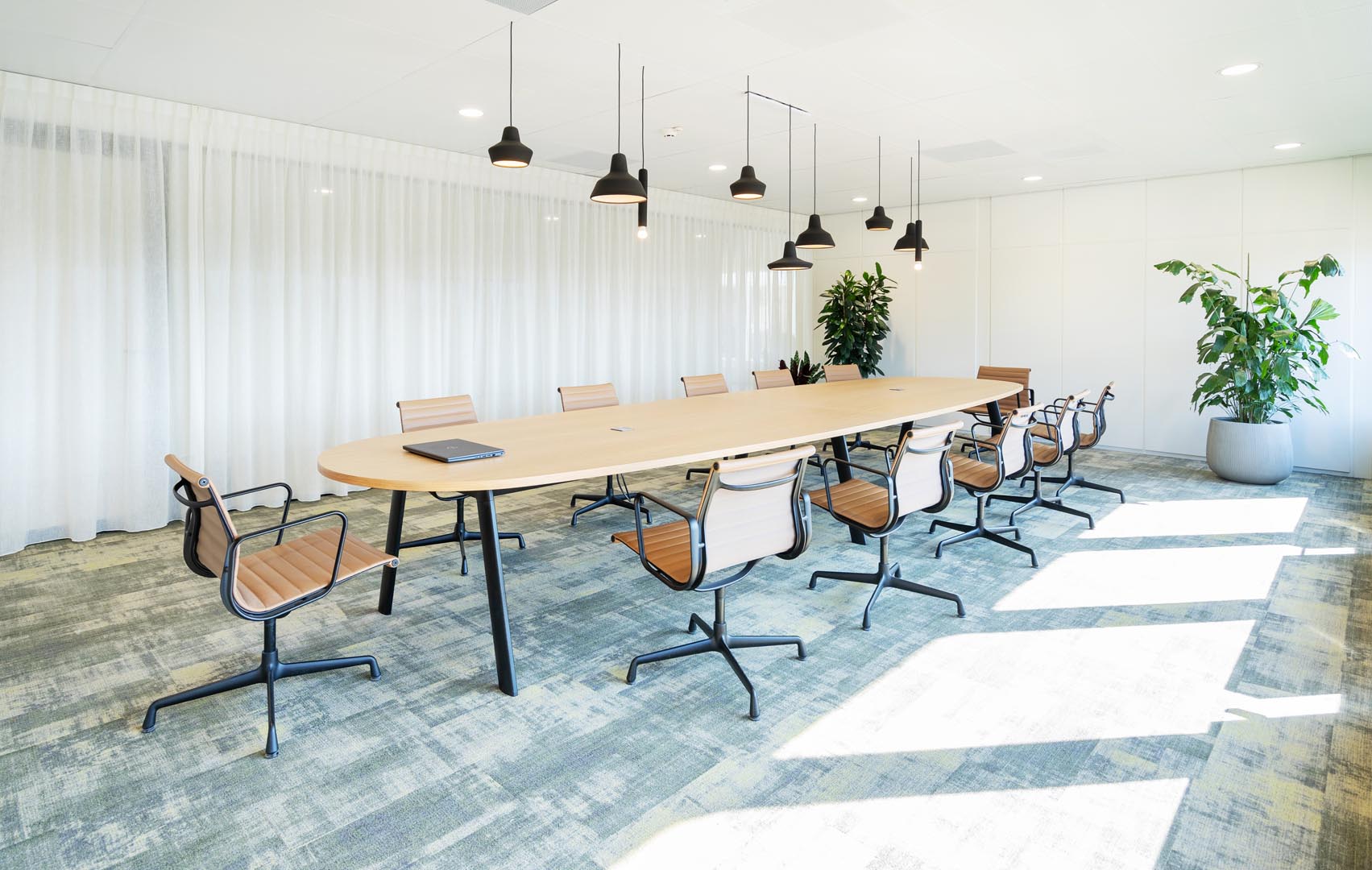
Not every supplier thinks sustainably. Therefore, choose partners with an ISO 14001 certificate. They guarantee environmentally conscious processes, from material selection to packaging and transport. This ensures that a difference is also being made behind the scenes.
How to start with a sustainable design

1. Start with an analysis
What is already present? What can stay? Which spaces require an upgrade?

2. Formulate your goals
Do you want to save CO2, improve well-being, or all of the above?

3. Think in phases
A sustainable transformation does not have to happen all at once. Start where the impact is greatest.

4. Choose the right partners
Work with designers and suppliers who demonstrably integrate sustainability into their approach.
Sustainable also means smart and efficient
Did you know that sustainable design is more cost-effective in the long term? Fewer replacements, less waste, and higher team satisfaction make the difference. Furthermore, as a company, you send a strong signal to clients, partners, and (future) employees.
And do not forget: sustainable choices are also preparatory steps toward mandatory reporting such as CSRD.
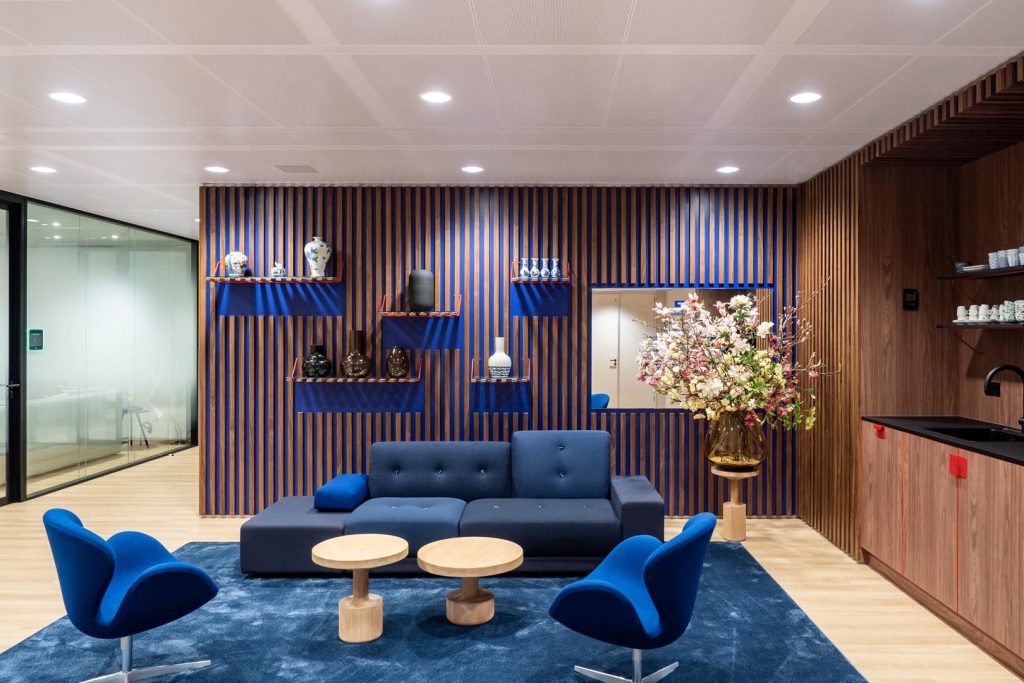
Inspiration from practice
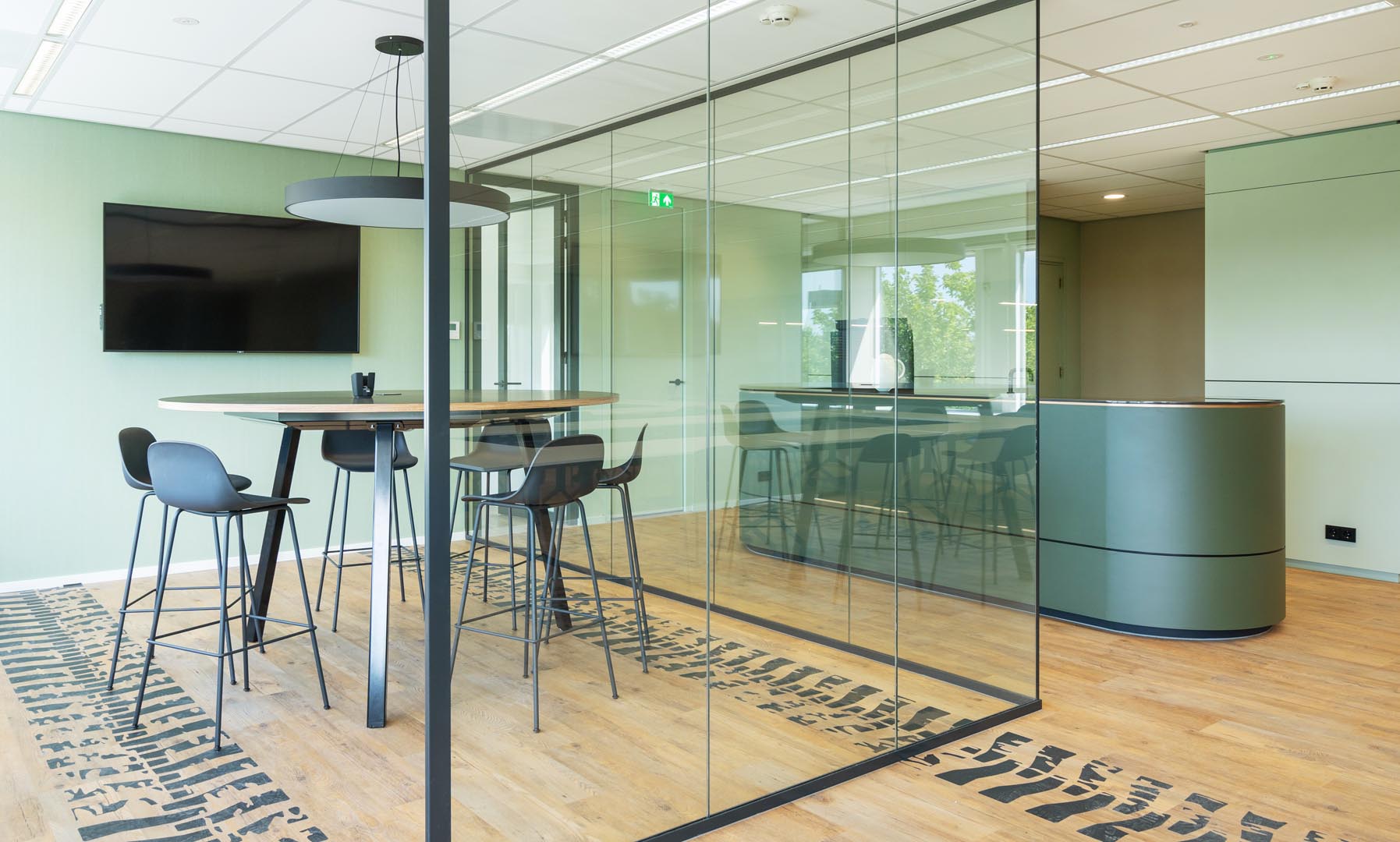
At PGA Totaalinrichters, we always start from your existing situation and requirements. We examine how new and existing elements can be combined into a thoughtful and coherent whole, with attention to sustainability, comfort, and use.
In our concept space, you gain insight into materials, solutions, and practical applications. We are happy to explain how a sustainable office design is built and which choices make a difference in the long term.
Schedule an appointment and discover how we can design your office for the future.
Realizations
Will your project be featured here soon?
We would be happy to discuss it with you to answer any questions or to provide a quote. This can be done via a physical meeting at your office, in one of our Concept Places in Eindhoven, or digitally.
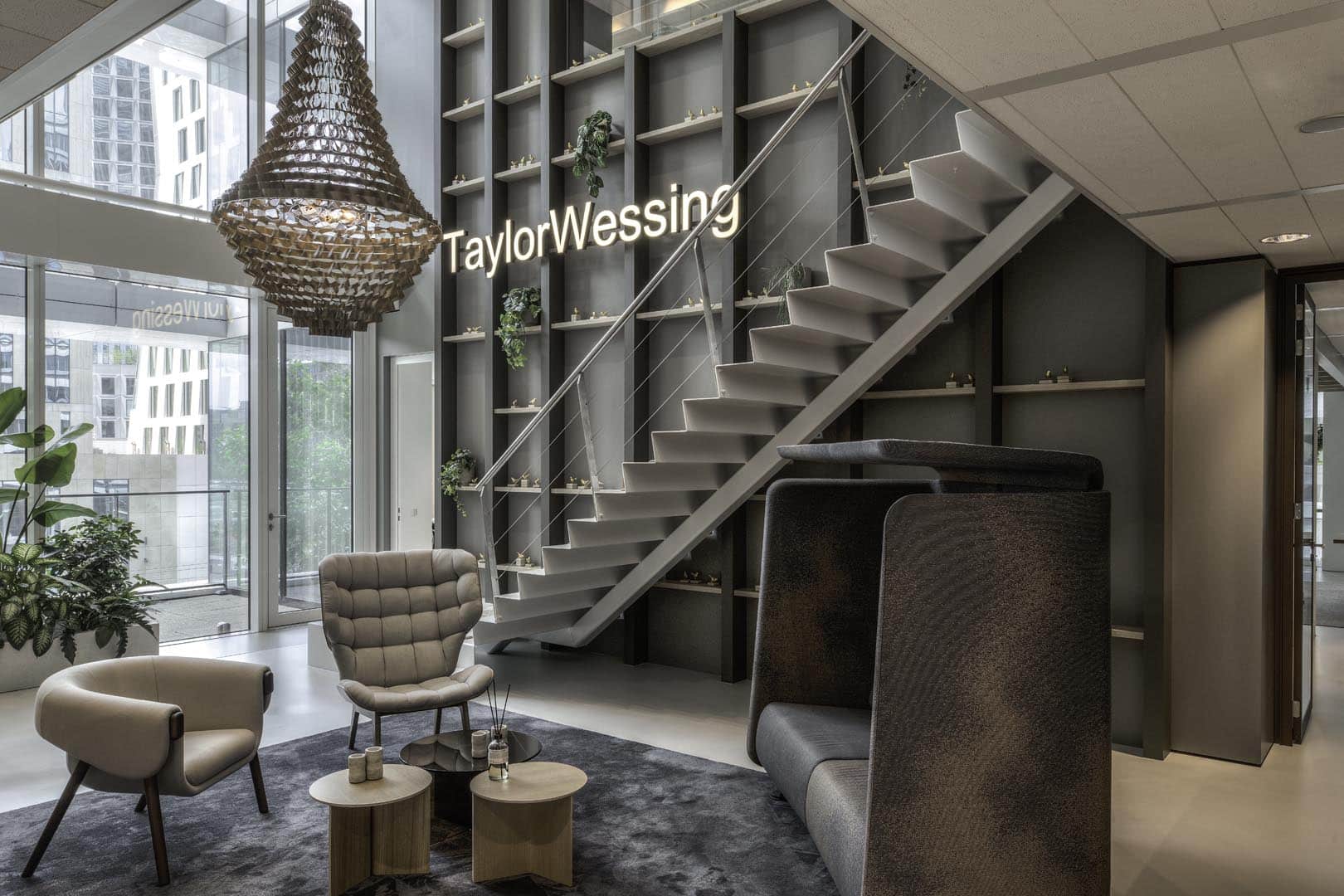
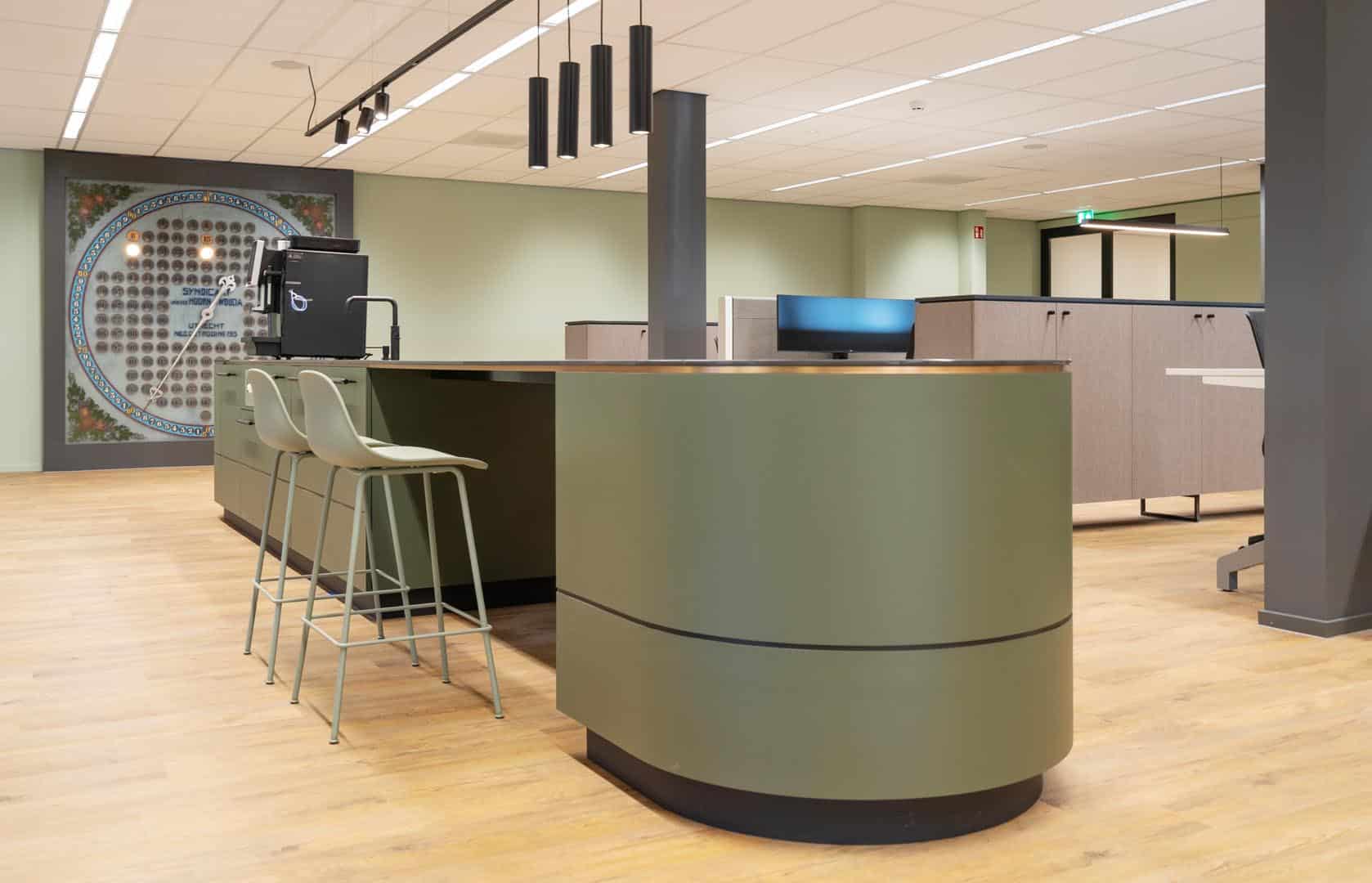
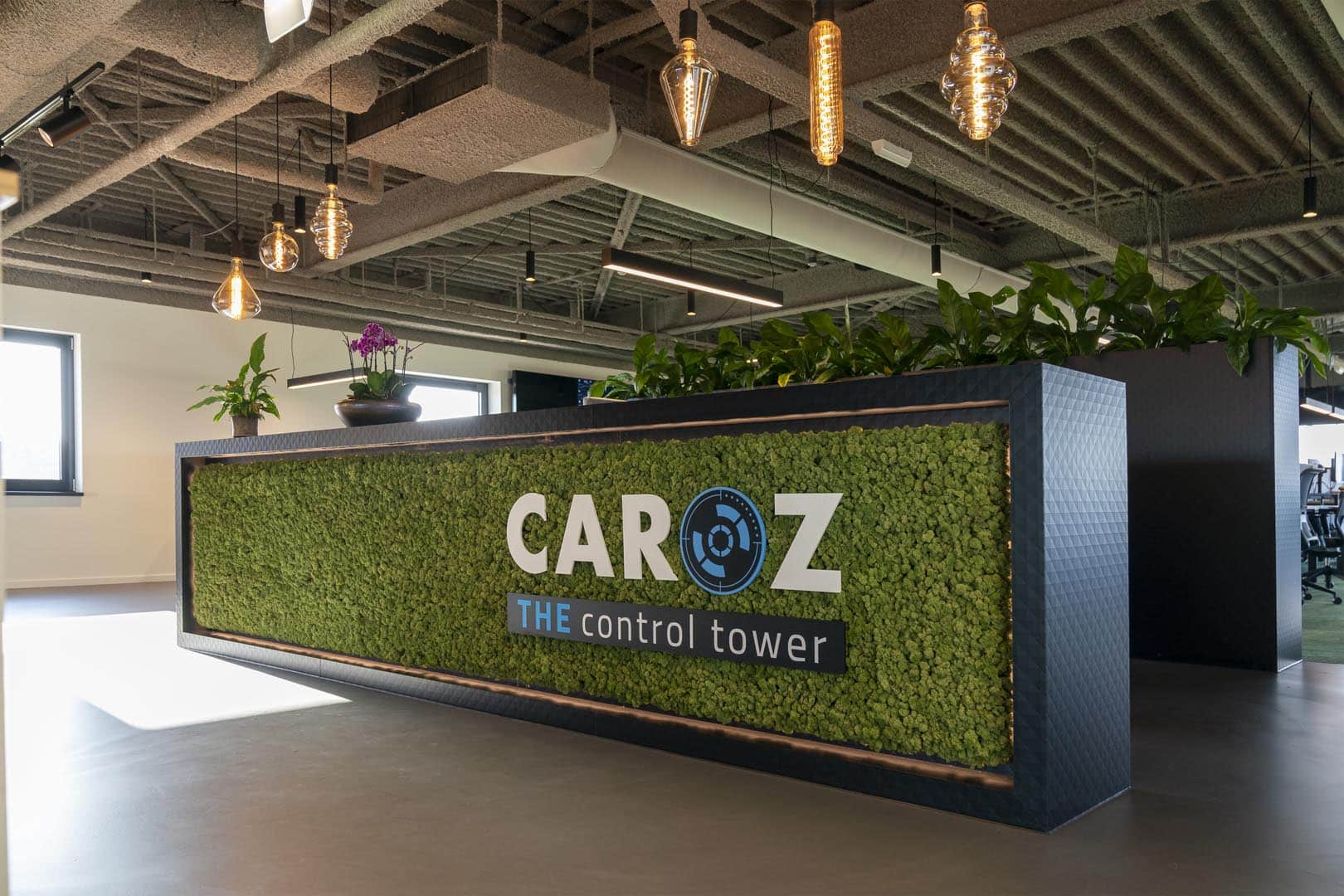
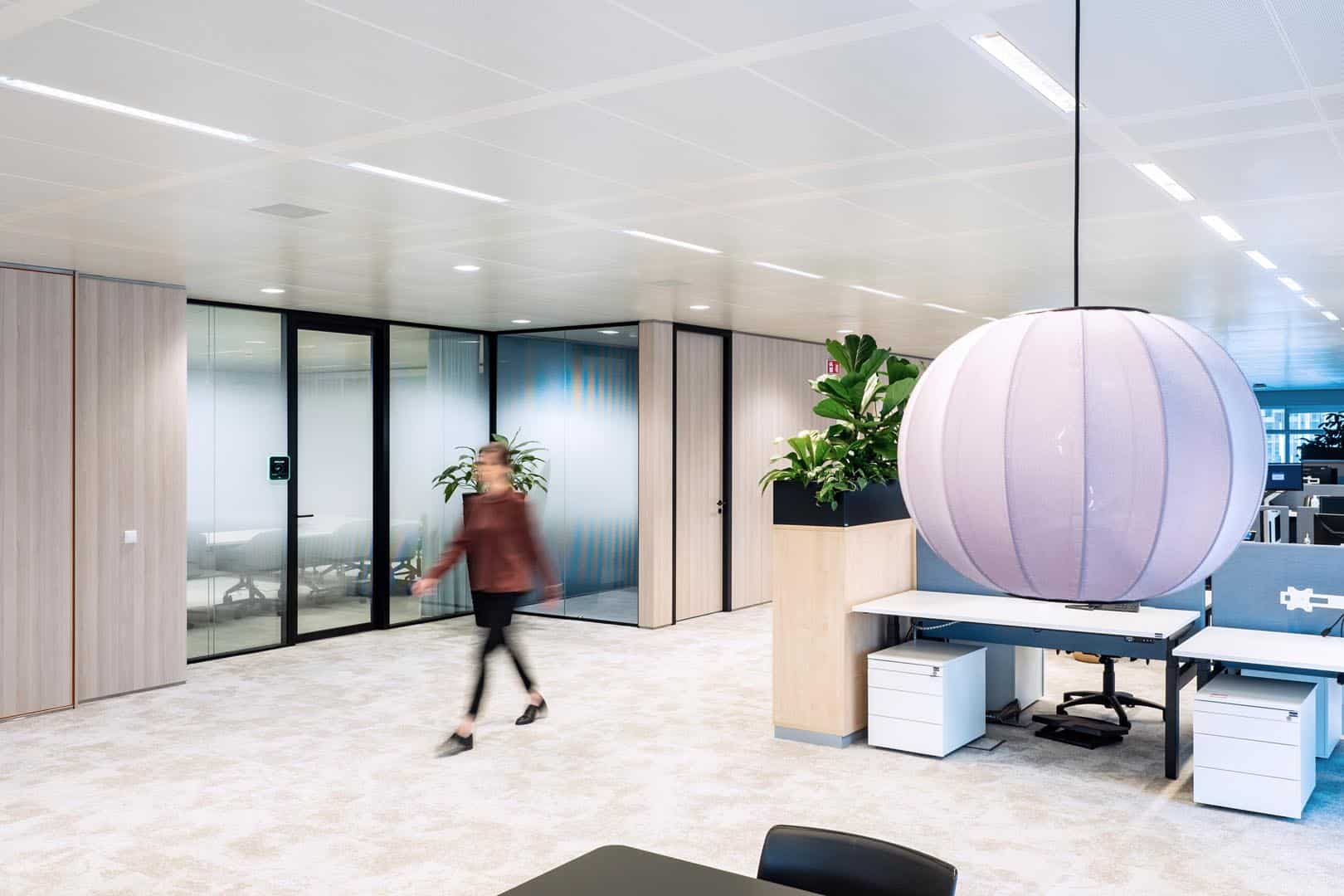
Frequently asked questions about sustainable office design
Hoe maak je een kantoor duurzaam?
Begin with awareness and analysis. Evaluate what you already have and what can be reused. Choose sustainable materials, invest in ergonomics, and work with partners who prioritize sustainability.
Read also: Sustainability in the office: how do you get started?
What are examples of sustainable materials?
FSC or PEFC certified wood, recycled metals, fabrics made from ocean plastic or old jeans, and natural materials such as bamboo or cork.
What is the difference between circular, reused, and recycled?
Circular: the product remains in circulation through reuse or adaptation. Reused: you use a product again as it is. Recycled: the product is processed into a new material.
Can I still reuse my existing furniture?
Certainly. Furniture can often be given a second life with a simple adjustment or refresh. Consider reupholstering, cleaning, or combining it with new furniture.
What does sustainable office design cost?
The investment depends on your choices. In the long term, sustainable solutions are often more cost-effective due to lower replacement costs and higher workplace satisfaction.
Why is sustainable design important?
It helps reduce your ecological footprint, contributes to the well-being of your team, and demonstrates corporate social responsibility to the outside world.
Time to make your workplace future-proof?
Ready to take steps toward a sustainable workplace? As a specialist in total office design and office furniture, PGA is happy to help you make your office more sustainable.
- Schedule a non-binding consultation with one of our advisors
- Visit a Concept Place and experience the difference
- Request an exploratory proposal tailored to your office
Sustainable working in the office starts here.