
What is the average cost of an office fit-out?
Category
Share on:
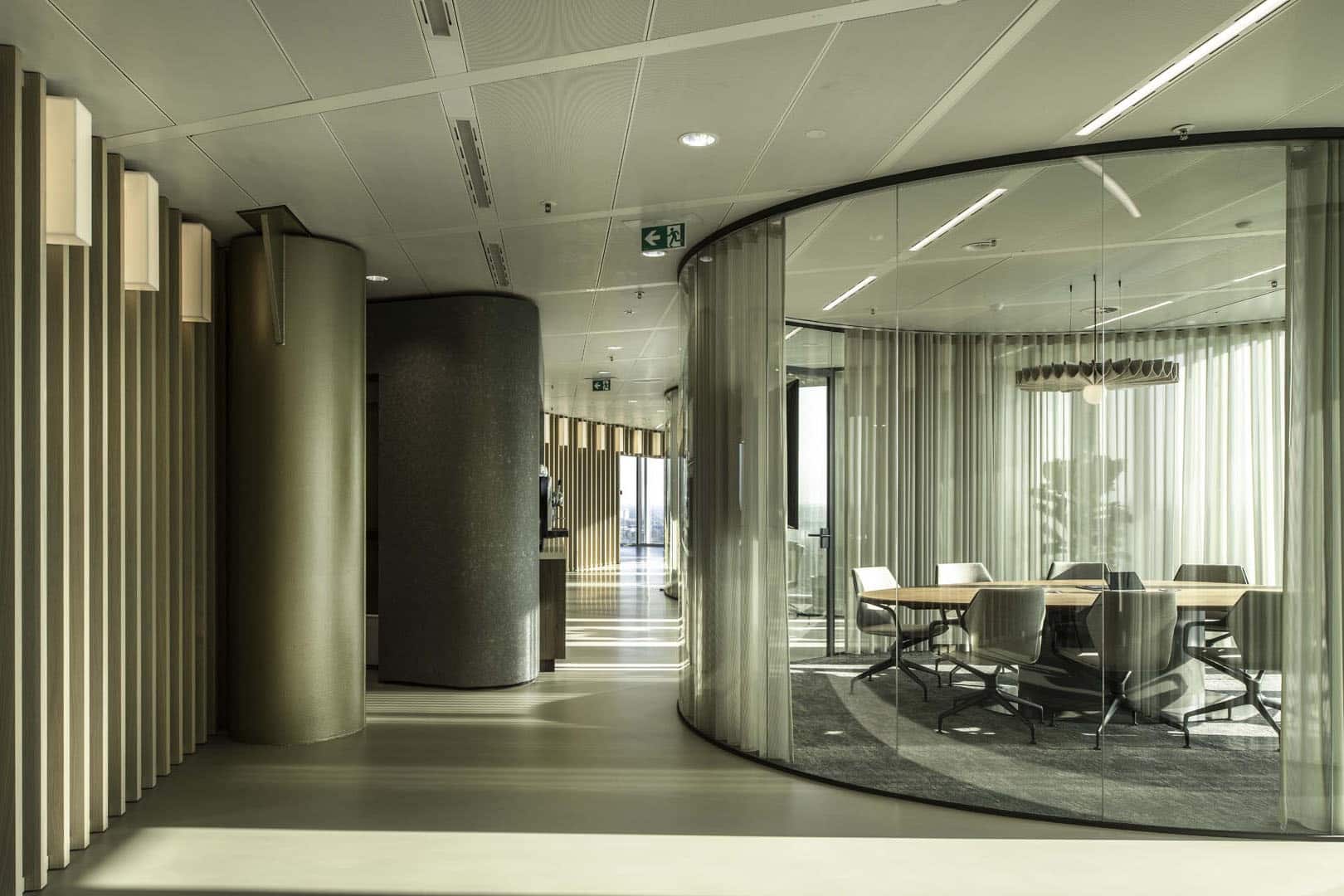
When planning a new office fit-out, the budget is often the first topic of discussion. This is logical. You are not just investing in furniture or a new floor, but in a place where people collaborate, focus, and grow ideas.
A well-designed workplace has a significant impact on how your team works and feels. But what can you realistically expect in terms of cost?
What does an office fit-out cost per m²?
The average costs for an office fit-out typically range between €X and €X per m² for a complete project, including design, space planning, furniture, technology, and finishing. This wide range exists for a reason. The difference lies in comfort, finish, ergonomics, technology, and customization.
A standard office fit-out with basic desks and chairs usually sits at the lower end of that range. If you opt for ergonomic workstations, better lighting, acoustic solutions, or custom-made furniture, the budget will naturally increase.
The price per m² is therefore primarily a guideline. How your team works, how much flexibility you need, and how intensively the space is used will ultimately determine the total costs.
Curious about what your office fit-out would cost? Please feel free to contact us for a customized quote.
The key cost factors in an office fit-out
The cost of an office fit-out depends on various factors. Every office is different, which means the budget can vary from project to project.
1. Office design and space planning
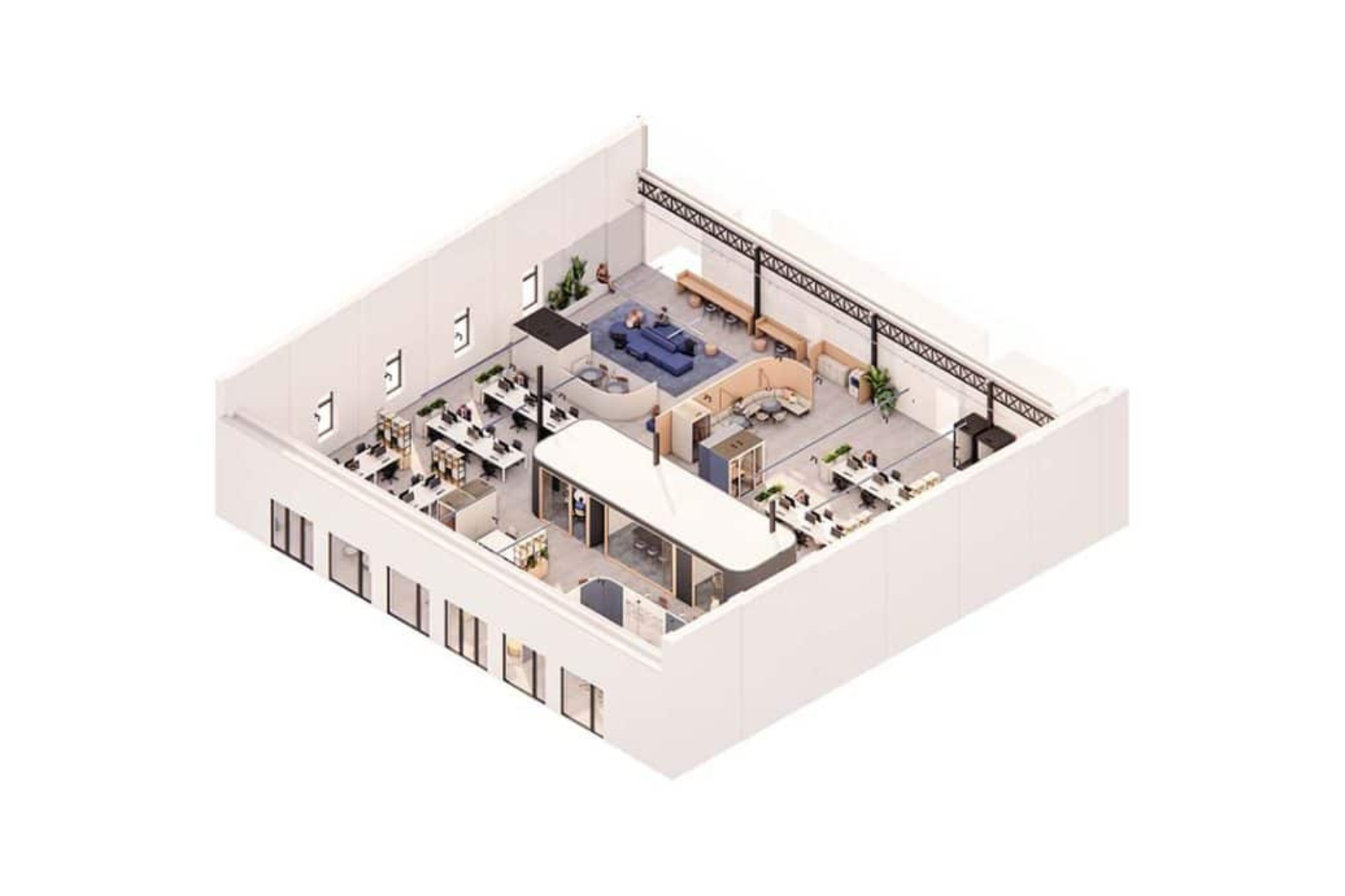
The office design has a major influence on the final costs. The way spaces are divided determines how many workstations, meeting rooms, and support zones are required.
A well-conceived office design takes into account how people work: where they collaborate, where they can focus, and where informal meetings take place. Thorough planning prevents the need for reinvestment later because the space does not function as expected.
The more complex the layout and the more customization required, the greater the impact on the budget.
2. Furniture
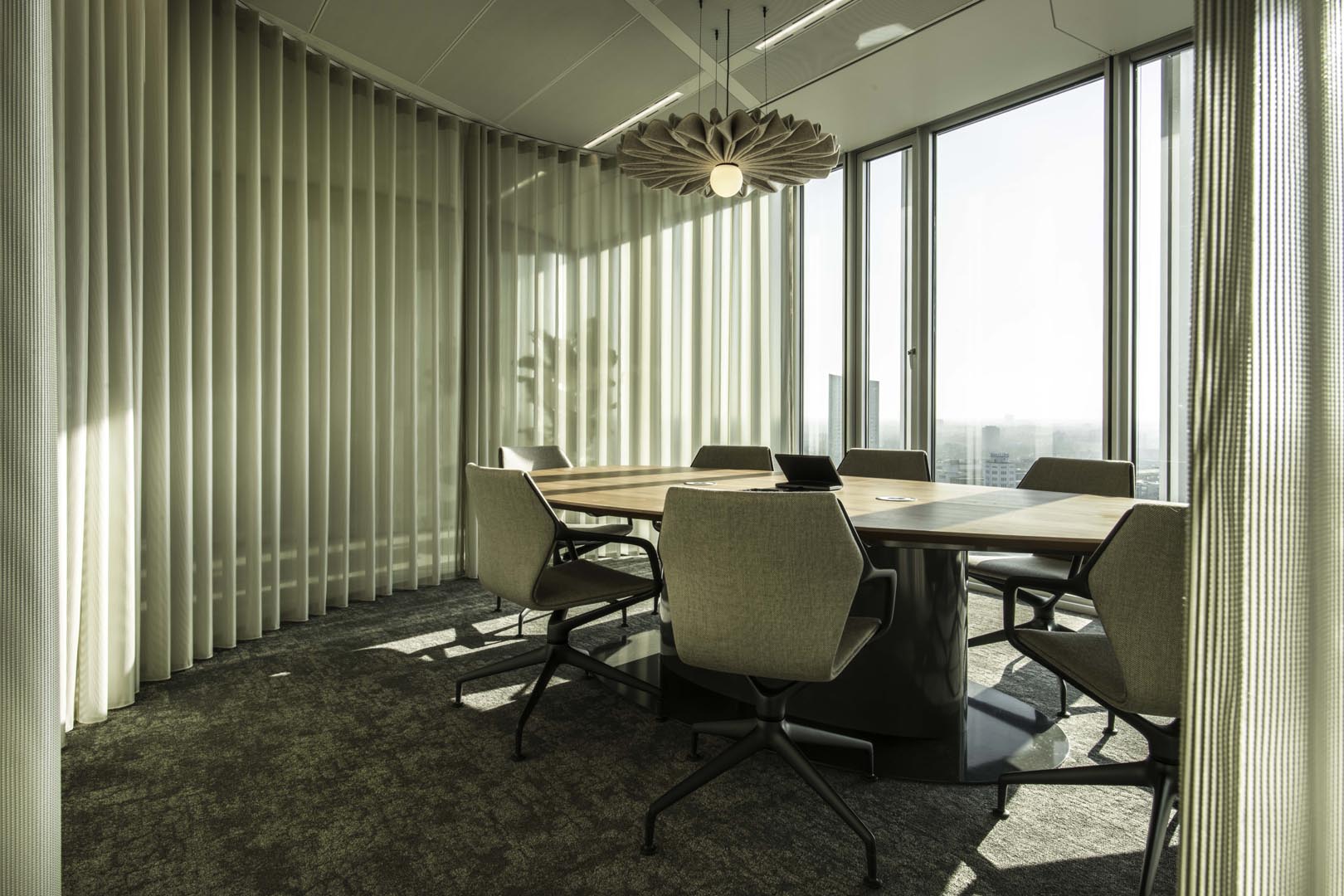
Office furniture usually represents the largest cost item in the total budget of an office fit-out.
The difference in price lies mainly in quality, finish, and flexibility. Simple desks and standard office chairs keep the investment limited. If you choose more robust furniture, modular systems, or custom pieces, the budget will increase.
3. Ergonomics and comfort
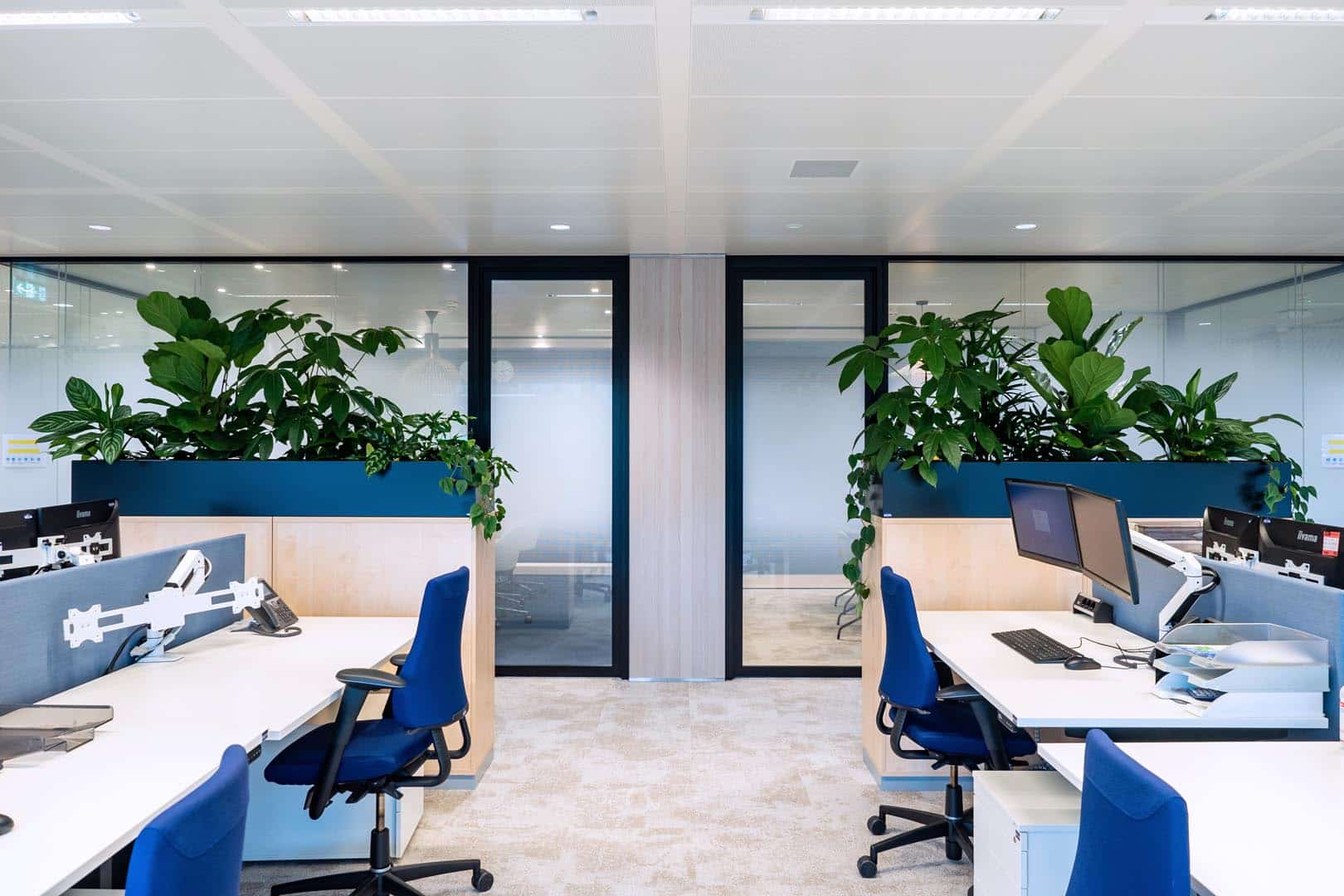
Ergonomics is about how a workplace supports the body throughout a full workday. When desks, chairs, and screens are properly aligned, employees can work comfortably without unnecessary physical strain.
Consider, for example, an adjustable desk that allows employees to easily switch between sitting and standing, an office chair with good lumbar support, and workstations that encourage movement throughout the day.
These choices sometimes require a slightly higher investment but often result in fewer physical complaints, more energy, and better concentration.
4. Technology and connectivity
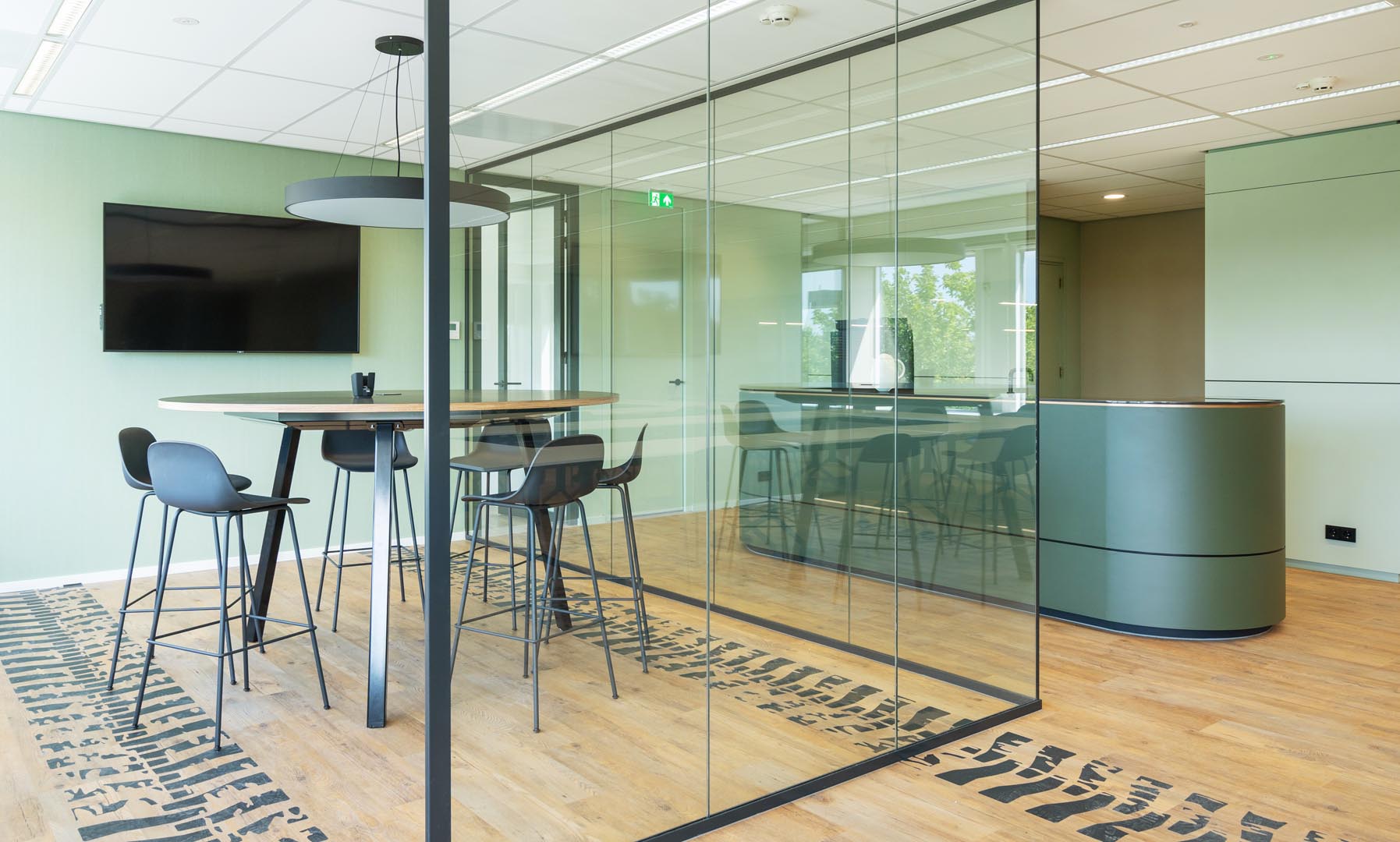
Technology is an essential part of a modern office fit-out today. This infrastructure also influences the total budget.
This includes, for example, meeting rooms with screens and video conferencing solutions, integrated cabling, power and data points at workstations, and a stable network throughout the entire office.
These facilities are often integrated during the design phase of the space. This ensures a tidy and user-friendly workplace, but also requires extra investment in installation, cabling, and equipment.
5. Renovation
When fitting out an office, it is sometimes necessary to first renovate the existing space. This is often where a significant portion of the budget is allocated. Interventions are frequently needed to ensure the space aligns with how teams work today. This can range from new paintwork or flooring to additional partitions or ceiling adjustments.
6. Atmosphere and decoration
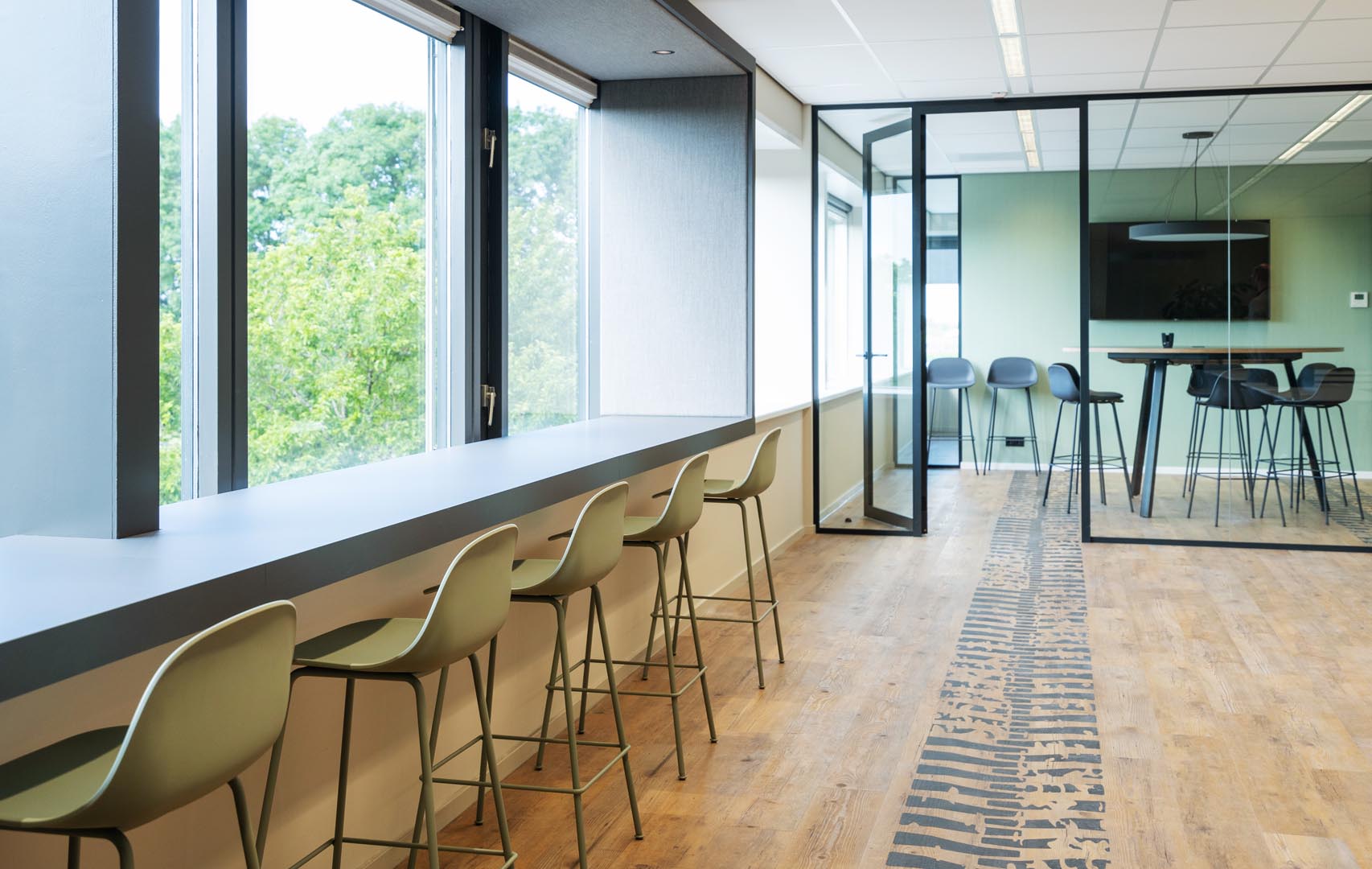
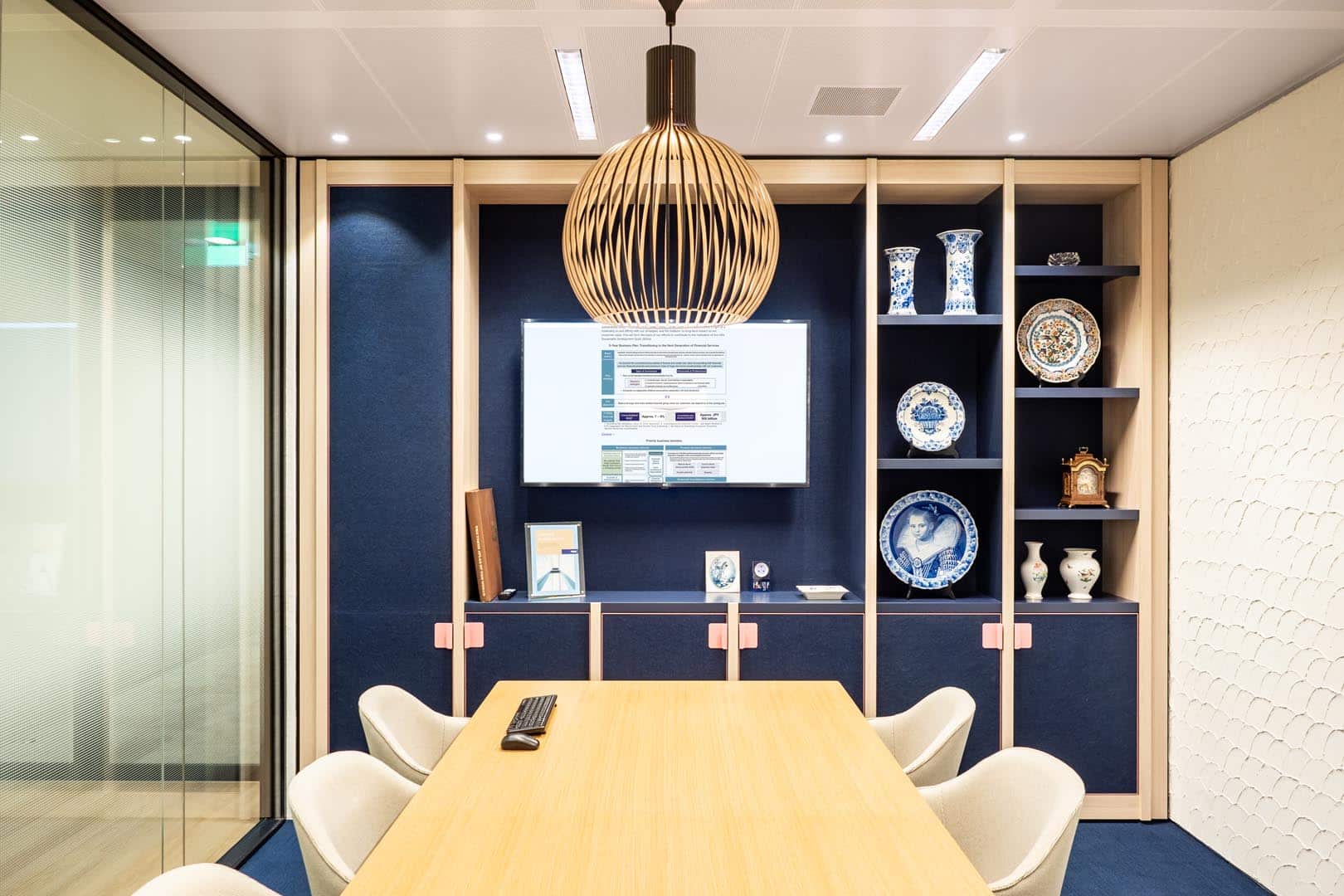
Finally, there are the elements that give an office true character. Think of plants, wall decoration, rugs, or other accents that make the space warmer and more personal.
These choices may seem less essential, but they often have a major impact on how an office feels. A well-thought-out design ensures that employees feel at home more quickly and that visitors immediately experience the company’s atmosphere.
In addition, there are often other factors that influence the final cost. Consider, for example, the size of the office space, the number of workstations, the desired flexibility of the layout, and the specific needs of the team.
Because every company works differently and has different expectations for its workplace, every office project is unique. As a result, the final investment can vary significantly from one project to another.
Saving smartly without regrets later
An office fit-out does not automatically have to be a heavy investment. With a few well-considered choices, you can keep the budget under control without compromising on comfort or quality.
Some ways to save smartly:
- Work in phases: not everything has to be perfectly finished from day one. Start with the workstations used daily and expand later with additional zones such as lounge areas or informal meeting spaces.
- Choose modular furniture: furniture that can be easily moved or adjusted remains useful as your team grows or the office layout changes.
- Combine new and second-hand: a mix of new and pre-owned furniture can provide a smart balance. It is better to buy items that are used intensively, such as office chairs, new. For items like cabinets or meeting tables, refurbished options can work perfectly.
- Think long-term: choose high-quality materials, timeless designs, and neutral colors that will still feel right in a few years. This keeps your office relevant for longer and prevents the need for quick reinvestment.
Frequently asked questions about office fit-out costs
Is an ergonomic office fit-out much more expensive?
An ergonomic office fit-out often requires a slightly higher investment, for example, for ergonomic office chairs or sit-stand desks.
However, the price difference does not have to be large. Moreover, ergonomic workstations often provide more comfort, fewer physical complaints, and better concentration. In the long run, this investment can pay for itself through a healthier and more productive team.
What is the lifespan of office furniture?
High-quality office furniture lasts an average of 10 to 15 years with normal use.
The lifespan depends mainly on the quality of the materials and how intensively the furniture is used. Timeless designs and sturdy constructions often remain usable for longer, even if the office layout changes later.
Can you save money with second-hand office furniture?
Second-hand or refurbished furniture can be an interesting way to keep the budget under control.
Many companies choose new office chairs and workstations, for example, because they are used intensively every day. For cabinets, meeting tables, or other less heavily used furniture, refurbished can be a good solution.
A smart mix of new and second-hand often provides the best balance between budget, comfort, and appearance.
Curious about what your office fit-out would cost?
Every workplace is different, and the same applies to the cost. The size of the space, the number of employees, the way of working, and the choices in furniture or finishes all play a role.
That is why we look at every project from your specific situation. We listen to how your team works, help think about the office layout, and translate that into a clear plan and a realistic budget.
Would you like to know what is possible within your space and budget?
Stay informed
- Trends, expertise, news, and tips.
- Make your workplace more productive, where every employee enjoys coming to work.
- Topics: corporate wellbeing, office furniture, and sustainability in the office.