
Practical tips for an inclusive office design
Category
Share on:
A workplace for everyone: Neuro-inclusive design
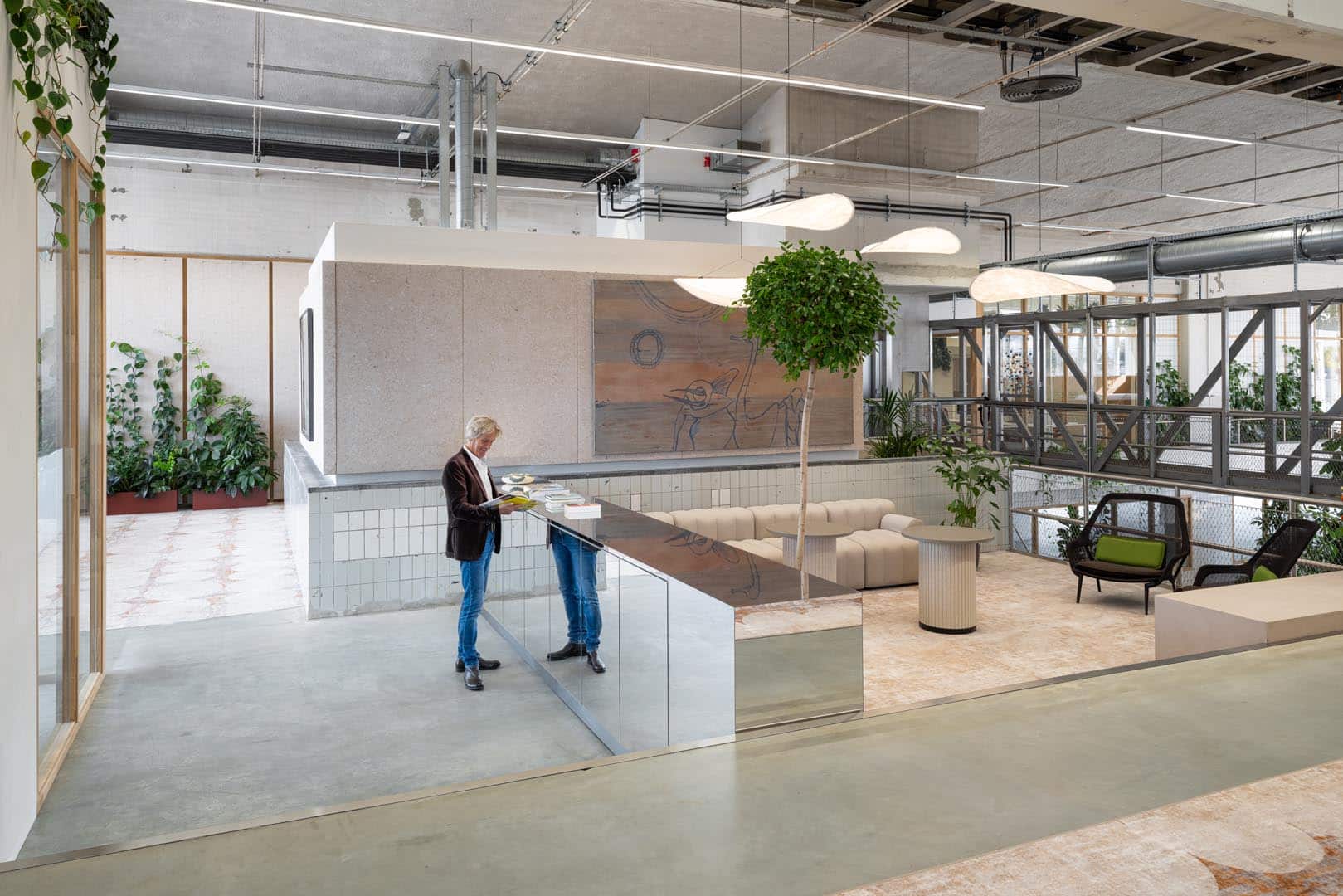
A well-designed workplace makes a world of difference, not only for neurodivergent employees but for everyone. Employees with autism, ADHD, or other neurodivergent traits often experience certain choices in office design more intensely. They are therefore the first to react to an office’s bottlenecks. That is why it is important to provide spaces that make the work environment more comfortable. Consider calming spaces, good sound insulation, and the opportunity to take breaks in silence. These elements do not only benefit neurodivergent employees; they also ensure a reduction in distractions while creating an environment that promotes focus and productivity for the entire team. The workplace of the future is one where there is room for flexibility, rest, and concentration for all employees.
Acoustics and sound
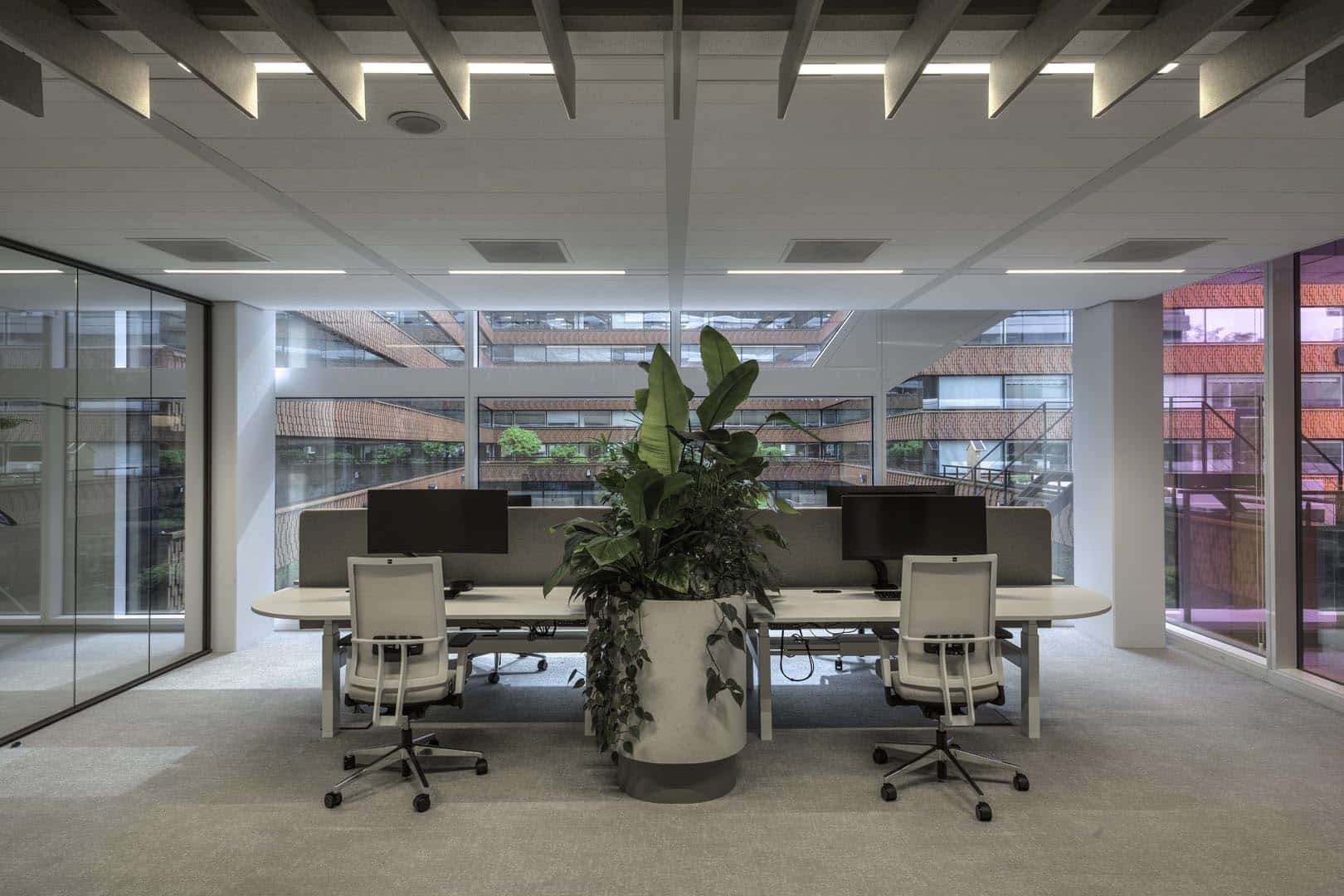
Noise pollution is one of the biggest distractions in the office. This can be disruptive for anyone, but for neurodiverse individuals, it is often an additional challenge. Sound-absorbing materials such as acoustic panels, carpets, and special ceiling solutions help to reduce disruptive echoes and noise. Additionally, it is important to provide quiet work zones where employees can concentrate without distraction. Noise-cancelling headphones can also offer a solution in this regard.
Office design and privacy
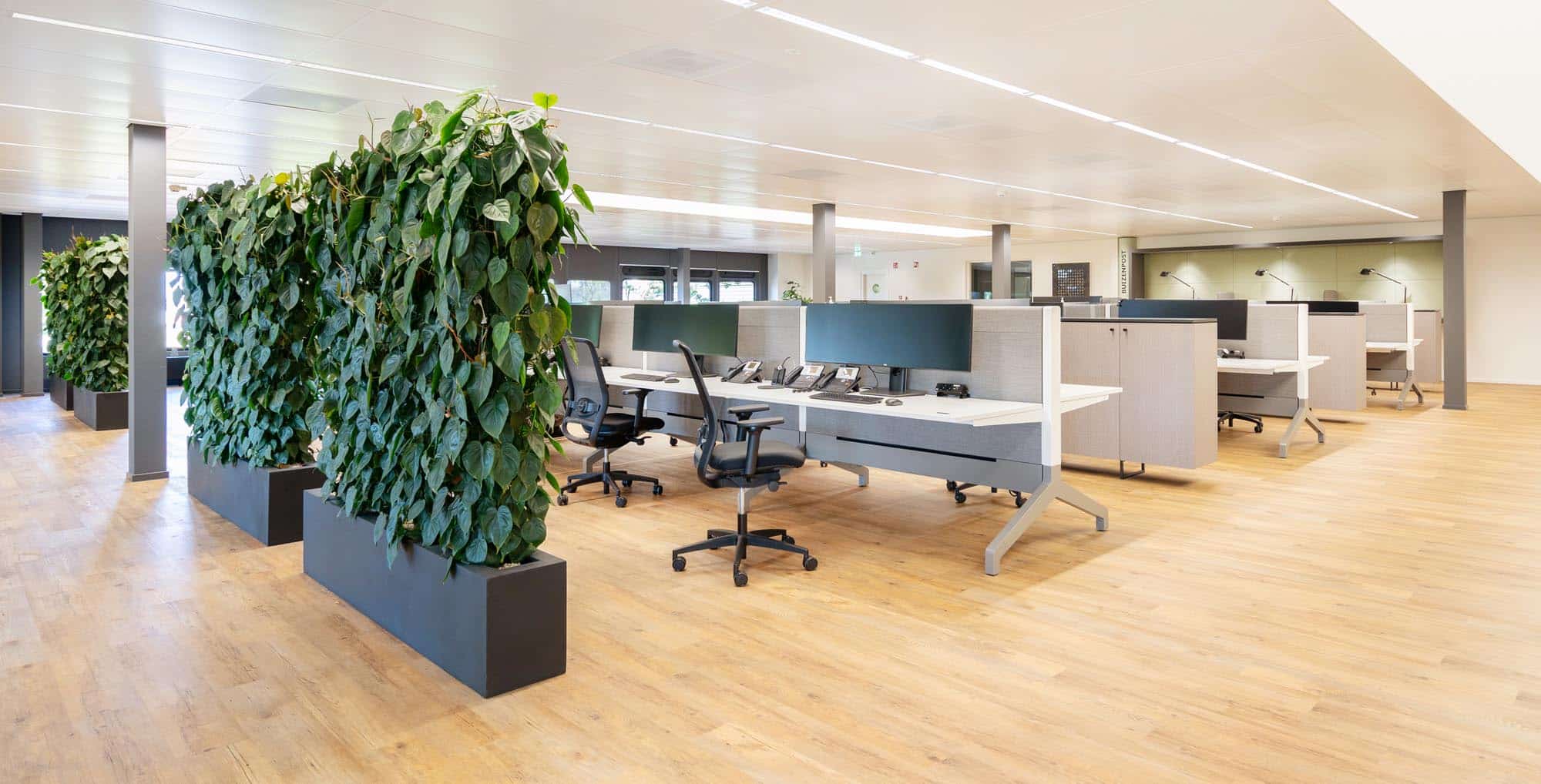
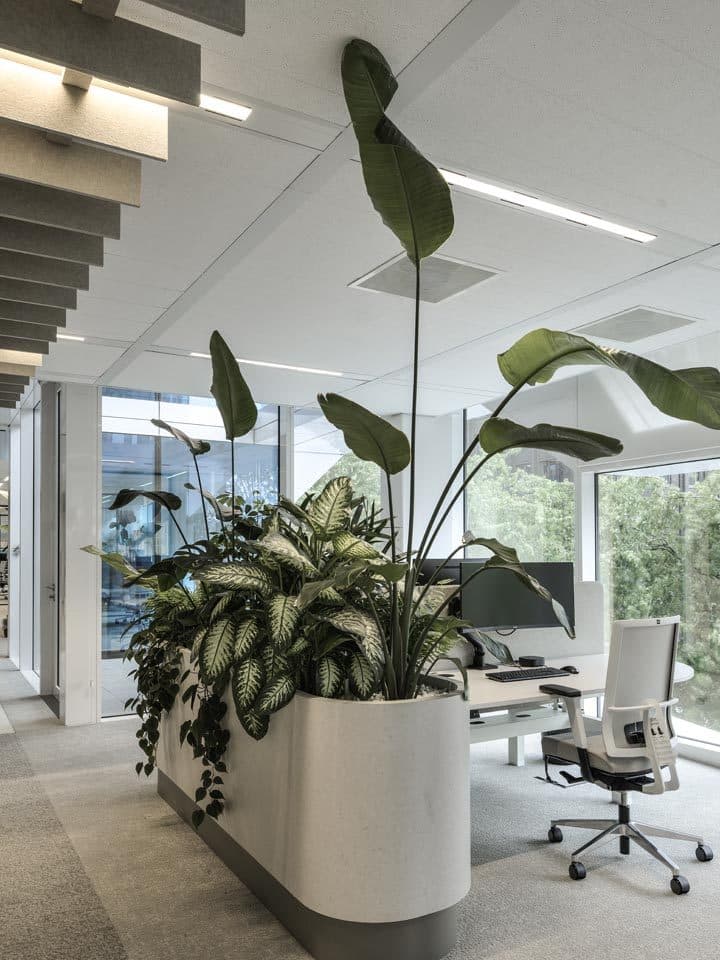
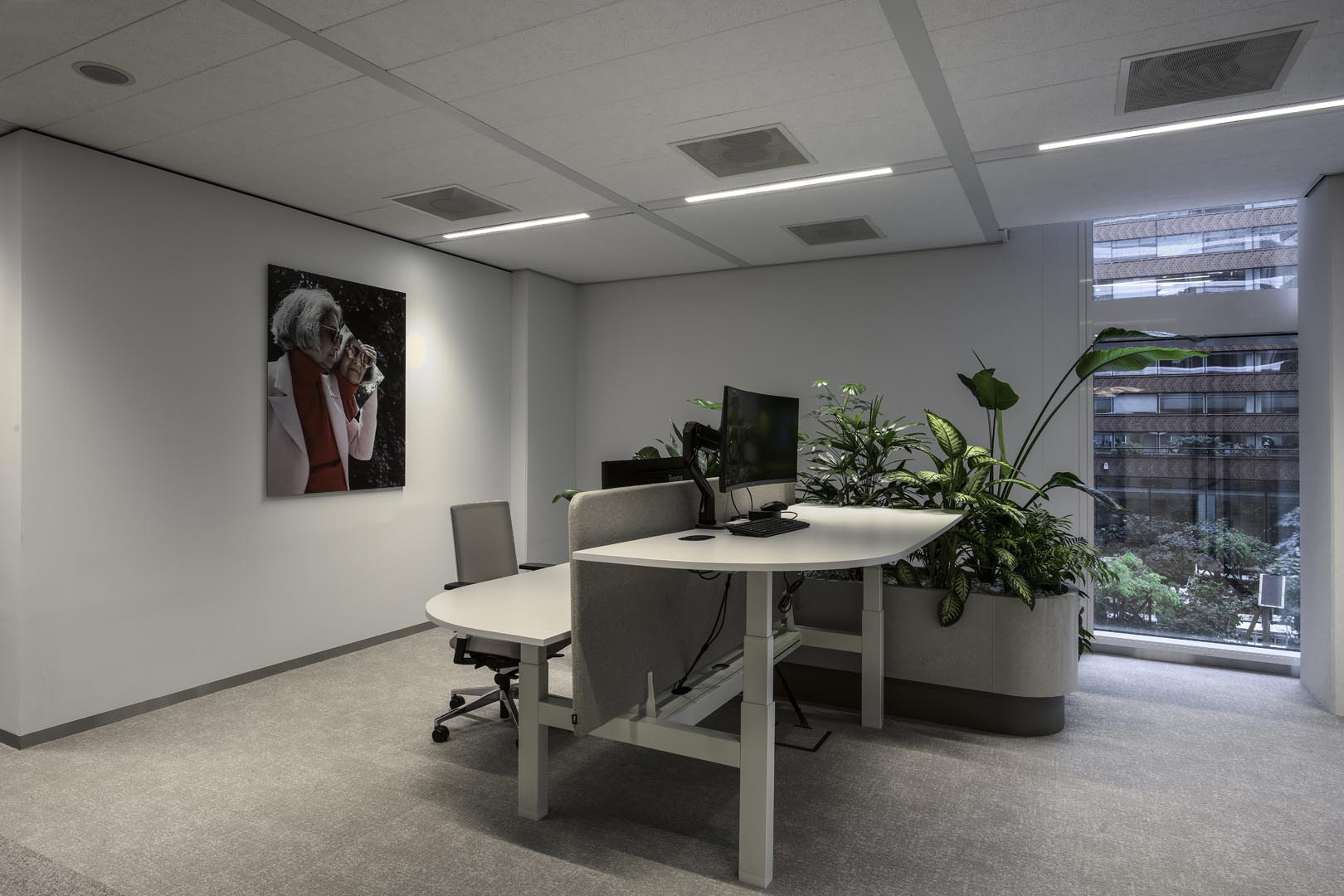
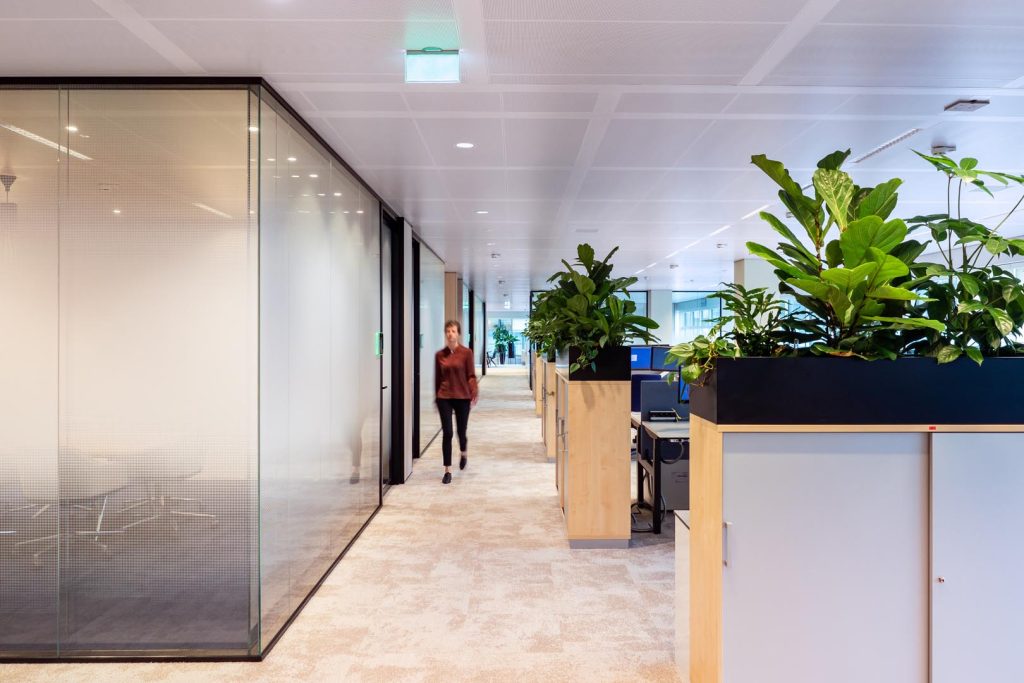
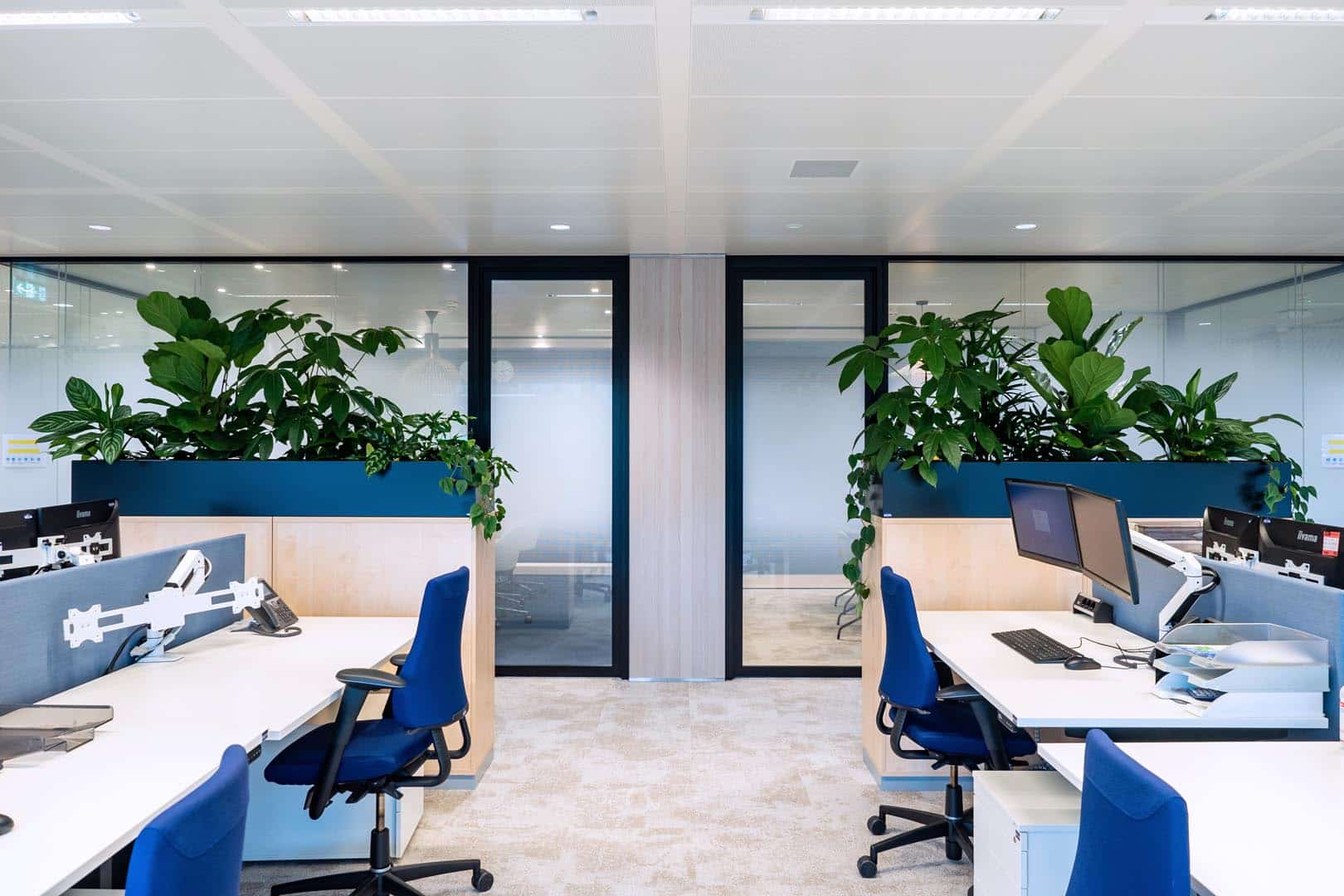
The design of an office can have a major influence on how employees feel and perform. For many employees, it can be pleasant to experience a sense of privacy and security. This can easily be achieved by using partitions, such as planters, bookshelves, or soundproof panels, which divide the office into smaller zones. In this way, a ‘cocoon’ can be created in which employees can concentrate without distraction. Furthermore, some people prefer to sit with their back to a wall rather than in an open space, as this gives them a sense of safety and control. It is important to respect these preferences, as they contribute to a work environment where everyone feels at ease and can function optimally.
Relaxation and recovery moments
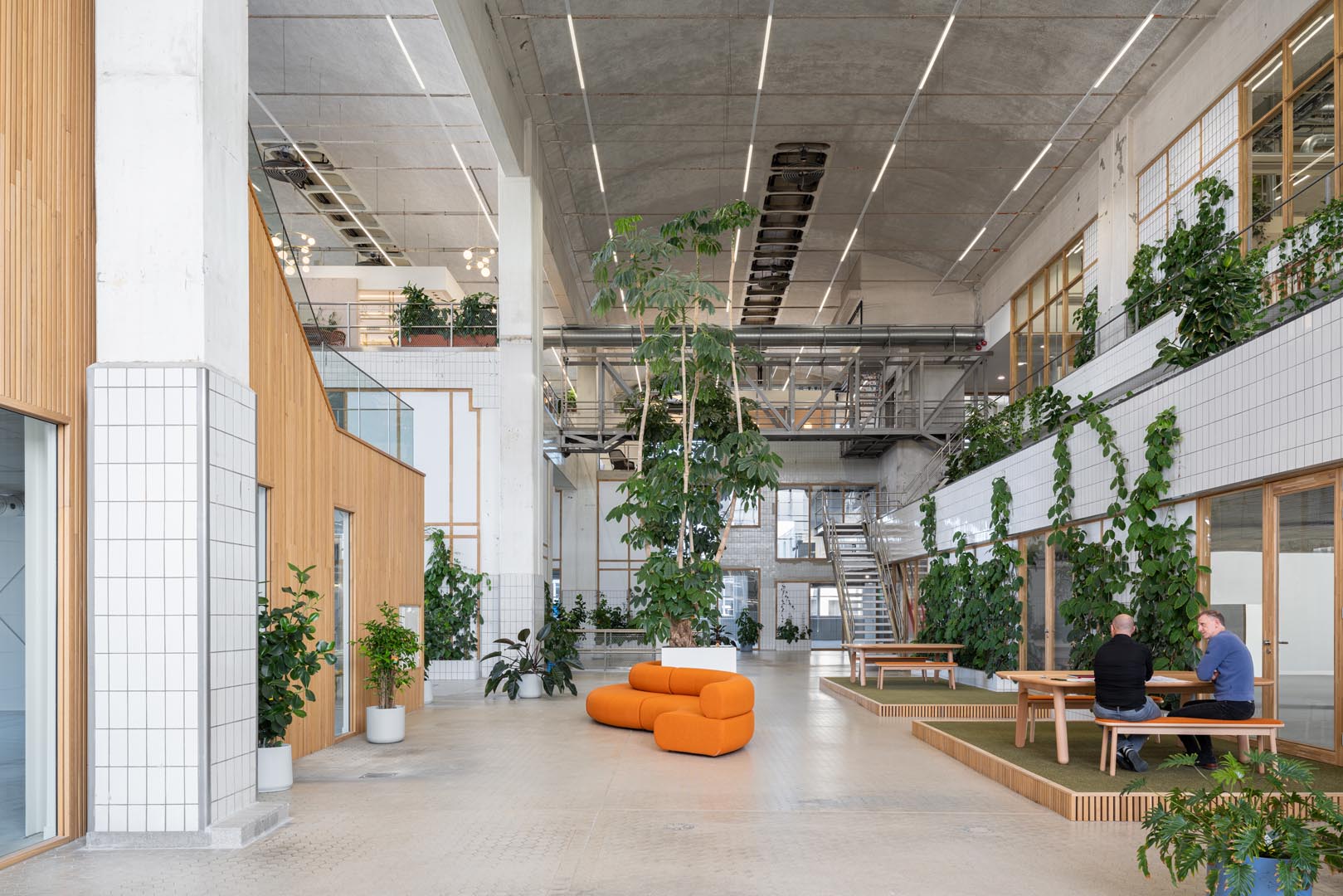
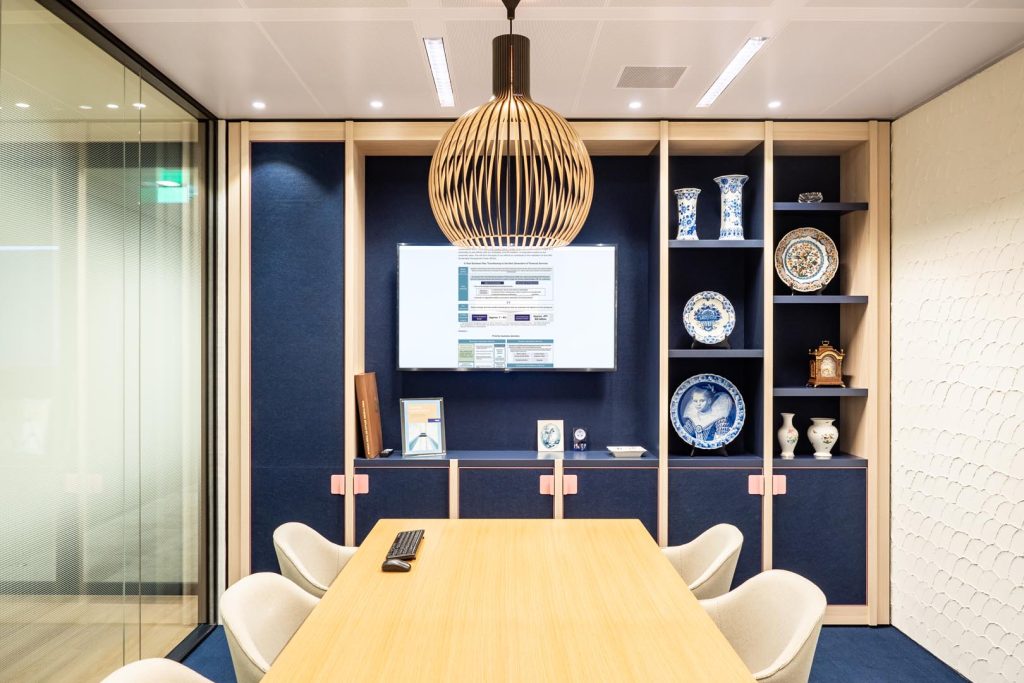
An important aspect of a productive workday is the ability to take breaks when necessary. For employees who become overstimulated easily, it is essential to have the option to spend time in peace or alone. This can be done, for example, in a quiet room or a lounge area where one can retreat for a moment. Green zones with plants not only provide a pleasant atmosphere but also have a calming effect. This not only helps to relieve tension but also offers the chance to clear one’s head.
Furthermore, it is valuable to have the opportunity to step outside during lunch. Taking a short walk in the fresh air can provide new energy, reduce stress, and ensure better focus in the afternoon.
Organized and tidy spaces
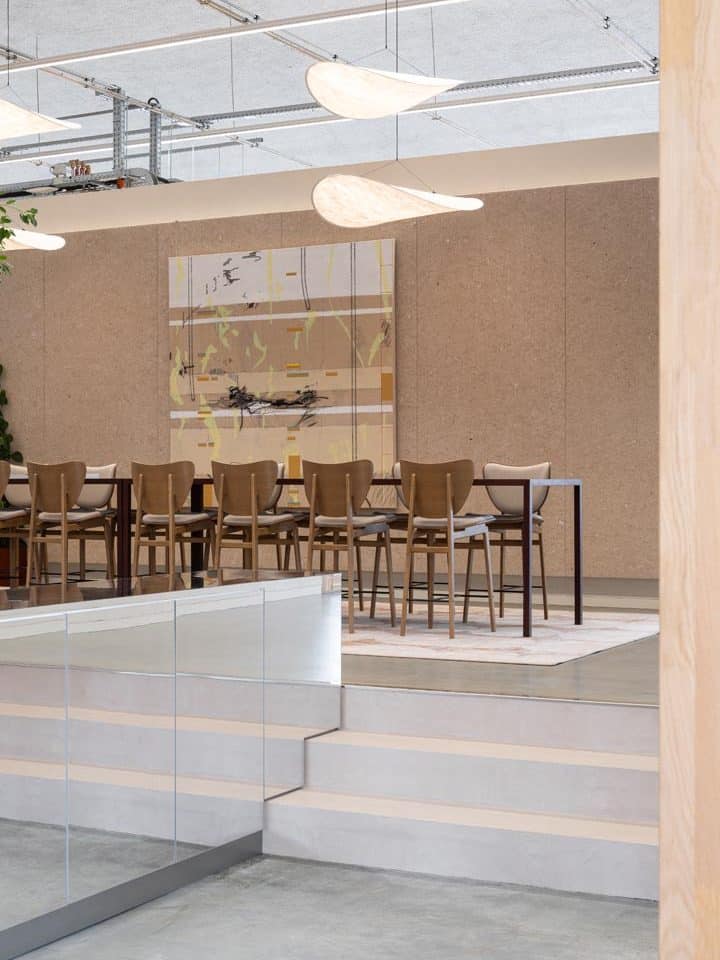
Minimalism in office design can work wonders for the concentration and well-being of employees. Ensure sufficient storage space to avoid clutter and keep the workplace organized. Simple desks without many visual distractions help promote focus and calm. Applying the ‘clean desk‘ principle, where the workplace is left clean and tidy at the end of the day, also contributes to a clear mind. A clean workplace not only provides more peace but also reduces the chance of distraction, allowing employees to concentrate better on their tasks.
Opportunities for movement
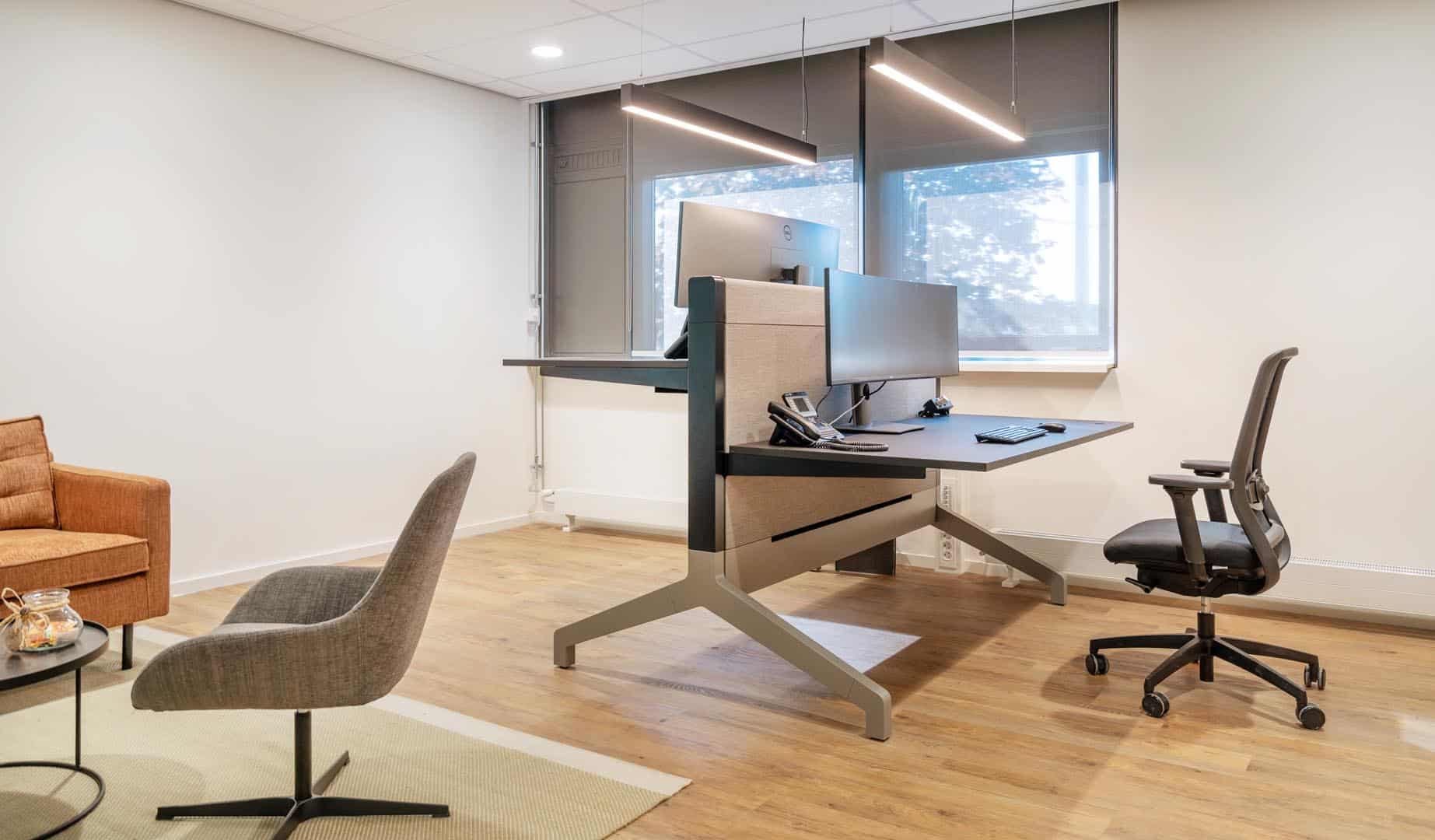
Adjustable desks: Offer employees the option to switch between sitting or standing. This can not only be more ergonomic but also help in regulating energy and focus.
Standing or walking meetings: Organize meetings where employees can participate while standing or walking. This helps to increase energy and can promote concentration, especially for people who have difficulty sitting for long periods.
Space for movement: A space where employees can move or stretch for a moment can work wonders for mental focus.
Flexibility and freedom of choice
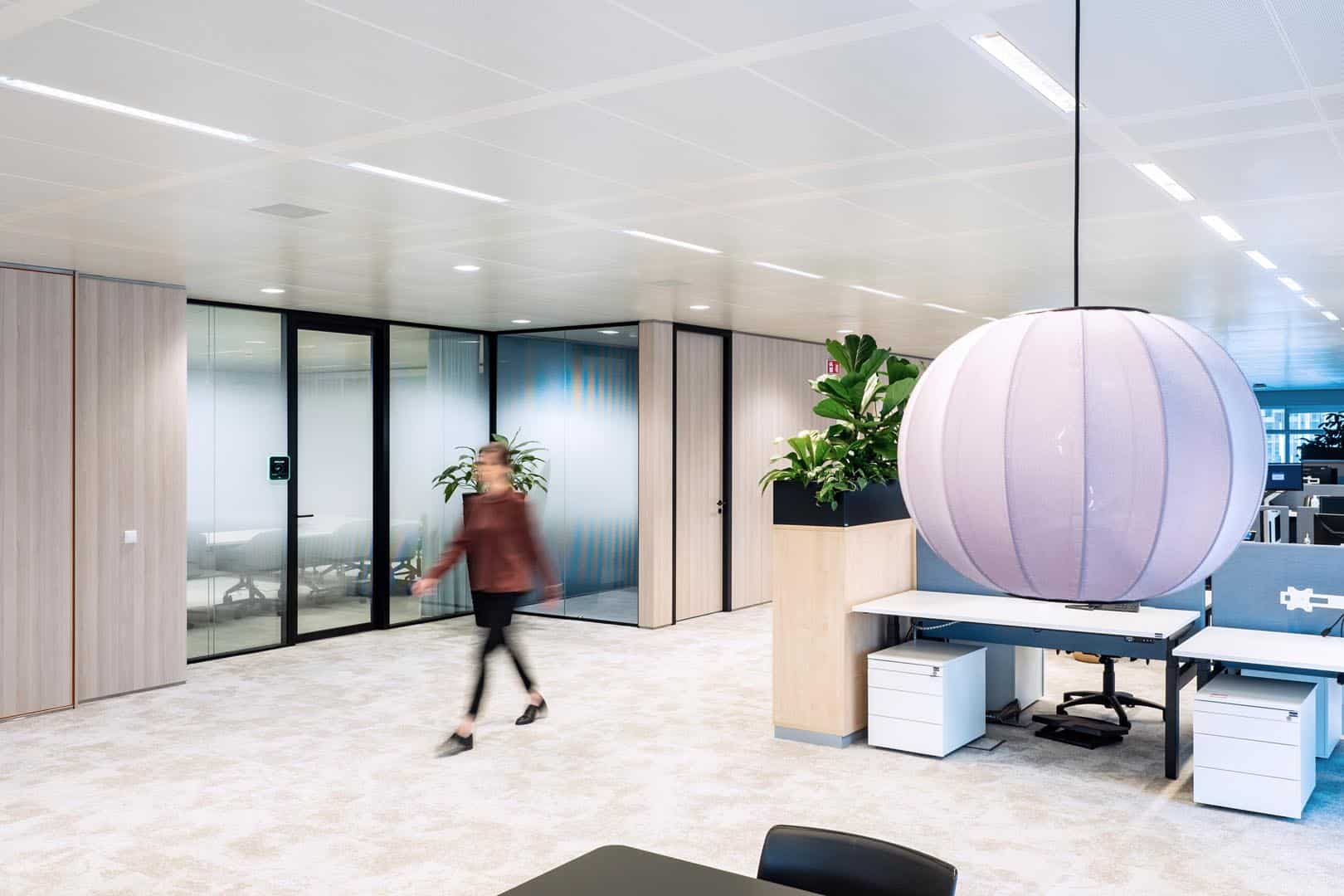
Not everyone functions best in the same way. Therefore, it is important to offer diverse workstations. Some employees benefit from an open workspace for collaboration, while others feel better in a focus room or quiet zone. By designing workplaces flexibly, everyone can create an environment that suits them.
An inclusive workplace for everyone
Creating a workplace that takes the needs of neurodiverse employees into account is not only a good move for those employees but also improves the work environment for everyone. Small adjustments such as offering quiet spaces, the possibility to take breaks, or creating more privacy can contribute to a more productive, healthier, and more pleasant workplace for everyone. It is therefore not just a matter of inclusion for neurodiversity, but of increasing the well-being of your entire team. If we work towards a work environment that benefits everyone, we create an environment that fits the working conditions of the future.
Would you like to adapt your office for more comfort and productivity?
Please feel free to contact us for free advice.
Do you have a question or would you like to schedule a meeting? Please leave your details below and we will contact you as soon as possible.
Stay informed
- Trends, expertise, news, and tips.
- Make your workplace more productive, where every employee enjoys coming to work.
- Topics: corporate wellbeing, office furniture, and sustainability in the office.