
How do you design an office space? A step-by-step guide to thoughtful office design for businesses
Category
Share on:
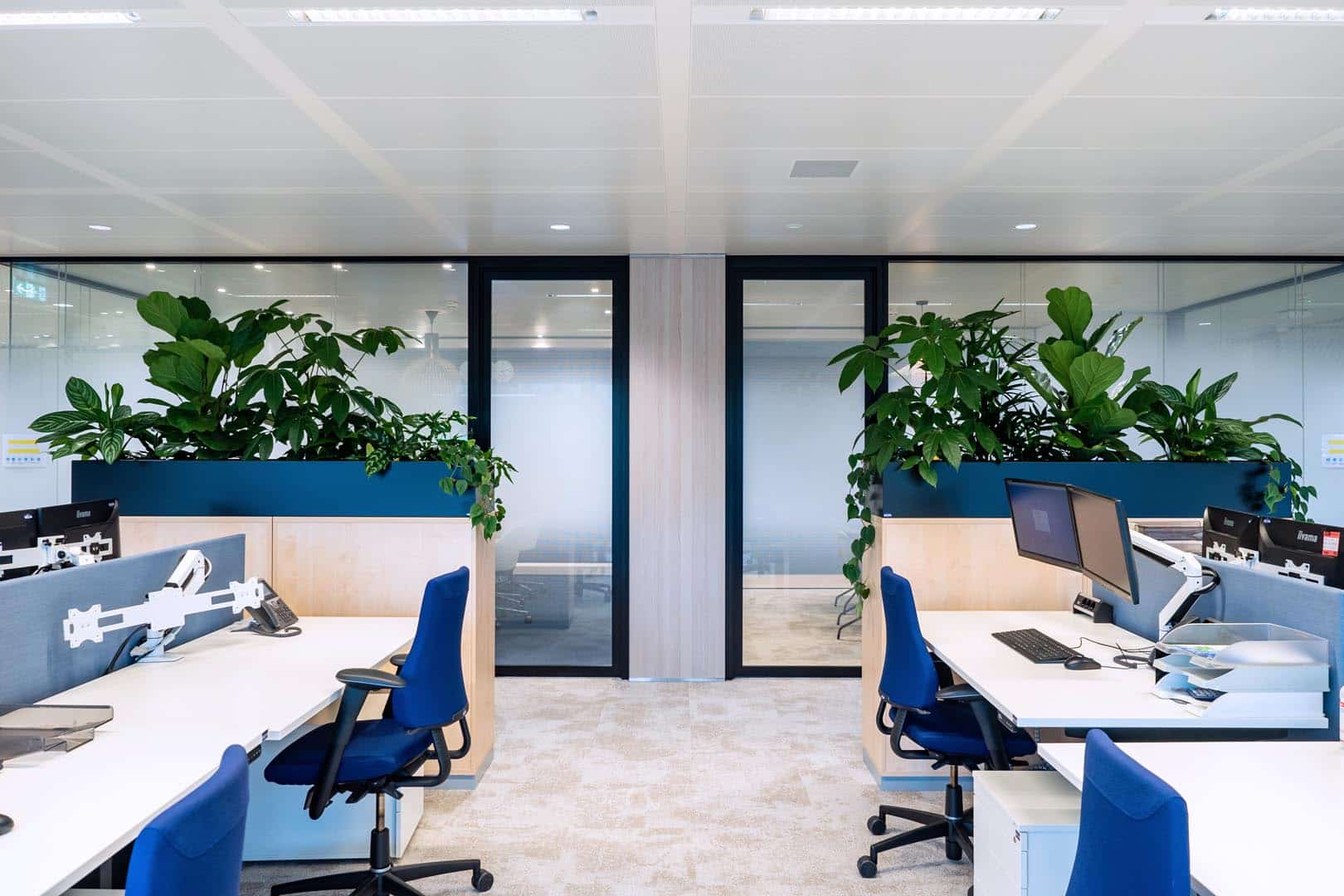
Designing an office is much more than just setting up desks and hoping for the best.
You notice it immediately when a space has been well thought out. People find it easier to focus. Consultations happen more spontaneously. The energy is right. And visitors also feel the difference as soon as they step inside. How do you approach this concretely? We will take you step by step through the most important points of attention for designing your office space in a thoughtful, efficient, and future-oriented way.
Why good office design is not a minor detail for businesses
A thoughtful total office design has an impact on several levels:
- Productivity: a logical layout, sufficient peace, and the right workstations ensure that people work more smoothly and are less distracted.
- Well-being in the workplace: comfort, lighting, acoustics, and ergonomics determine how people experience their day at the office. They help people stay fresh, from the first coffee until well after 4:00 PM.
- Professional image: your office is often the first thing clients, partners, or candidates see. A thoughtful design radiates confidence and care. Even before the first conversation begins.
- Your company’s image: how your workplace feels says a lot about who you are as an organization. About how you handle people, collaboration, and growth. Your image is not just in your branding, but also in your space.
A good office design is therefore not an extra. It is a smart foundation that you build upon every day.
Step 1: start with how your team works
Everything starts with one simple question: how is work done here? Is this primarily a place for focus, for consultation, or a mix of both? And how many people work here at the same time, today and tomorrow?
By first analyzing the space and creating a floor plan, you quickly gain insight into what is possible. Where are the windows and passages? Where is peace needed, and where can it be more dynamic? This lays the foundation for a logical office space layout. Also consider movement. Logical walking routes ensure that people move smoothly through the office without disturbing colleagues who need to focus. To the coffee, the printer, or a meeting, without detours or unnecessary bustle.
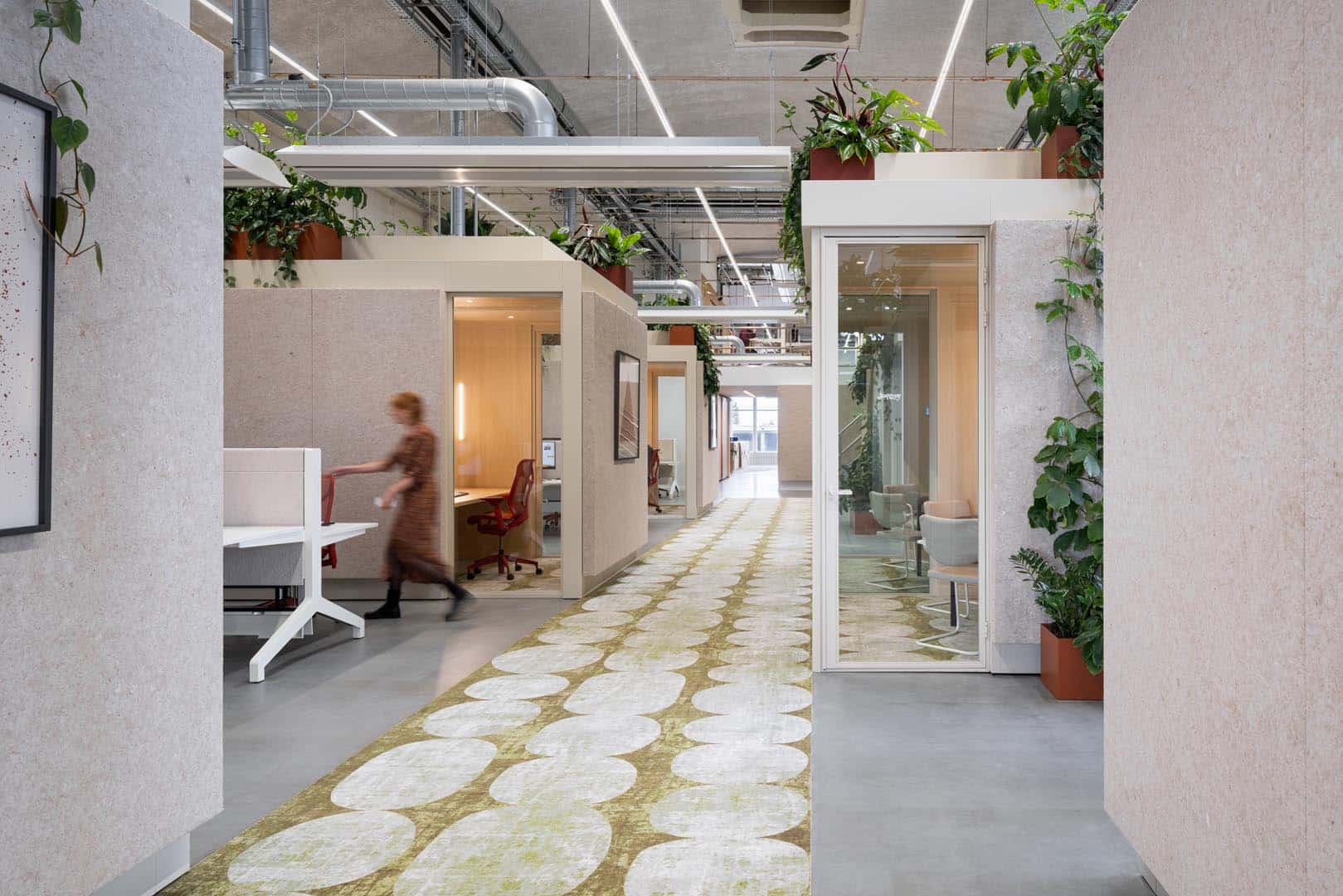
You design an office together with the people who work there
That is why we often work with a short employee survey. This allows employees to share their own needs and wishes regarding the workplace. This input helps to design an office that truly aligns with how people work daily.
Step 2: the right place for every type of work
A good office consists of different areas, each with its own role. By consciously creating zones, you help people switch smoothly between focus, consultation, and relaxation. This makes working not only more efficient but also more pleasant.
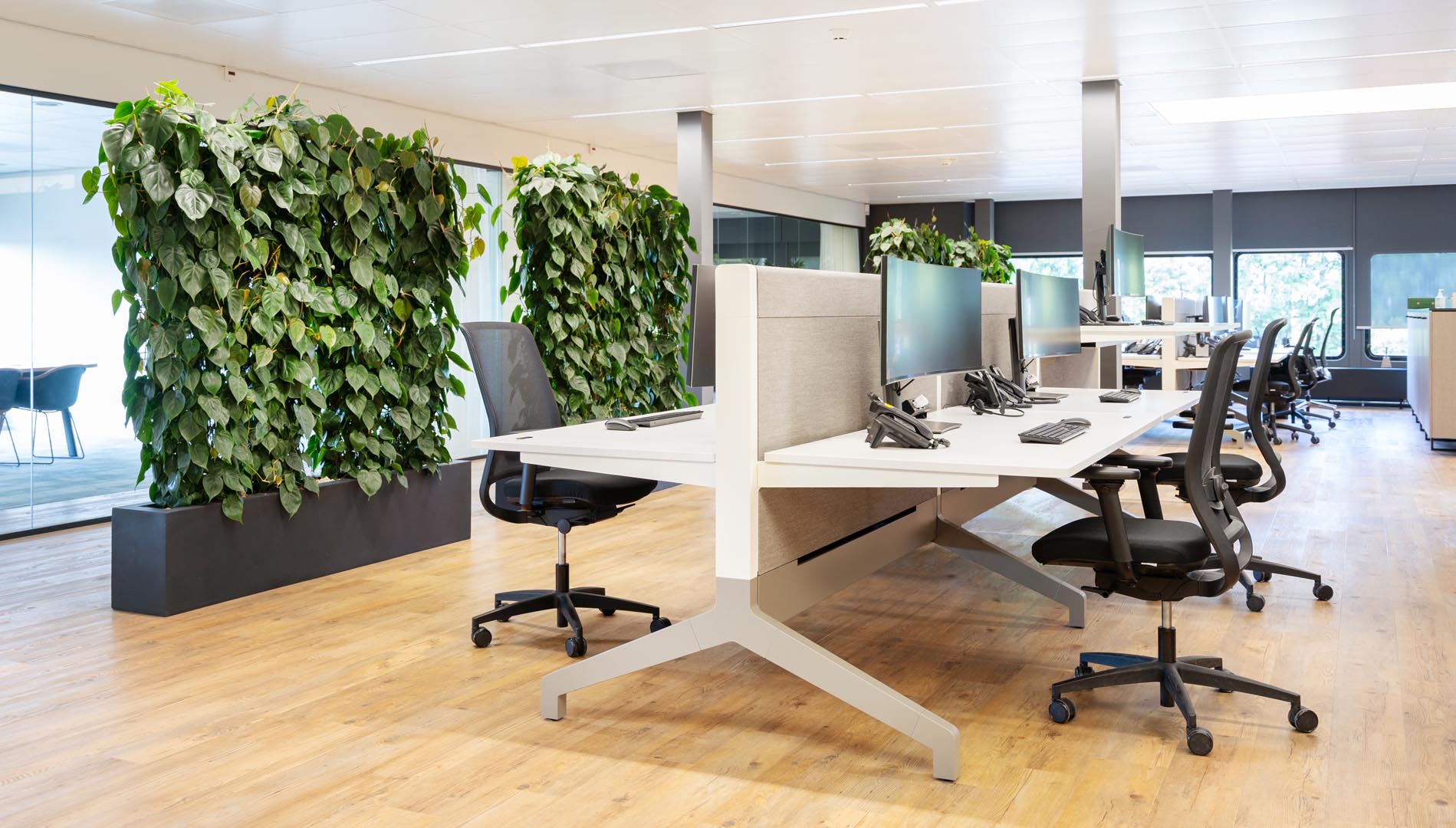
1. Work zones: fixed or flexible
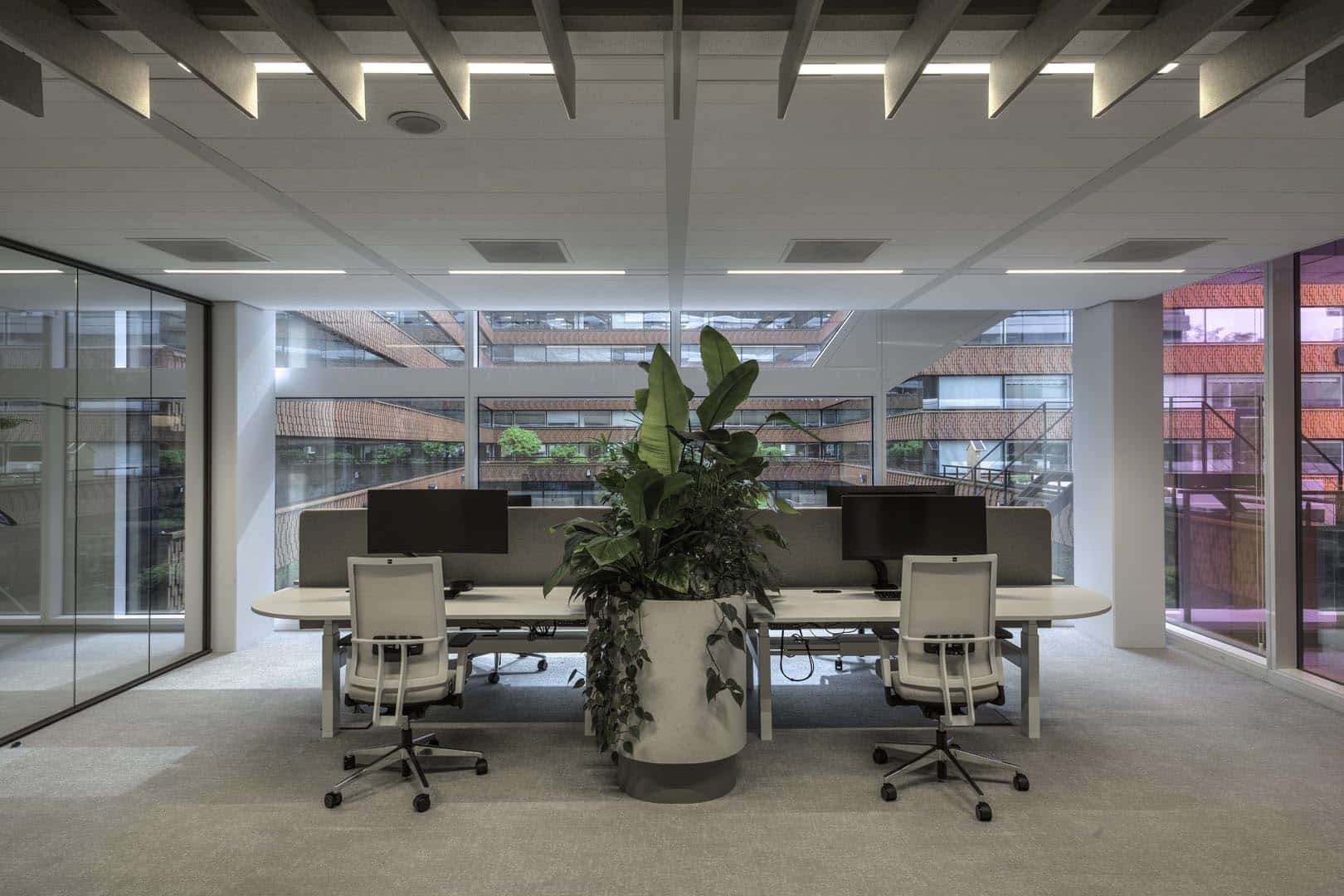
Fixed workstations provide peace and stability, especially for teams that collaborate closely or are in the office daily. Flexible workstations are better suited for hybrid working. You choose your spot according to what you need that day: focus, consultation, or creative thinking. In many offices, a combination works best.
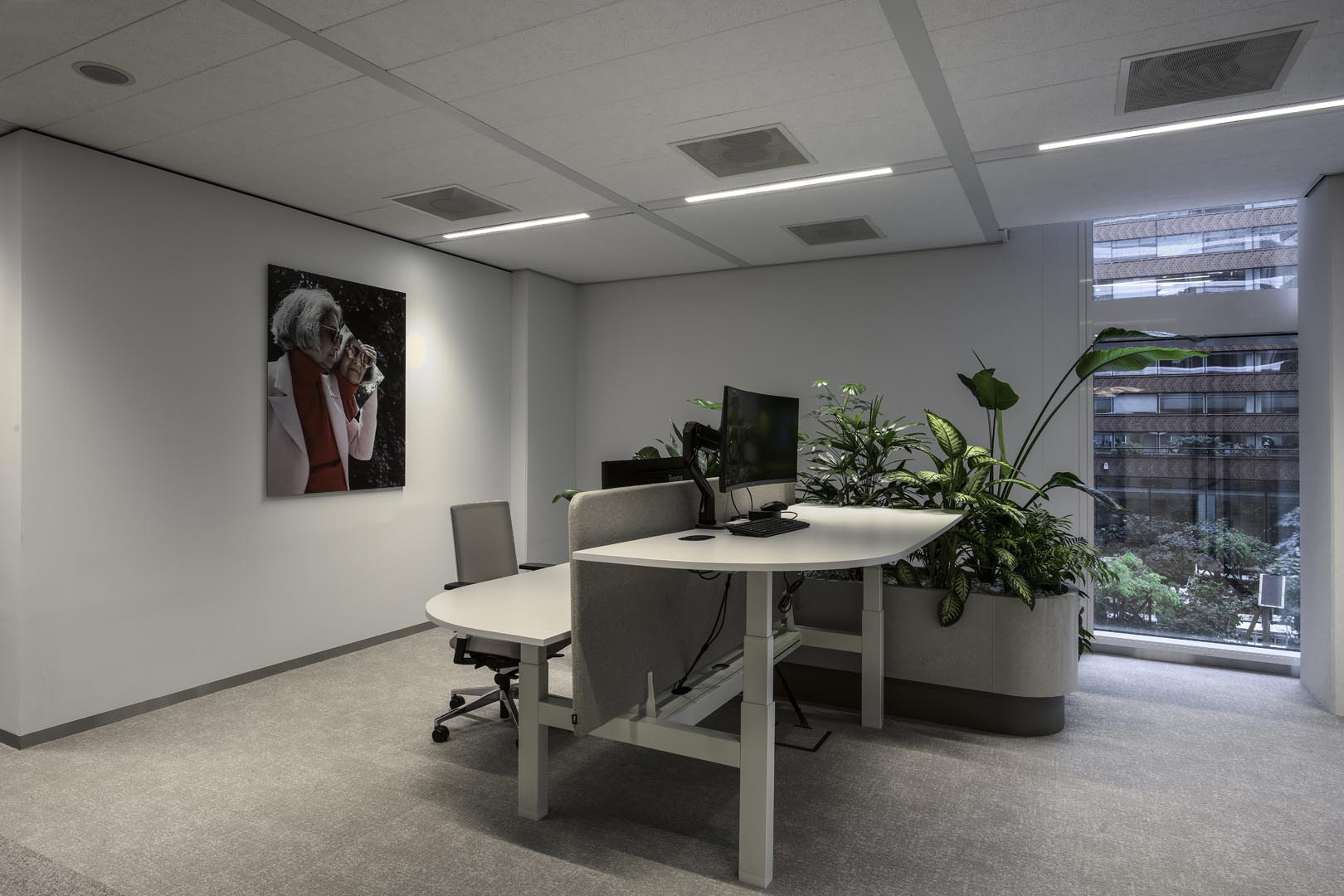
2. Focus areas
Not every moment is for consultation. Focus areas are for concentrated work, away from foot traffic and background noise. Think of quiet zones, enclosed spaces, or a phone booth for those who want to make calls or video calls undisturbed. They provide peace of mind and often lead to better results.
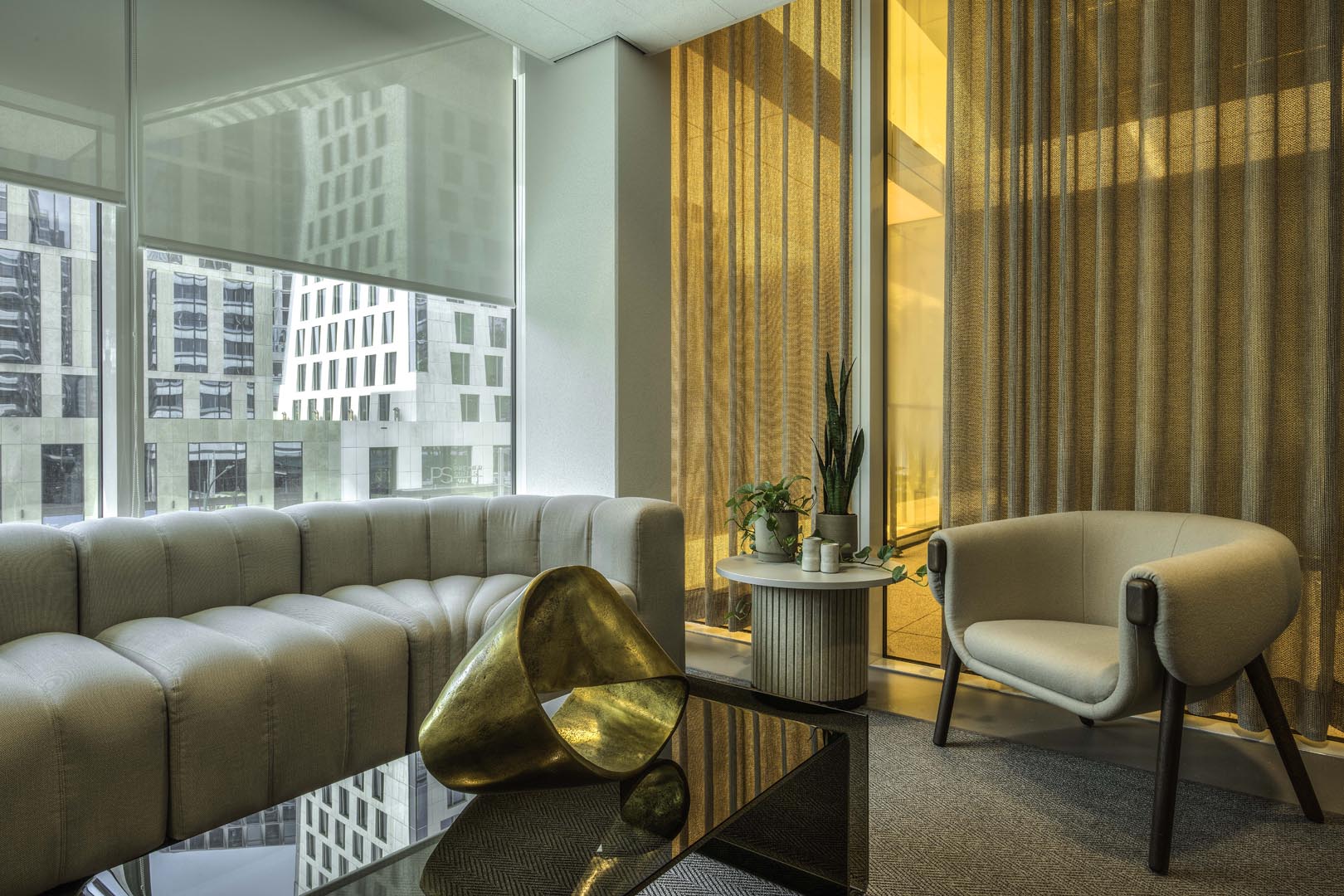
3. Connection zones
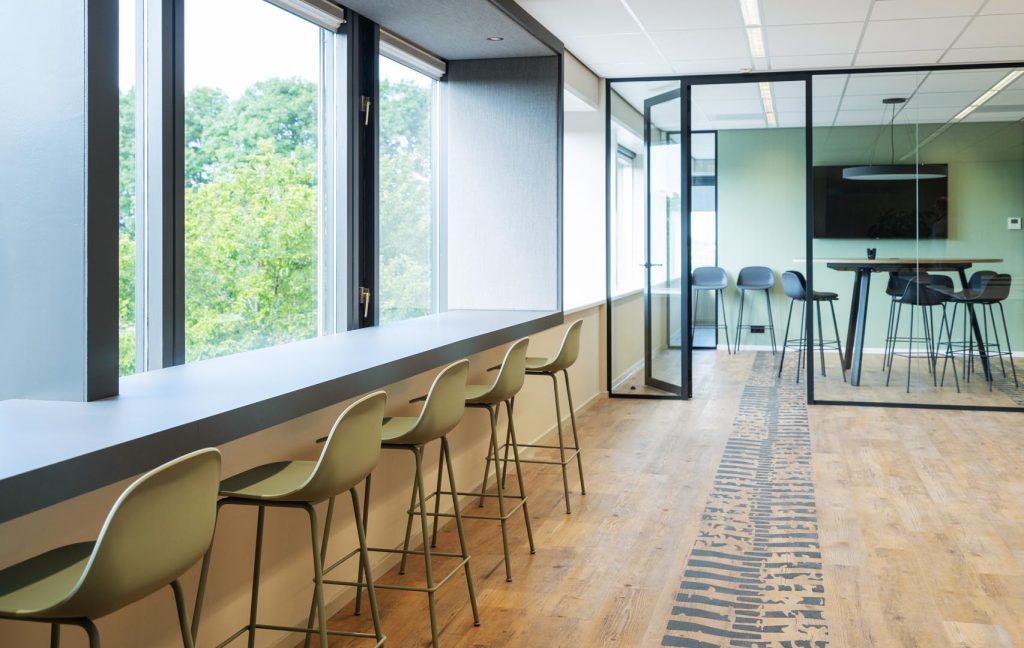
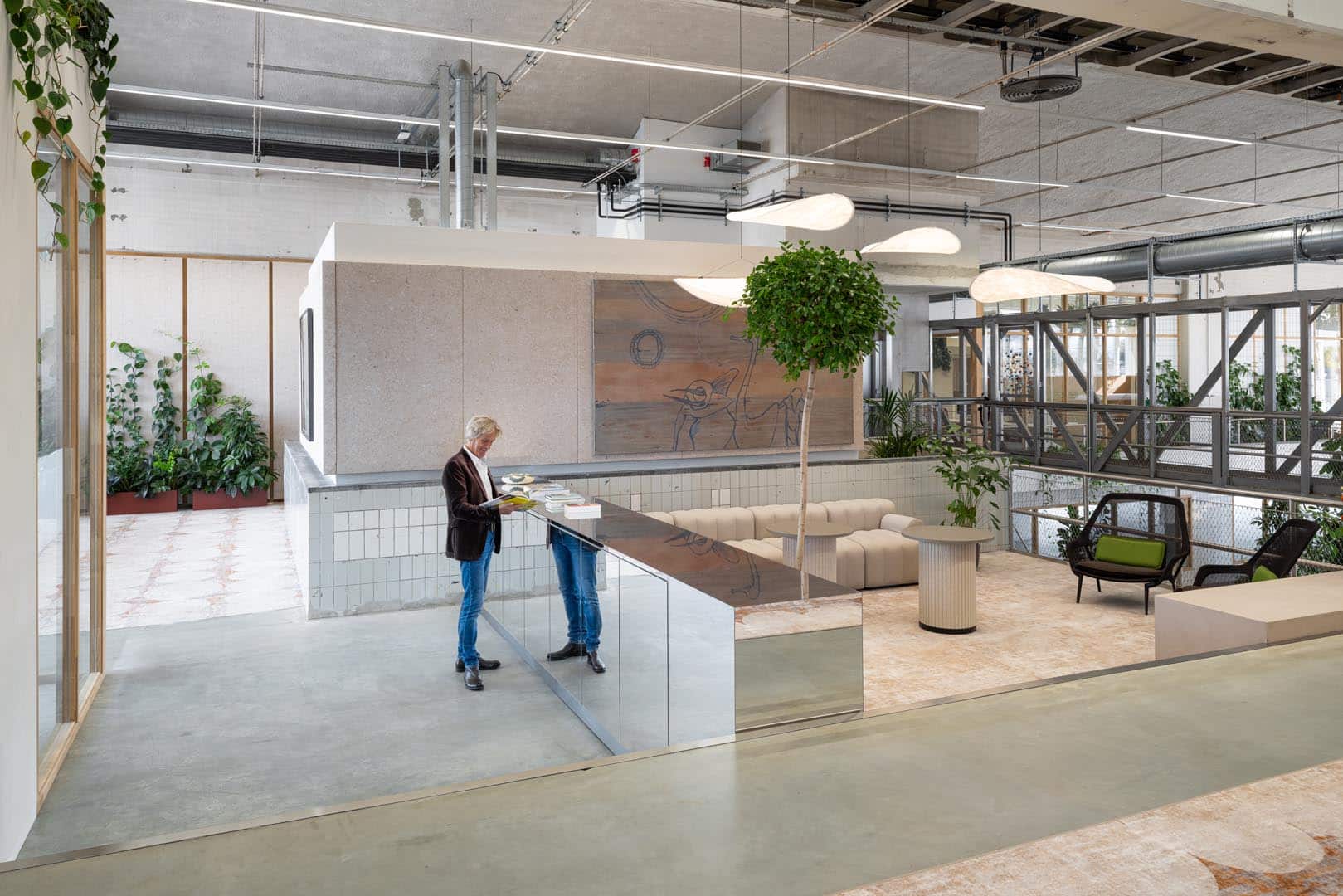
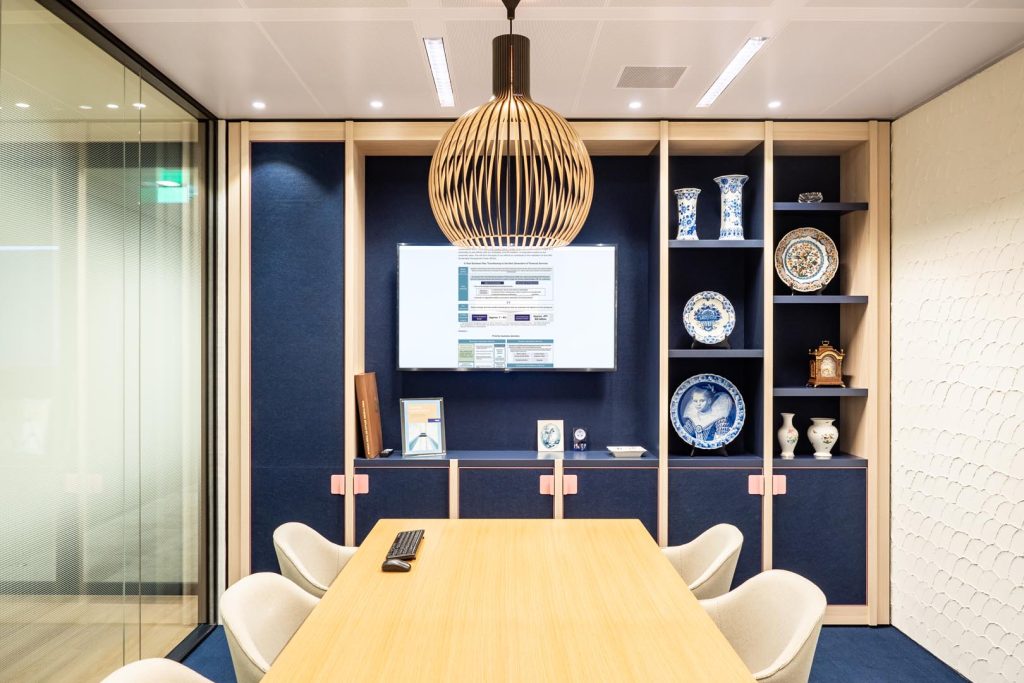
Collaboration requires space. A place where you can consult, test ideas, or quickly coordinate something without disturbing the rest of the office. For example, meeting rooms, informal consultation areas, or high tables for short team updates. Not every conversation is a meeting, and not every meeting needs a large room. These zones keep collaboration in the right place.
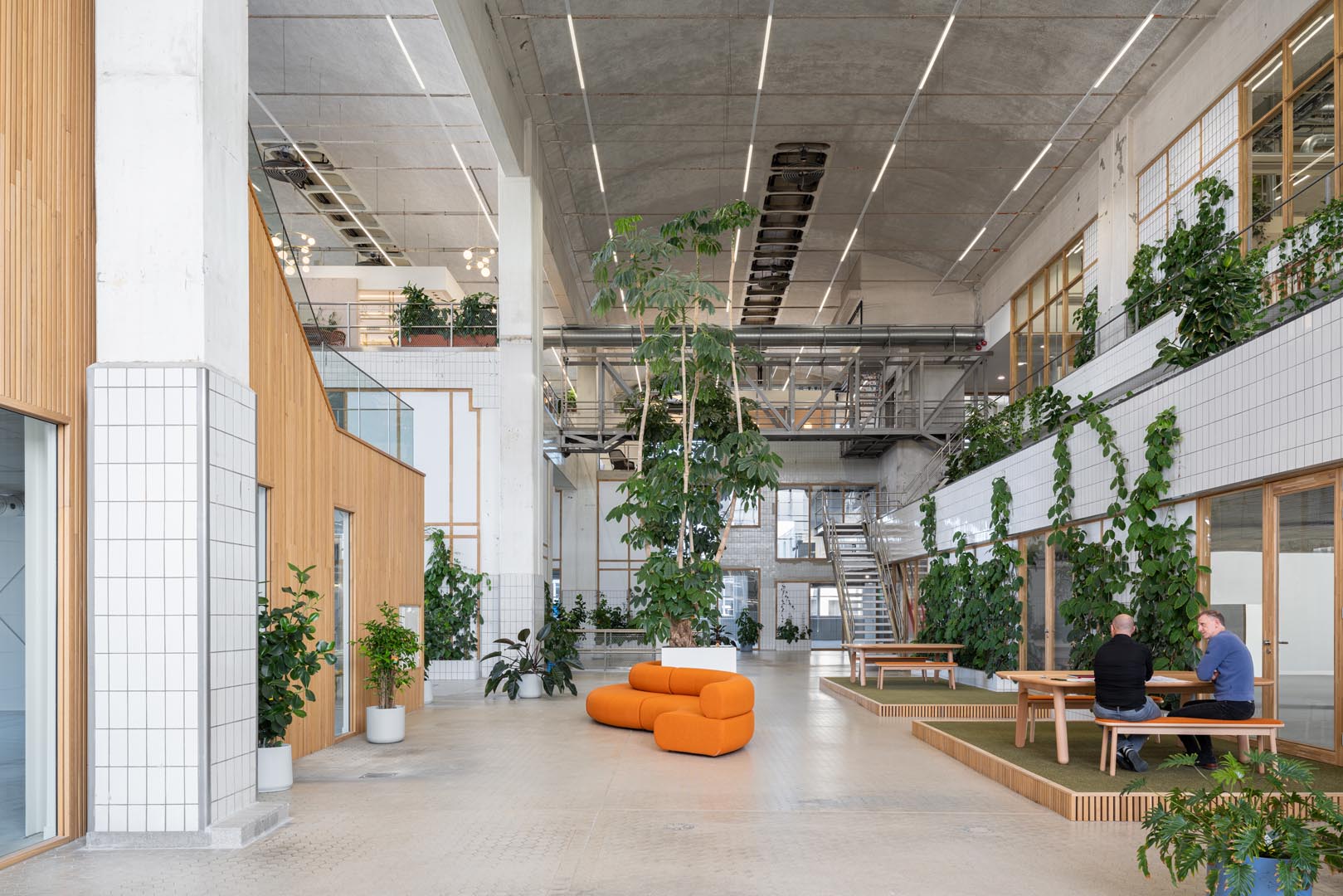
4. Creative zones
For brainstorms, project work, and new ideas, there are creative zones. These are places where things can be a bit more relaxed: flexible furniture, room to move and experiment. In a thoughtful creative office design, innovation literally gets the space it needs. By giving creative work its own zone, you stimulate new ideas without breaking the peace elsewhere in the office.
Step 3: ergonomics and comfort as a foundation
Ergonomics doesn’t have to be complicated. It’s mainly about one thing: making your workplace work with your body. An ergonomic office design ensures that people can work comfortably without it costing unnecessary energy. And you can feel that. In your back, your shoulders, and your concentration.
Ergonomic furniture as a foundation
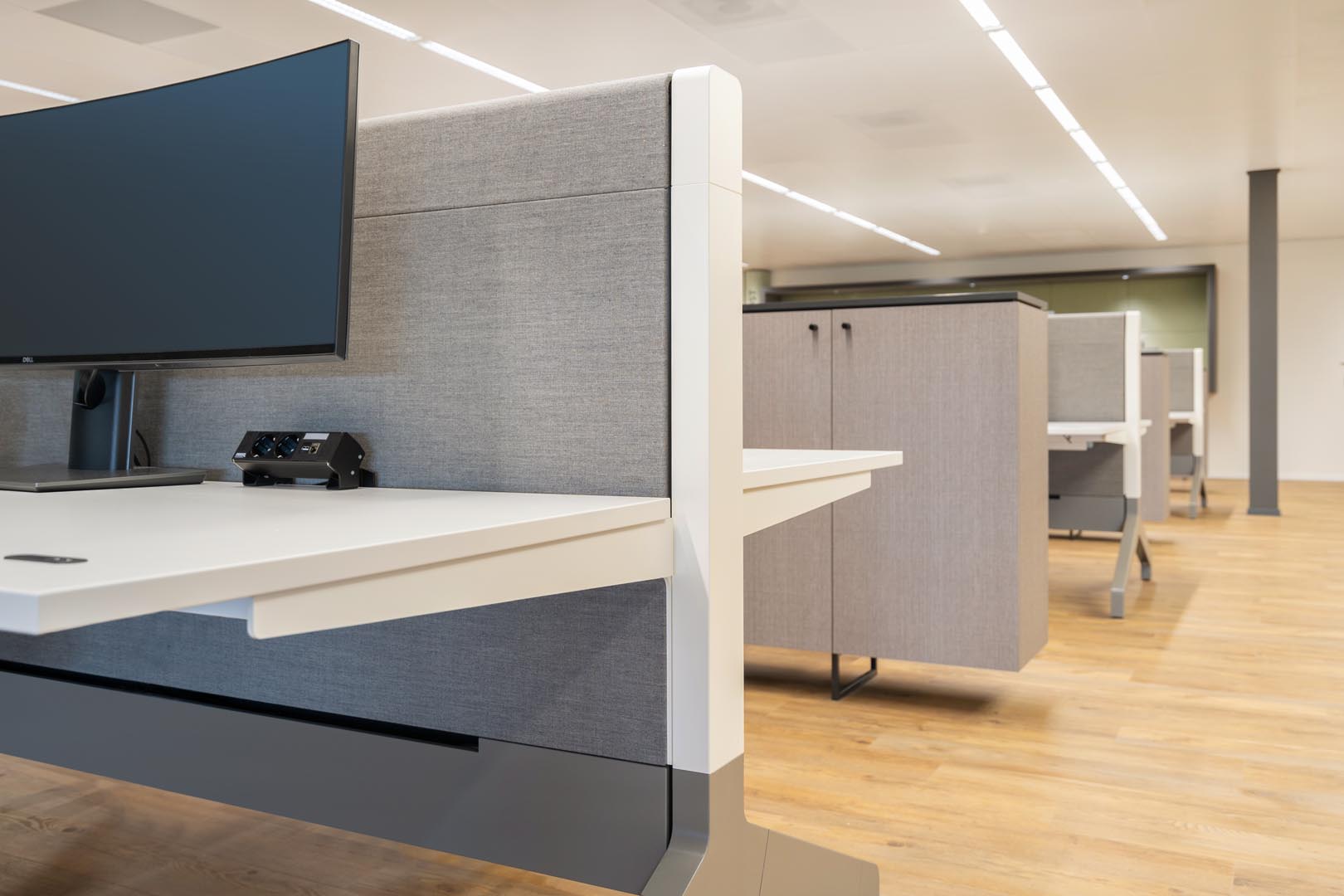
A comfortable workplace starts with adjustable office furniture. An ergonomic office chair that provides good support and a desk at the correct height already make a world of difference. A sit-stand desk helps to alternate throughout the day. Not to stand constantly, but to allow for movement. Because variety is always better than a single posture, no matter how “correct” it may seem.
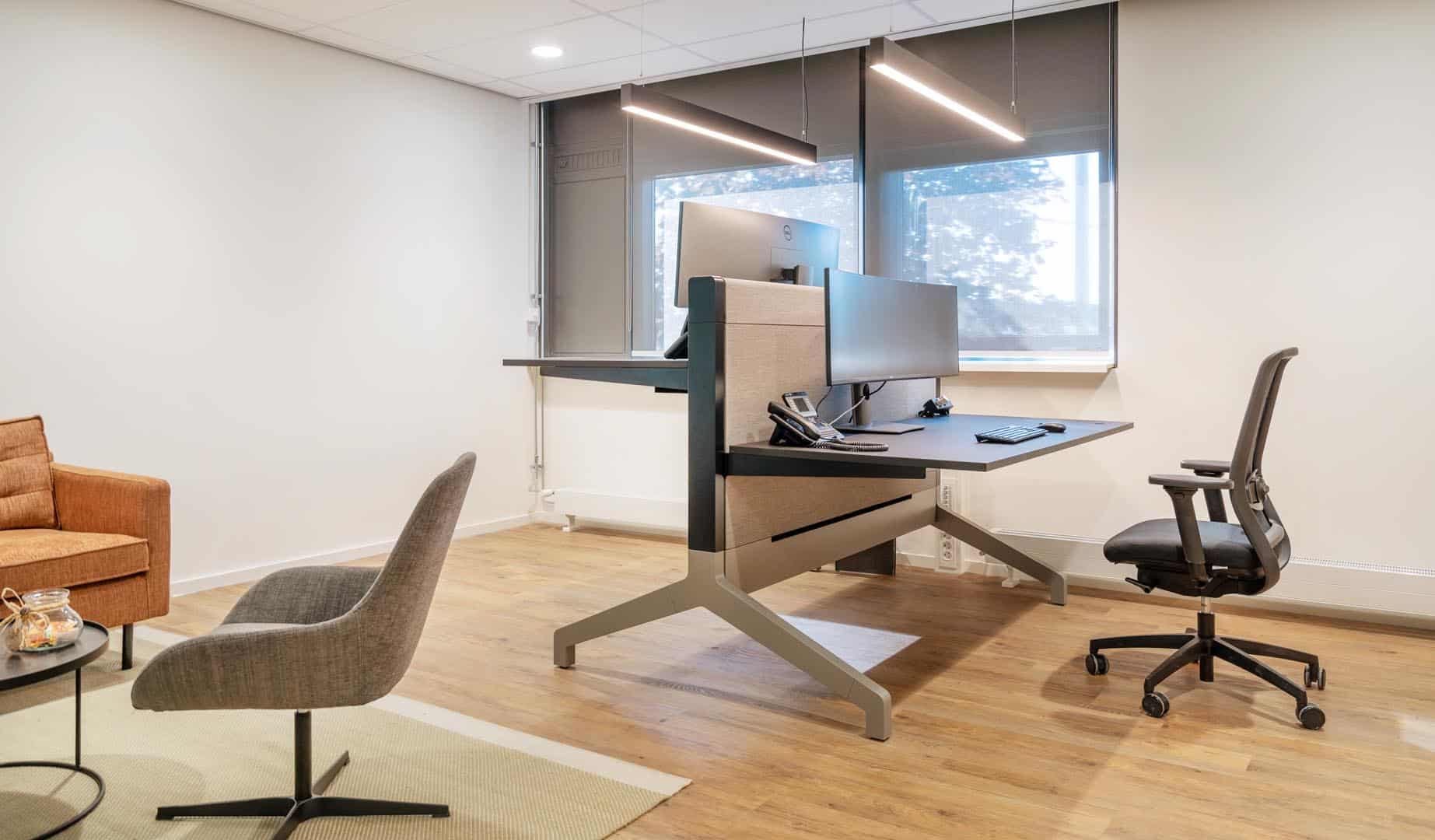
Tips for ergonomic working
- Choose sit-stand desks so that employees can easily alternate between sitting and standing work.
- Provide ergonomic office chairs with adjustable seat height, backrest, and armrests for optimal support.
- Integrate monitor arms to flexibly set screens at the correct height and distance.
- Stimulate movement with high consultation tables or stand-up zones for short meetings.
- Encourage variety: stand up, take a walk during a call, or have a standing consultation. Small movements count.
Ergonomics is not about sitting perfectly, but about reducing strain and increasing support throughout the workday.
More practical tips can be found in “Ergonomic working at the office: 6 tips.”
Do you (also) work from home? Then ergonomics remains just as important
What counts at the office counts just as much at home. And perhaps it is even more easily forgotten there.
At the kitchen table or in a temporary workspace, bad habits creep in more easily. That is exactly why it is important to also consciously consider comfort, support, and movement at home.
Step 4: making comfort tangible with light and acoustics
The influence of light and acoustics in the office is often underestimated. Yet lighting and acoustics have a huge impact on how people feel and perform at the office.
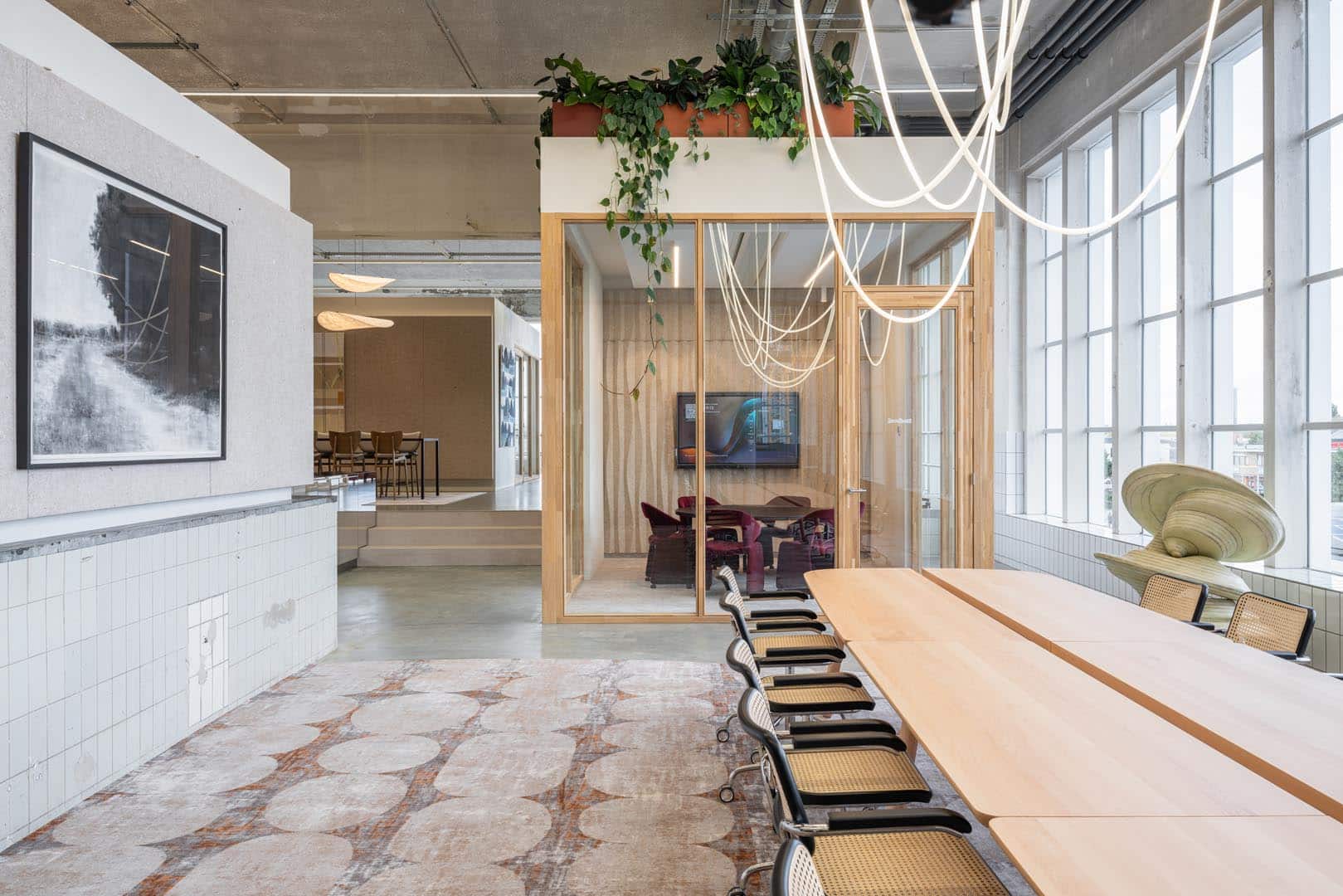
Lighting
Daylight is always the best foundation. It helps people stay sharp and alert. Combine natural light with a thoughtful lighting plan, tailored to the space. Bright office lighting for focus work, softer light for consultation or relaxation.
More tips can be found in “How to ensure perfect office lighting.”
Acoustics
Acoustics are often underestimated, especially in open offices. Too much background noise disrupts focus and increases stress. With smart sound-absorbing solutions such as panels, carpets, or ceiling elements, you bring peace without closing off the office.
In our blog “5 silent steps to better acoustics in the workplace,” we delve deeper into this.
Step 5: setting the right atmosphere
Colors, materials, and finishes determine whether you find peace, gain energy, or get distracted. The art? Creating an atmosphere that supports without being conspicuous.
Read also: how do you achieve an office that truly fits your organization?
Colors in the office
Colors guide behavior, often without you realizing it. Soft tones bring peace and focus, while warm highlights add some life to the space. Well-chosen colors help people work better without demanding attention.
Corporate identity and branding
Your corporate identity doesn’t have to shout everywhere. On the contrary. With subtle color accents or materials, you show who you are without it becoming busy. Recognizable, but never tiring.
Materials and finishing
Material choice also plays an important role. Soft materials bring peace, while robust finishes ensure durability. By cleverly combining materials, you create a professional look that remains warm and inviting at the same time.
Step 6: greenery in the office
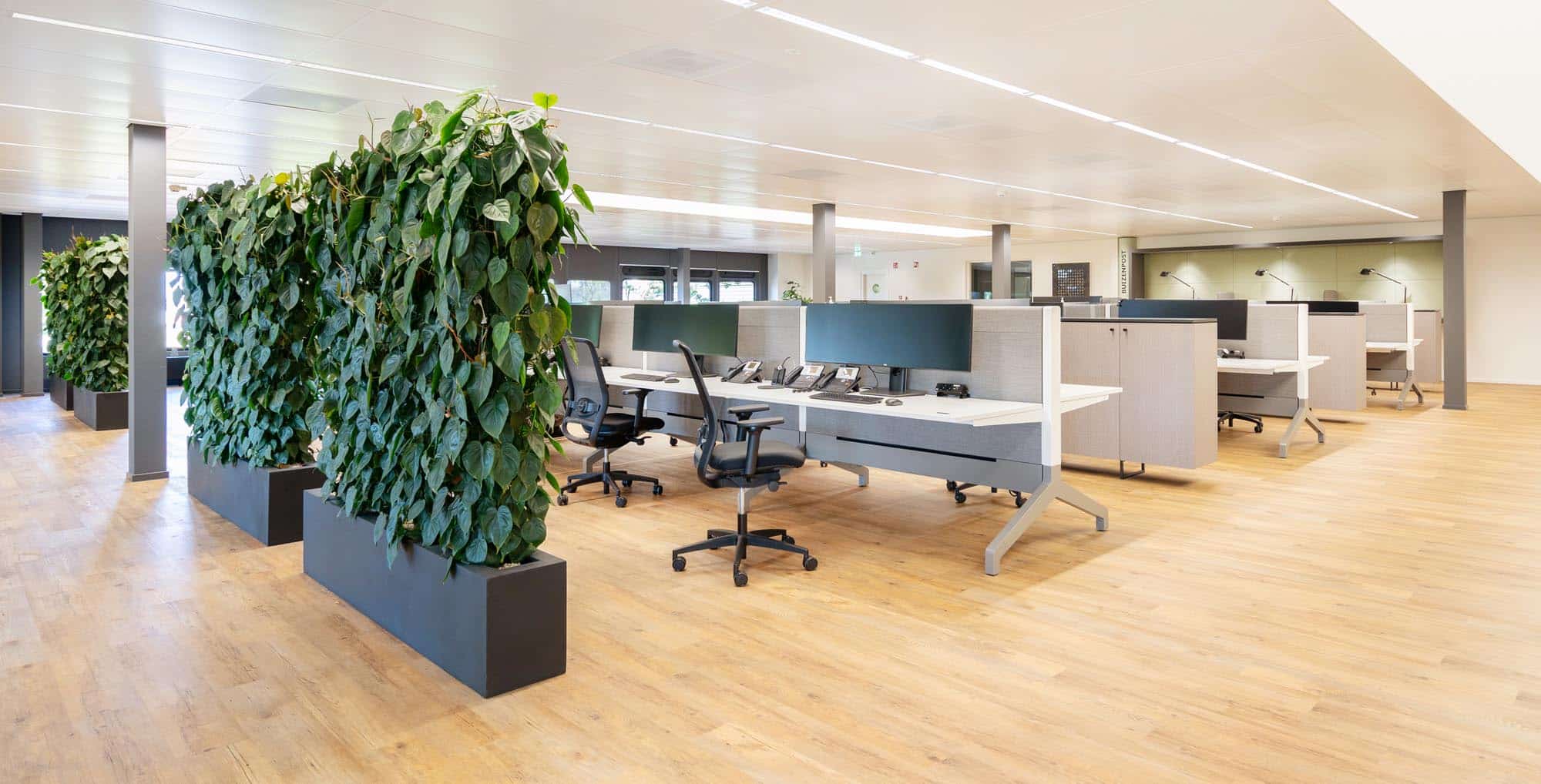
Plants in the office do more than just brighten up the space. They bring peace, make a workplace softer, and ensure a more pleasant atmosphere. A bit of greenery in the office helps to reduce stress and makes it easier to feel good during the workday.
You don’t have to go big. A few well-chosen plants in the right place are often enough. Subtle, but tangible. And that is exactly what makes the difference.
Want to know more? Read “plants have a proven positive influence” and discover what greenery can concretely mean for your workplace.
Step 7: sustainable and future-proof design
Sustainable design doesn’t have to be complicated. It starts with conscious choices that last a long time. A sustainable office design looks beyond today and avoids solutions that you will have to replace again within a few years.
Circular design means being smart with what is already there. Reusing where possible, thinking modularly, and choosing materials and furniture that are adaptable to change. This way, your office grows with your organization without having to start from scratch every time. And no, that doesn’t have to be a budget killer. With thoughtful choices, your budget remains under control without sacrificing quality or comfort. Less disposable, more long-term value. That is truly future-proof.
Sustainable working? It’s ingrained in us
Sustainability is not a separate project for us, but a way of working. We consciously choose circular solutions, high-quality materials, and partnerships that look beyond today.
5 tips to design your office in a fun and smart way
1. Work with sightlines, not just walls
Ensure that people can maintain visual contact without disturbing each other. Glass, half-height cabinets, or plants work better than complete enclosure. This keeps the space open but not restless.
2. Provide power where work is done
Nothing is as disruptive as a place that is “well-conceived” but has no power. Think ahead about charging, docking, and cable management, including in lounge and consultation areas.
3. Dare to cut
Many offices drag along functions that are no longer used: archives that are too large, oversized meeting rooms, empty corners. Dare to cut. Giving space back is liberating.
4. Think in zones, not in square meters
Not every spot needs to do the same thing. By creating clear zones for focus, consultation, and relaxation, your office gains more structure without having to become larger.
5. Test first, decide later
Big changes? Try them out first. A temporary setup, a pilot zone, or a new layout for one team quickly provides insight into what works. What feels good can then be implemented structurally.
Inspiration for your office design
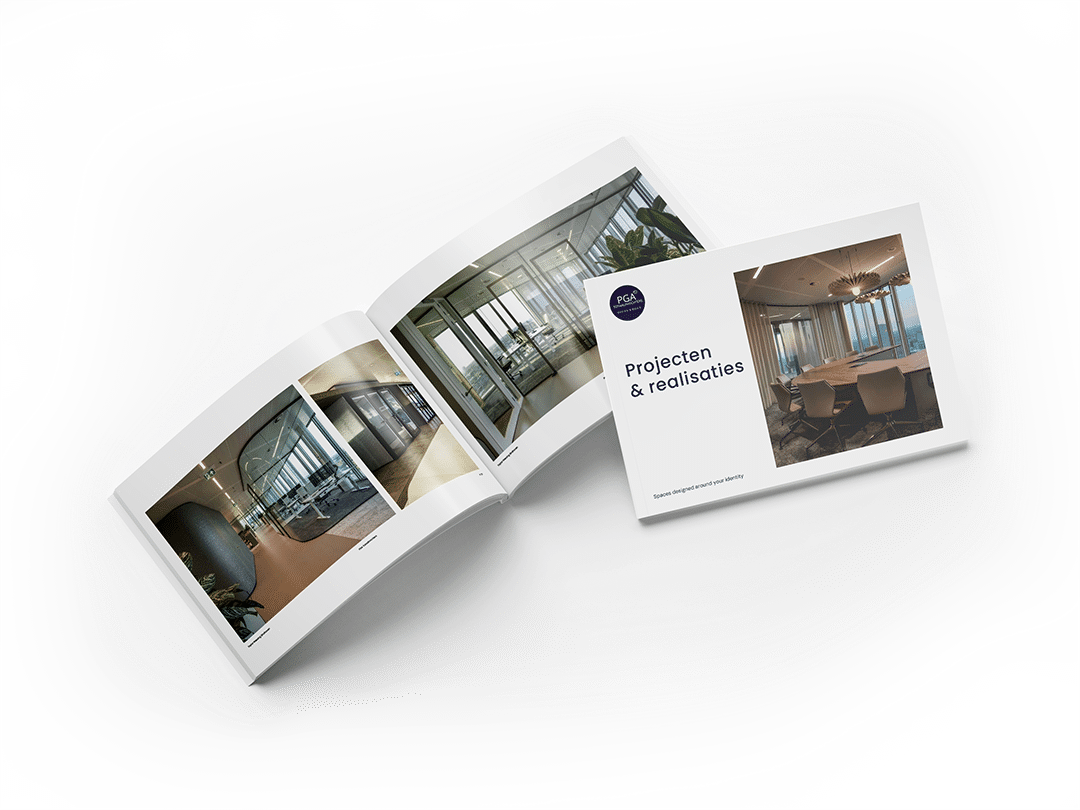
Want to gain inspiration for office design? Browse through our inspiration book and discover ideas, styles, and trends that help you shape your own office.
Frequently asked questions about office design
How can I organize my office layout?
Start with how work is performed: focus, consultation, creative work, and breaks. Map these functions onto a floor plan first and draw walking routes (coffee, printer, meeting areas). If the flow is right, the rest will fall into place more easily.
How can I create an atmospheric office design?
Keep the base calm and work with warm highlights. Consider softer materials, good lighting, and some greenery. Atmosphere isn’t about “more stuff,” but about smart choices that make the space more pleasant to work in.
What are the 5 basic rules for healthy ergonomic working?
- Adjust your chair correctly (support, height, armrests)
- Ensure your desk is at the correct height
- Position your screen at eye level
- Use a separate mouse and keyboard if working on a laptop for long periods
- Change posture regularly: stand up, move, take short breaks
How do you make your office attractive?
Ensure it works for your employees: a logical layout, sufficient focus areas, pleasant acoustics, and comfort. An attractive office doesn’t feel “forced”; it simply feels pleasant. And yes: a strong reception area also helps with that first impression.
What is the 90-90-90 rule for ergonomics?
It is a quick check for your sitting posture: hips, knees, and elbows at approximately a 90-degree angle. Feet on the floor, shoulders relaxed, screen at eye level. It’s not a perfect science, but a useful guideline to prevent complaints.
How can I design a small office?
Designing a small office primarily requires smart choices. Start by combining functions: a meeting table can also be a project space, and a high table can serve for both consultation and individual work. Choose compact and multifunctional furniture that is easy to move.
Place workstations along the walls as much as possible and keep the center clear for movement. Use vertical space for storage instead of extra cabinets on the floor. And avoid loose furniture without a clear function: every square meter must contribute something.
Need help with your office design?
You don’t have to design an office alone. Sometimes it helps to sharpen choices together.
We don’t start from standard solutions, but from your way of working. What is going well? What could be better? Where do you want to go? This way, we arrive at a design that truly works for your people and your future.
Feel like talking about it? We are happy to listen and think along with you. This can be at your office, in our Concept Place, or simply digitally.
Stay informed
- Trends, expertise, news, and tips.
- Make your workplace more productive, where every employee enjoys coming to work.
- Topics: corporate wellbeing, office furniture, and sustainability in the office.