
The impact of a workplace on happiness at work
Category
Share on:
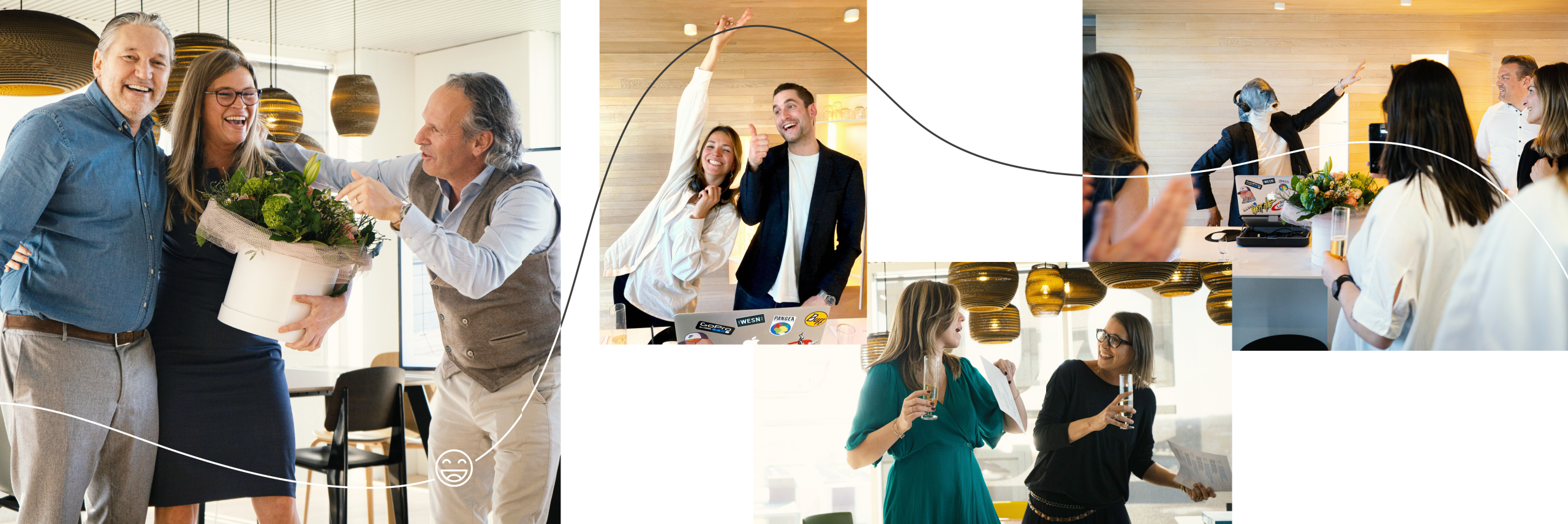
Today marks the start of the Week of Happiness at Work. We all know that happy employees are the foundation of a healthy organization, but is there such a thing as a ready-made formula to improve happiness at work? And does the workplace also have an impact on the feeling of happiness? The answer to both questions is yes.
“The ABC of happiness at work is a very robust theory,” says Kathleen Vangronsvelt, Professor of Organizational Behavior & HRM at the Antwerp Management School. “The A stands for autonomy: allow your employees sufficient freedom to make their own decisions and show that you trust them,” she explains.
“The B refers to belonging: both with colleagues and with the organization. The C for competence speaks for itself. Give your people the opportunity to utilize and develop their skills. And appreciate them for doing so,” continues Kathleen, whose area of expertise focuses on the realization of human potential in a work context.
“If you fulfill those three primary conditions, the chance is greatest that your employees will also feel fulfilled,” she concludes. Nathalie Fobelets, HR Manager at Buro Project, completely agrees. “As an employer, you can also perfectly align the workplace with those building blocks,” she believes.
Spatial autonomy
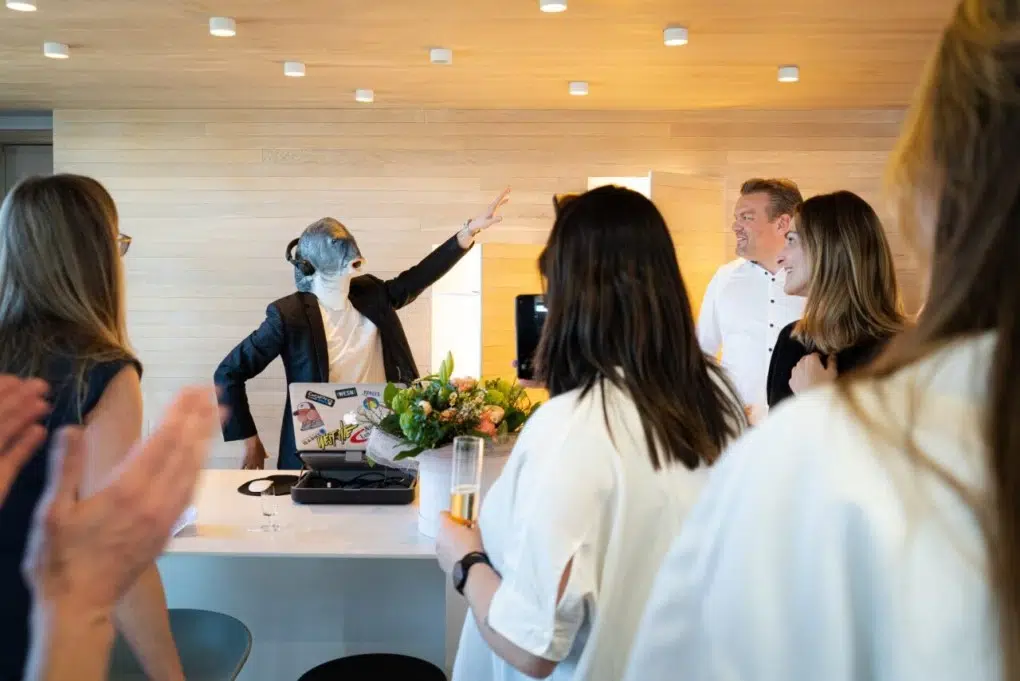
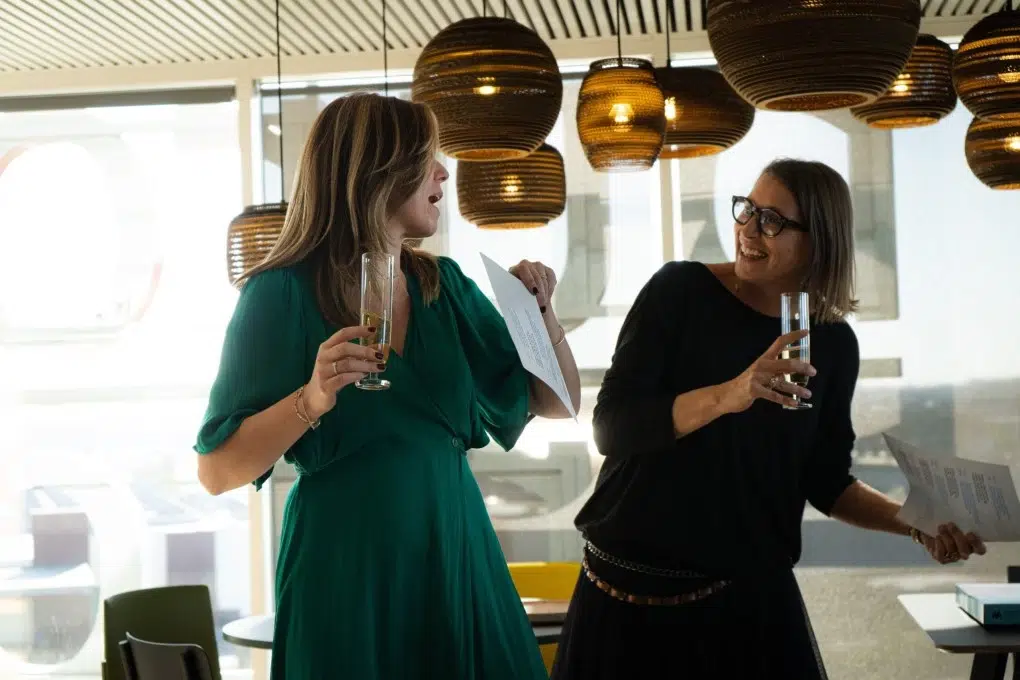
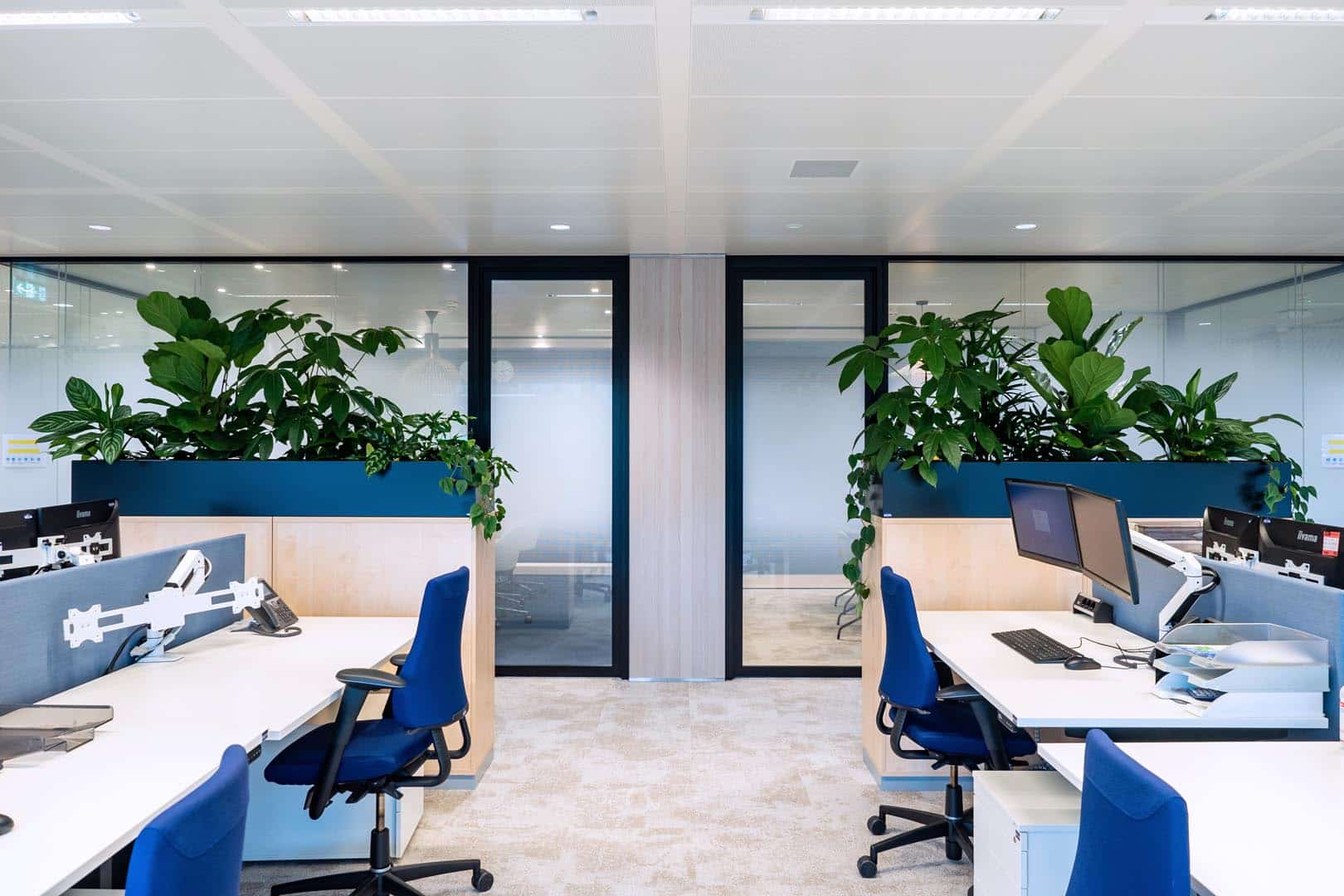
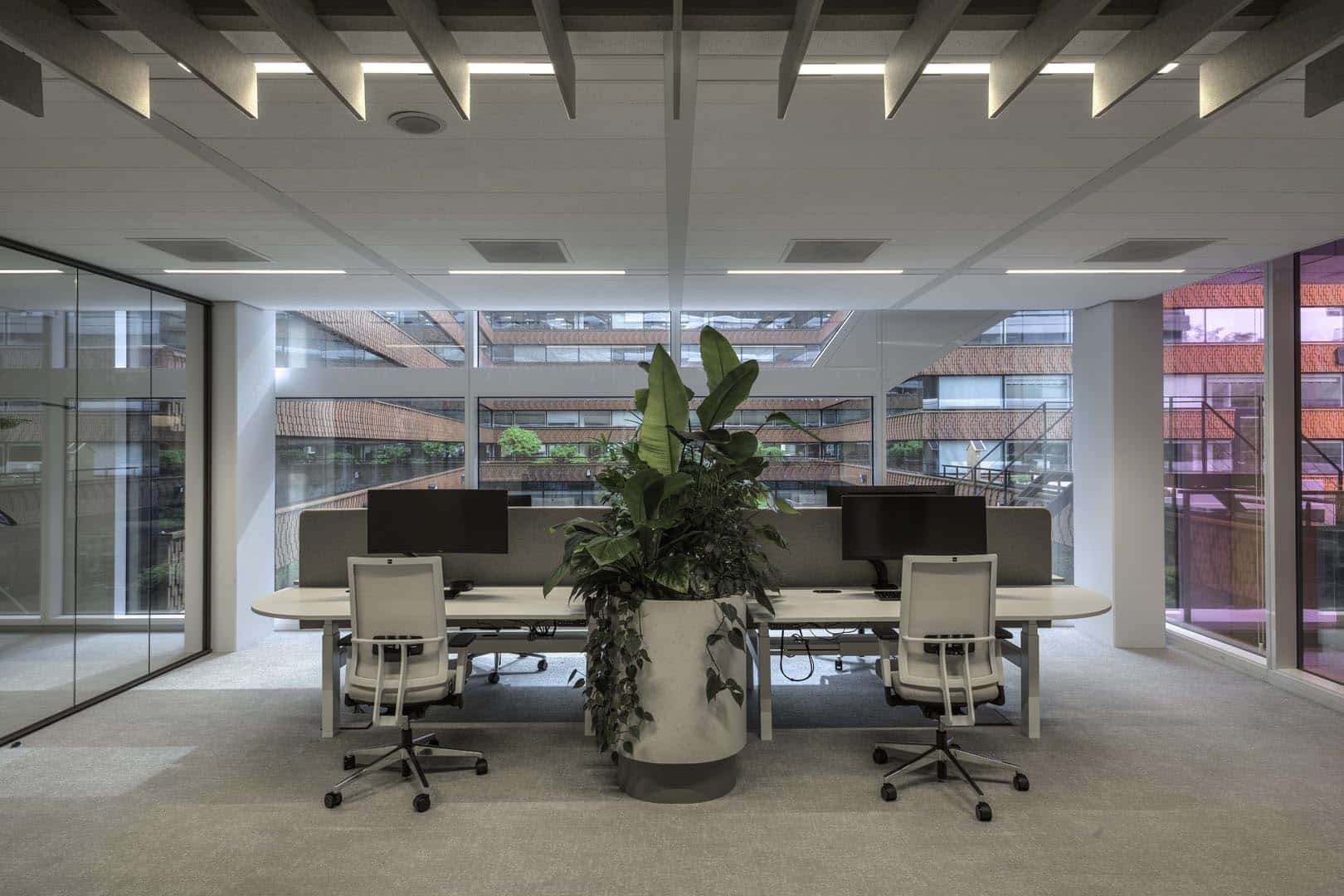
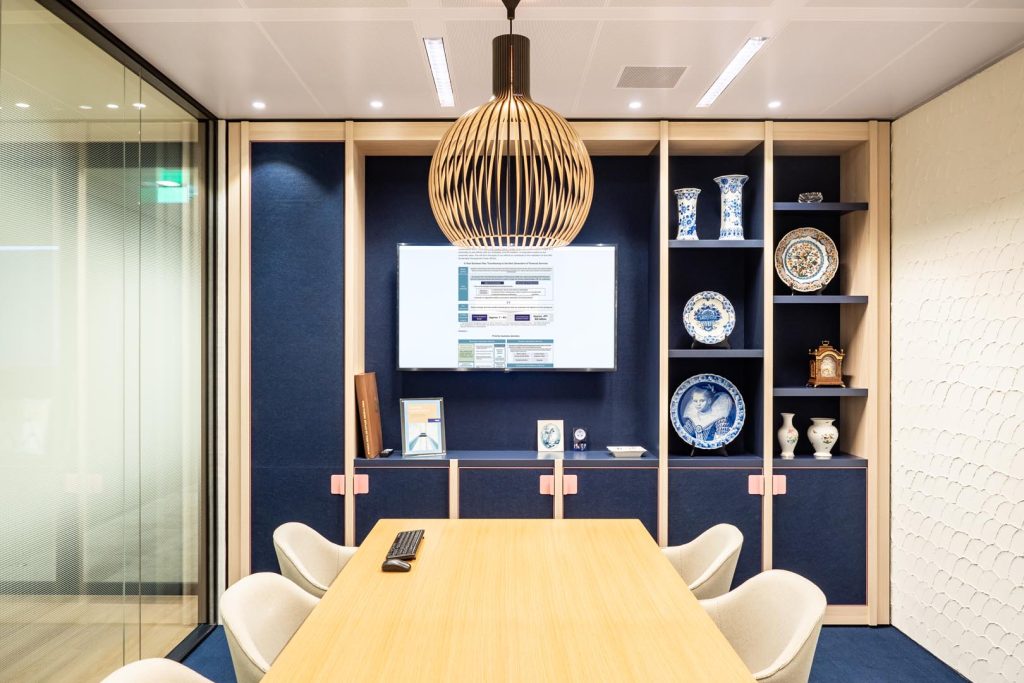
How exactly do you stimulate spatial autonomy in the office? “Listen to the needs of your team, map out every form of work, and ensure that a space is available for everything,” says Nathalie. “In the office of the Bruggeman distillery in Ghent, for example, we provided flexible workspaces as well as separate desks and meeting rooms.”
According to Kathleen, autonomy is also about “not forcing people to come to the office every day.” But when they are there, they must indeed be able to choose a space that suits the type of work they are doing.
Boosting engagement
Engagement can also be taken into account when developing a new office concept. You can create smart flows throughout the space. “When people walk through a place where others are taking a break after a meeting, you make interaction possible at the right moment,” says Kathleen.
Nathalie adds: “We always provide layouts and furniture that invite employees to approach each other in an informal way. This can range from cozy seating areas by the coffee machine to multifunctional spaces where different teams and colleagues meet.” The living room in Argenta’s new headquarters is a great example of this: both management and employees regularly work together there in a cozy setting.
Good equipment is key
“When you provide your staff with a well-equipped workplace full of quality materials, you make the development of competencies much easier,” says Kathleen. At Buro Project, we therefore listen extensively to the client at the start of every project. Nathalie: “This is how we determine what is needed to stimulate the personal development of the employees. Based on that, we create a unique proposal.”
This approach can be a real eye-opener, as it was for the colleagues at rubber producer Gates Industrial Europe, who, after an inspiring visit to Buro Project’s Concept Place, chose a cool new interior tailored to everyone’s needs. Improving happiness at work with a smart office concept: it is possible! So what are you waiting for?
With thanks to B-Tonic, a subsidiary of Baloise Insurance, which co-facilitates the research ‘Impact COVID19 in organizations’ by Prof. Dr. Kathleen Vangronsvelt.

Stay informed
- Trends, expertise, news, and tips.
- Make your workplace more productive, where every employee enjoys coming to work.
- Topics: corporate wellbeing, office furniture, and sustainability in the office.